Who Determines Fault in an Accident: Key Facts
After a car crash, one of the first questions that comes to mind is who determines fault in an accident. The answer is not always straightforward, because multiple parties can play a role in assigning blame. Understanding this process is essential for protecting your rights and securing fair compensation. This article breaks down the key decision-makers, the evidence they use, and what you can do to strengthen your position.
How Insurance Companies Decide Fault
Insurance adjusters are often the first to evaluate fault after a collision. They review police reports, photographs, witness statements, and damage patterns to determine which driver was negligent. Each state follows a specific rule: some use comparative fault (where each party shares blame), while others follow contributory negligence (where any fault can bar recovery). The adjuster applies these rules to assign a percentage of fault to each driver.
For example, if you were rear-ended, the adjuster will likely find the other driver 100% at fault. But if you were speeding and another driver ran a red light, the adjuster might split fault 50/50. This percentage directly affects your settlement amount. In our guide on how long insurance takes to settle an accident claim, we explain how these fault determinations influence the timeline and outcome of your case.
The Role of Law Enforcement in Fault Determination
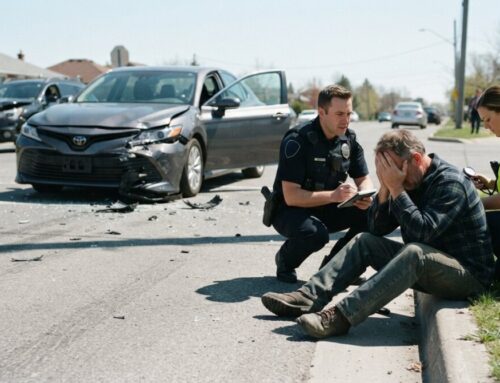
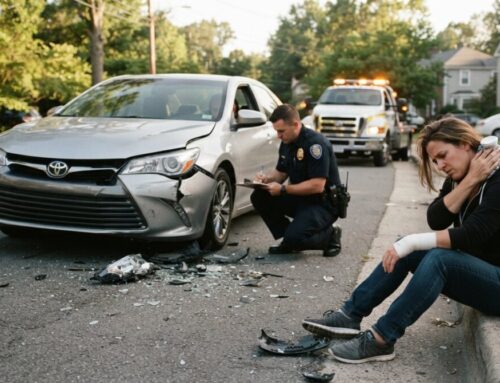
Police officers who respond to the scene do not officially decide fault for insurance purposes, but their report carries significant weight. The officer notes traffic violations, road conditions, and statements from both drivers and witnesses. They may cite one driver for a violation such as running a stop sign or driving under the influence. While this citation is not a final legal determination of fault, insurance companies and courts treat it as strong evidence.
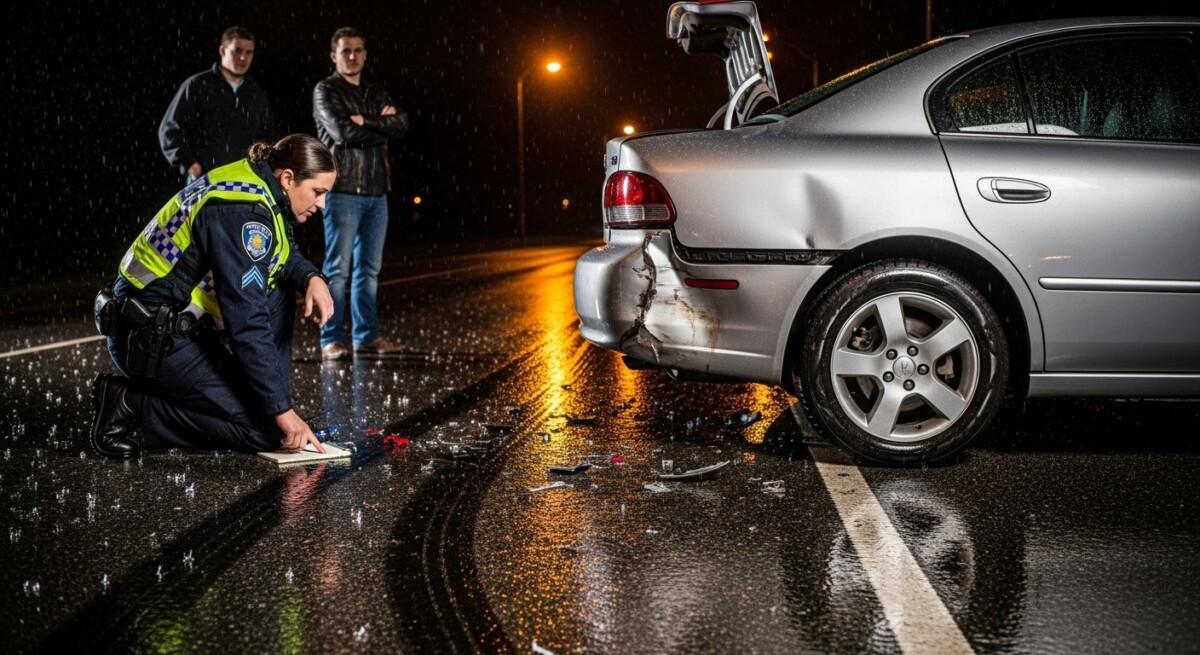
If the officer does not witness the crash, they rely on physical evidence and witness accounts. Drivers should always cooperate with law enforcement and provide accurate information. A poorly written police report can hurt your claim, so it is wise to take your own photos and notes at the scene.
When Lawyers and Courts Step In
If the insurance company disputes fault or offers an unfair settlement, a car accident lawyer can step in to challenge their determination. Attorneys gather additional evidence, hire accident reconstruction experts, and negotiate aggressively. If negotiations fail, the case may go to court, where a judge or jury makes the final decision on fault. This is rare for minor accidents but common in serious injury cases involving significant damages.
Hiring an attorney can level the playing field, especially when the other driver’s insurance company tries to shift blame to you. Many lawyers work on a contingency fee basis, meaning you pay nothing upfront. To understand how this works, see our explanation of how a car accident lawyer contingency fee works for you.
Evidence That Influences Fault Decisions
Fault is not determined by guesswork. It is based on concrete evidence that reconstructs the events leading up to the crash. The most critical pieces of evidence include:
- Police reports with officer observations and citations
- Photographs and videos from the scene showing vehicle positions, skid marks, and traffic signals
- Witness statements from bystanders or passengers
- Data from the vehicle’s event data recorder (black box) or smartphone GPS
- Medical records that link injuries to the collision
Each piece of evidence helps build a clear timeline. For example, a black box can reveal your speed and braking patterns seconds before impact. If the data shows you were obeying the speed limit and braked properly, it strengthens your case. If it shows you were distracted or speeding, it can hurt you. Always preserve evidence immediately after an accident, before it gets lost or overwritten.
State Laws That Affect Fault Determination
At-Fault vs. No-Fault States
In at-fault states (also called tort states), the driver who caused the crash is responsible for damages. Their insurance pays for your medical bills and vehicle repairs. In no-fault states, each driver’s own insurance covers their injuries regardless of fault, though property damage claims still follow fault rules. Knowing which type your state uses is crucial because it determines how you file a claim and who pays.
Comparative vs. Contributory Negligence
Even within at-fault states, the rules vary. Pure comparative negligence allows you to recover damages even if you are 99% at fault, though your award is reduced by your percentage of fault. Modified comparative negligence sets a threshold (usually 50% or 51%) above which you cannot recover. Contributory negligence, used in a few states like Alabama and Virginia, bars recovery if you are even 1% at fault. This makes fault determination extremely high-stakes in those jurisdictions.
Common Scenarios and How Fault Is Assigned
Fault determination often follows patterns based on the type of collision. Here are a few examples:
- Rear-end collisions: The rear driver is almost always at fault for following too closely or failing to brake in time. Exceptions exist if the lead driver reversed suddenly or had broken taillights.
- Left-turn accidents: The driver turning left is typically at fault because they must yield to oncoming traffic. However, if the oncoming driver ran a red light, fault may shift.
- Intersection collisions without signals: The driver who failed to yield at a stop sign or uncontrolled intersection is usually at fault.
- Multi-vehicle pileups: Fault can be shared among several drivers, and each driver’s insurance company may argue over percentages.
These scenarios show why evidence is so important. A rear driver might claim the lead driver brake-checked them, but without dashcam footage, it becomes a he-said-she-said situation.
What to Do If You Disagree With the Fault Decision
If the insurance company assigns fault unfairly, you have options. First, gather your own evidence and submit it to the adjuster with a written explanation of why the decision is wrong. Request a supervisor review if the adjuster is unresponsive. If that fails, you can file a complaint with your state’s insurance department or hire an attorney to pursue a formal appeal or lawsuit.
Many people assume the insurance company’s decision is final, but that is not true. You have the right to challenge it, especially if the evidence supports your version of events. An experienced lawyer can also handle negotiations on your behalf, which often leads to a better outcome. For more details on the financial side of legal representation, read about how an accident lawyer contingency basis works for you.
Frequently Asked Questions
Does the police officer decide who is at fault?
No, the officer does not officially decide fault. They write a report that insurance companies and courts use as evidence. The officer can issue a citation, which strongly suggests fault, but the final determination is made by the insurance adjuster or a judge.
Can I be found partially at fault even if the other driver caused the accident?
Yes. In many states, fault can be shared. For example, if you were speeding and the other driver ran a red light, you might be assigned 20% fault for contributing to the severity of the crash. Your compensation would be reduced by that percentage.
What happens if both drivers deny fault?
The insurance companies will investigate using police reports, witness statements, and physical evidence. If they cannot agree, the case may go to arbitration or court. A neutral third party or judge will then decide based on the evidence.
How long does it take to determine fault after an accident?
It varies. Simple cases with clear evidence may be resolved in a few days or weeks. Complex cases involving multiple vehicles or disputed facts can take months. The insurance company must complete its investigation before making a final decision.
Understanding who determines fault in an accident empowers you to take the right steps after a crash. From the insurance adjuster’s initial review to a courtroom verdict, the process relies on evidence and state laws. Protect yourself by documenting the scene, seeking legal advice when needed, and knowing your rights. If you are dealing with a disputed fault determination, contact a qualified attorney to help you navigate the system and pursue the compensation you deserve.