Who Investigates Car Accident Claims and How It Works
After a car accident, many victims assume that law enforcement or their insurance company will handle everything. But when it comes to determining fault, calculating damages, and building a legal case, the question of who investigates car accident claims becomes far more complex. Multiple parties may conduct separate investigations, each with their own goals and methods. Understanding who does what and how these investigations affect your right to compensation can make the difference between a fair settlement and a frustrating denial. This article breaks down the key investigators, their roles, and how you can protect your interests at every stage.
Who Investigates Car Accident Scenes Immediately After a Crash
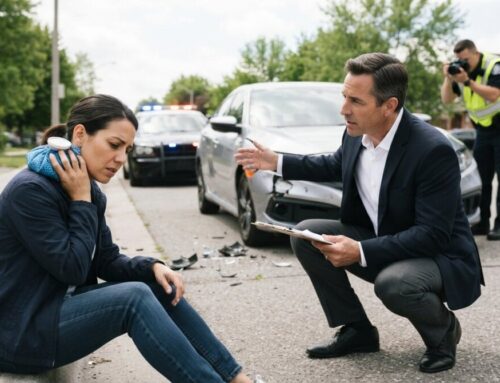
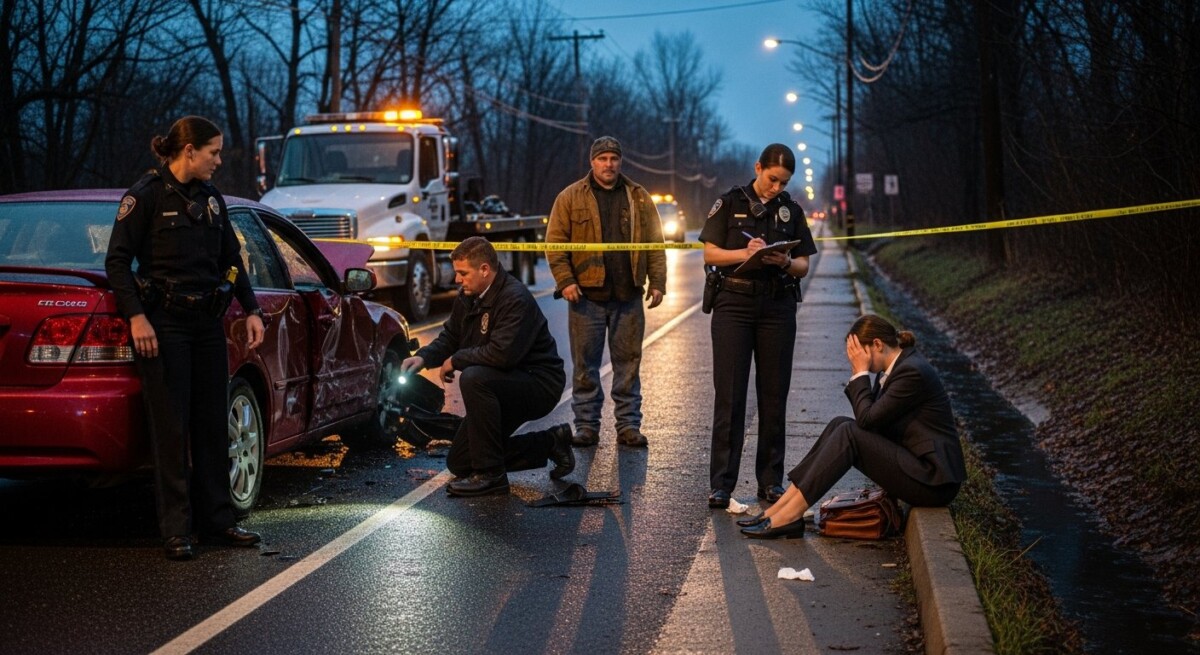
The first investigators on the scene are usually law enforcement officers. Police officers respond to the crash, secure the area, check for injuries, and document what they see. They will interview drivers and witnesses, measure skid marks, note vehicle positions, and record weather and road conditions. This information goes into an official police report, which becomes a critical piece of evidence for insurance adjusters and attorneys.
However, police are not always required to respond to minor fender benders. In many jurisdictions, if no one is injured and vehicles are drivable, officers may not come to the scene at all. In that case, the drivers are expected to exchange information and file a report online or at a local station. This is one reason why it is important to gather your own evidence at the scene, including photos of damage, license plates, and the surrounding area.
Even when police do respond, their primary goal is traffic safety and law enforcement, not determining civil liability. A police officer may cite a driver for a violation, but that does not automatically mean that driver is legally at fault for purposes of an insurance claim or lawsuit. The police report is a tool, not a final verdict. For a deeper look at what happens after the initial report, see our guide on can you claim injury after a car accident key facts to understand your next steps.
Insurance Company Investigations: The Adjuster’s Role
Once a claim is filed, insurance companies send adjusters to investigate. These adjusters work for the insurance company, not for you. Their job is to assess liability, verify damages, and determine how much the insurer should pay. They will review the police report, examine vehicle damage, request medical records, and sometimes interview witnesses. They may also use accident reconstruction experts or consult databases of repair costs.
It is essential to understand that insurance adjusters are trained to minimize payouts. They look for ways to shift blame, downplay injuries, or argue that your damages are less severe than claimed. They may ask you to give a recorded statement shortly after the accident. While being cooperative is important, providing a recorded statement without legal advice can harm your case. You have the right to decline a recorded statement or to have your attorney present during any interview.
If you have your own insurance policy, your own insurer will also investigate, but their interests may conflict with yours. For example, if you file a claim under your uninsured motorist coverage, your insurer has a financial incentive to argue that your injuries are not severe or that the other driver was not entirely at fault. This is why independent legal representation is often necessary.
The Difference Between First-Party and Third-Party Investigations
When you file a claim with your own insurance company, that is a first-party claim. The investigator works for your insurer and owes you a duty of good faith, but they also have a duty to their shareholders. When you file a claim against the other driver’s insurance, that is a third-party claim. The adjuster on that side has no duty to you at all and will actively look for reasons to deny or reduce your claim. Understanding this distinction helps you prepare for the level of scrutiny you will face.
Independent Accident Reconstruction Experts
In complex cases, especially those involving serious injuries or disputed liability, both sides may hire independent accident reconstruction experts. These professionals use physics, engineering, and forensic analysis to recreate the crash. They examine vehicle damage patterns, tire marks, impact angles, and data from event data recorders (black boxes) in modern cars. Their findings can provide objective evidence about speed, braking, and the point of impact.
These experts are often used in litigation to support or challenge the conclusions of police and insurance adjusters. For example, if the police report says one driver ran a red light, but the reconstruction expert finds evidence that the light was green, that can shift the entire case. Their testimony can be powerful in court or during settlement negotiations. However, hiring such an expert is expensive and usually not necessary for minor accidents.
Who Investigates Car Accident Claims for Attorneys and Law Firms
When you hire a personal injury attorney, they also conduct their own investigation. Your legal team will gather evidence, interview witnesses, obtain medical records, and hire experts if needed. They will also obtain a copy of the police report and review the insurance adjuster’s findings for errors or bias. Attorneys understand the tactics that adjusters use and can push back against unfair denials.
Your attorney’s investigation is focused on building the strongest case for maximum compensation. They will look for all sources of recovery, including the other driver’s insurance, your own uninsured or underinsured motorist coverage, and potentially other parties such as a municipality if poor road design contributed to the crash. They will also calculate the full extent of your damages, including medical expenses, lost wages, property damage, and pain and suffering. For a detailed breakdown of what you can recover, read our article on can you get compensation after a car accident yes heres how.
The Role of State and Federal Agencies in Special Cases
Some accidents trigger investigations by government agencies beyond local police. If a commercial truck is involved, the Federal Motor Carrier Safety Administration (FMCSA) may investigate. This agency enforces safety regulations for trucking companies, including driver hours of service, vehicle maintenance, and cargo securement. A FMCSA investigation can lead to citations or fines for the trucking company, which can be used as evidence in your civil case.
If the accident involves a defective vehicle part, the National Highway Traffic Safety Administration (NHTSA) may investigate. NHTSA tracks vehicle defects and can issue recalls. Their findings can support a product liability claim against the manufacturer. In accidents involving hazardous materials, the Department of Transportation and the Environmental Protection Agency may also get involved. These agency investigations are separate from your personal injury claim, but their reports can be valuable evidence.
How to Cooperate With Investigations Without Hurting Your Case
You should always cooperate with police and your own insurance company, but you must do so carefully. Here are practical steps to protect your rights while investigations proceed:
- Do not apologize or admit fault at the scene. Statements like I am sorry can be used against you later.
- Limit what you say to the other driver’s insurance adjuster. Give only basic information and refer them to your attorney.
- Keep a journal documenting your injuries, pain levels, and how the accident affects your daily life. This helps your attorney quantify non-economic damages.
- Save all medical records, bills, repair estimates, and correspondence with insurers. Organize them in a file.
- Do not post about the accident on social media. Insurance companies monitor social media for posts that contradict your injury claims.
Following these steps helps ensure that your own investigation yields the evidence needed to support your claim. The more proactive you are, the less room adjusters have to distort the facts.
What Happens When Investigations Conflict
It is common for different investigators to reach different conclusions. The police report may say one thing, the insurance adjuster may say another, and your attorney’s expert may find something else entirely. When investigations conflict, the case often goes to mediation, arbitration, or trial. A judge or jury will weigh the evidence and decide who is at fault and how much compensation is fair.
Conflicting investigations can delay your claim and increase stress. That is why having an attorney who knows how to challenge weak evidence and present strong findings is critical. Your attorney can depose witnesses, cross-examine experts, and present a clear narrative to the jury. Without legal representation, you are left trying to argue against professional adjusters and their experts on your own.
Frequently Asked Questions
Do I have to talk to the other driver’s insurance company?
No, you are not required to speak with the other driver’s insurance adjuster. You can politely decline and refer them to your attorney. If you do speak with them, you are not required to give a recorded statement. Stick to the basic facts and do not speculate about fault or injuries.
Can I investigate the accident myself?
Yes, you can gather evidence at the scene, such as photos, witness contact information, and a police report number. However, professional investigations require expertise in evidence preservation, accident reconstruction, and legal procedure. Relying on your own investigation without legal guidance can lead to mistakes that hurt your case.
What if the police report is wrong?
Police reports are not infallible. If you believe the report contains errors, your attorney can request corrections or present alternative evidence. Witness statements, photos, and expert testimony can contradict an inaccurate report. Do not assume the police report is the final word on fault.
How long does an investigation take?
Simple investigations may take a few weeks. Complex cases involving serious injuries, multiple vehicles, or disputed liability can take months or even longer. Insurance companies may drag out investigations to pressure you into accepting a low settlement. An attorney can help keep the process moving.
Who investigates car accident claims when I hire a lawyer?
Your lawyer will conduct a thorough investigation that includes reviewing all evidence from police, insurers, and experts. They may hire private investigators, accident reconstructionists, and medical experts. Their goal is to build a case that maximizes your recovery and counters any unfair findings from other parties.
Understanding who investigates car accident claims and how each party’s interests differ empowers you to make informed decisions. The moment you are in a crash, the investigation begins. Your actions in the hours and days after the accident can shape the outcome. For those who have suffered injuries, seeking experienced legal help early can level the playing field. If you are wondering about the full scope of damages you can pursue, including pain and suffering, our detailed article on can you claim pain and suffering after a car accident provides the answers you need.
No matter who investigates your accident, your focus should be on recovery and protecting your rights. Insurance companies have teams of professionals working to minimize your claim. You deserve a team that works for you. With the right legal partner, you can ensure that the investigation reveals the full truth and delivers the compensation you need to move forward.