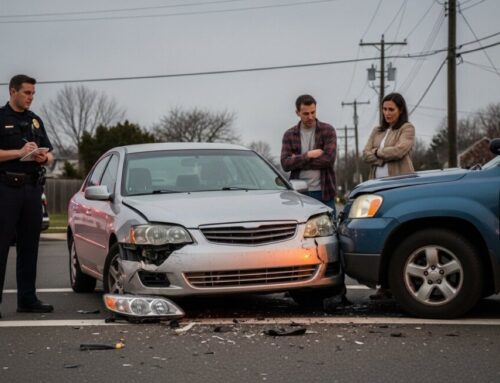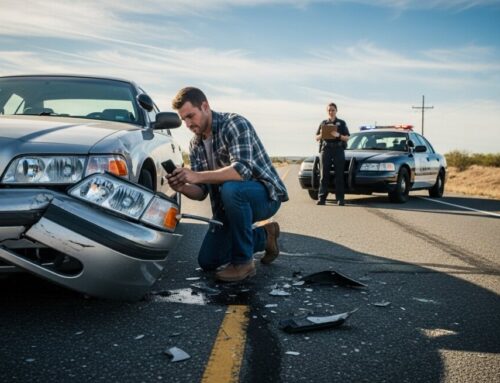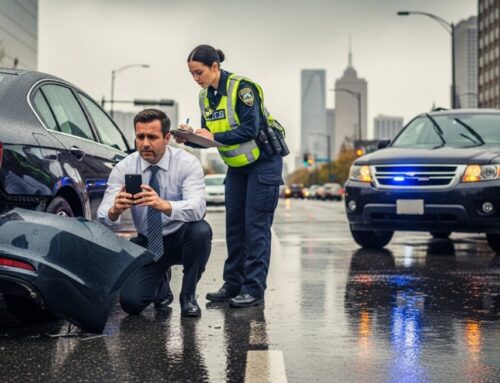
How to Get Accident Police Report: A Step-by-Step Guide
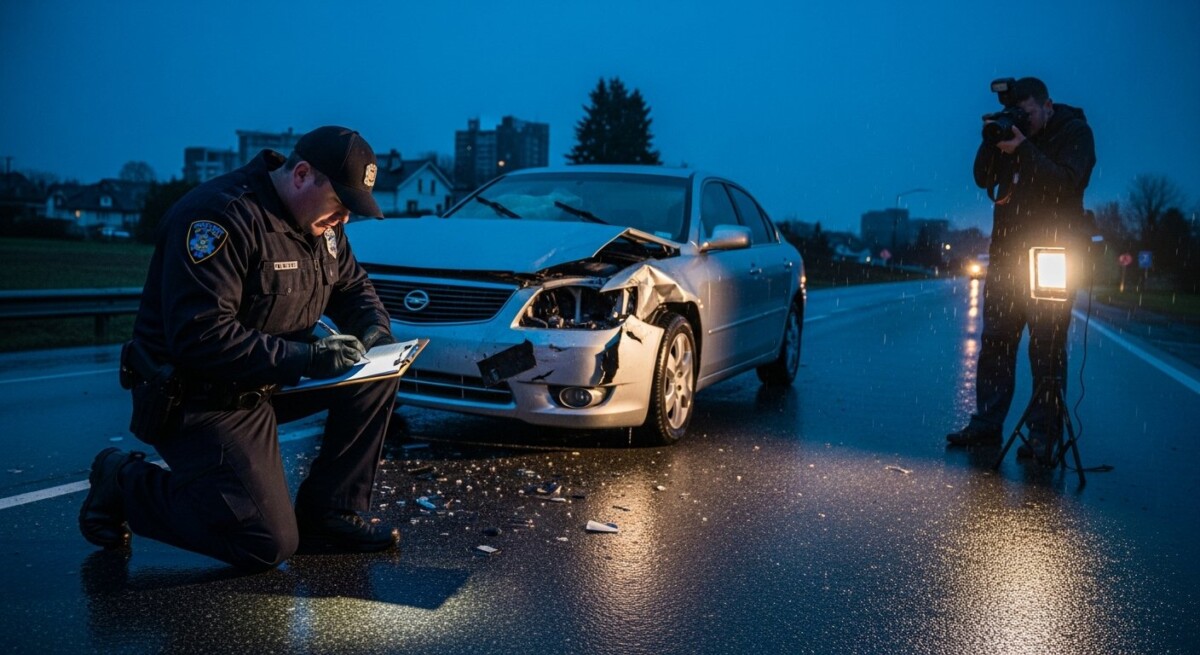
After a car accident, one of the most critical documents you can obtain is the police report. This official record contains details about the crash, including the officer’s observations, witness statements, and sometimes a preliminary determination of fault. Insurance companies, attorneys, and courts rely heavily on this document to resolve claims. Yet many drivers are unsure how to get it, what to do if it contains errors, or how long they have to request it. In this guide, we’ll walk you through the entire process, from the immediate aftermath of a crash to obtaining a certified copy, and explain why this document matters for your recovery.
Why the Police Report Matters After an Accident
When you call law enforcement to the scene of a crash, the responding officer compiles a report based on facts, evidence, and interviews. This report is not just a bureaucratic form; it serves as a neutral, third-party record of what happened. Insurance adjusters use it to evaluate liability, and attorneys use it to build a case. Without it, you may face a ‘he said, she said’ situation, which can delay your claim or reduce your settlement.
The report often includes a diagram of the collision, weather conditions, road surface, and any citations issued. It may also note whether either driver appeared impaired or violated traffic laws. If the other driver is at fault, the report can be the key to proving it. Even if the report is not admissible in court, it can guide settlement negotiations and help you avoid a lengthy legal battle.
Step 1: Confirm That a Report Was Filed
The first step is to verify that an officer actually filed a report. In many jurisdictions, officers are required to file a report for any accident involving injury, death, or significant property damage. However, if the accident was minor and no one was hurt, the officer may not have filed one. You can check by calling the local police department or the agency that responded to the scene. Provide them with the date, time, location, and the names of the drivers involved.
If no report was filed, you may still be able to obtain a self-report form from the Department of Motor Vehicles (DMV) in your state. Some states require drivers to file their own report within a certain number of days, even if the police did not respond. This self-report can be used as evidence, though it carries less weight than an official police report.
Step 2: Gather the Necessary Information
Before you request a copy, you’ll need to have certain details ready. Most agencies require the following:
- The date and time of the accident
- The location (street names or highway mile marker)
- The names of the drivers involved
- The report number (if you have it)
- The name of the responding police department
Having this information at hand will speed up the process. If you don’t have the report number, don’t worry; you can often search by using the other details. Some agencies have online portals where you can search for your report by entering your name and the date of the accident.
If you are working with an attorney, they can often obtain the report for you, saving you time and hassle. However, it’s still wise to know how to get it yourself, especially if you are handling the claim on your own.
Step 3: Choose Your Request Method
Depending on the police department, you can request a copy of your accident report in several ways:
- Online: Many larger cities and states offer online portals where you can search and download a report for a small fee. This is often the fastest method.
- By Mail: You can send a written request to the police department’s records division, including a check or money order for the fee and a self-addressed stamped envelope.
- In Person: Visit the police department or the city clerk’s office to request a copy in person. This may be necessary if the report is not available online.
- By Fax or Email: Some agencies accept requests via fax or email, but this is less common. Check the department’s website for specific instructions.
Keep in mind that you may need to prove your identity and your involvement in the accident. If you are not a party to the accident, you may have to provide a valid reason for requesting the report, such as being an insurance adjuster or an attorney.
Step 4: Understand the Costs and Wait Times
Most agencies charge a fee for a copy of an accident report. The fee typically ranges from $5 to $25, depending on the state and the length of the report. Some online portals charge a convenience fee on top of that. If you need a certified copy, which is often required for court proceedings, the fee may be higher. Certified copies come with an official stamp and signature, verifying that they are true copies of the original.
Wait times vary. Online requests can be processed within minutes, especially if the report has already been finalized. If you request by mail or in person, it may take several business days to a few weeks. If the report is not yet complete, you may have to wait until the officer finishes their investigation. This can take anywhere from a few days to several weeks, depending on the complexity of the crash.
Step 5: Review the Report for Errors
Once you receive a copy, read it carefully. Errors in police reports are more common than you might think. A wrong license plate number, an incorrect description of the vehicles, or a misstatement about who said what can all hurt your claim. If you spot an error, contact the police department and request a correction. You may need to file a written request and provide supporting documentation, such as photos or witness statements.
In some states, you have a limited time to request changes. For example, in California, you have 30 days from the date of the report to request a review by the officer’s supervisor. If the officer disagrees with your correction, you can submit a written statement that will be attached to the report. This statement allows you to present your side of the story without altering the officer’s original findings.
What to Do If the Report Is Missing or Delayed
If you cannot find the report online and the police department says it doesn’t exist, you may need to file a self-report with the DMV. This is especially important if you plan to file a claim with your insurance company or sue the other driver. A self-report won’t have the authority of a police report, but it can still establish that the accident occurred and document your account of events.
If the report is delayed due to an ongoing investigation, you can ask the police department for a preliminary report or an incident number. Insurance companies often accept these as temporary evidence while they process your claim. If the delay is unreasonable, you can contact a local attorney or the department’s internal affairs division to expedite the process.
How to Use the Report to Strengthen Your Claim
Once you have the report, use it to your advantage. Share it with your insurance company and the other driver’s insurer. If the report indicates that the other driver was at fault, it can pressure that driver’s insurer to settle your claim quickly. If the report is unclear, you can hire an accident reconstruction expert to analyze the evidence and provide a professional opinion.
For more detailed advice on the initial steps after a crash, our guide on reporting a car accident to police explains what to do at the scene and how to interact with officers. It also covers what information to collect and how to protect your rights.
If you’re dealing with an uncooperative insurance company or a dispute over fault, a police report can be the difference between a fair settlement and a lowball offer. In our article about how to report a car accident to police, we emphasize the importance of requesting the report even if the accident seems minor. You never know when you might need it.
Frequently Asked Questions
How long after an accident can I request a police report?
You can typically request a police report as soon as it is finalized, which may take a few days to a few weeks after the accident. Most states allow you to request a copy for years afterward, but it’s best to do so as soon as possible to avoid delays in your insurance claim. Some states have specific deadlines for requesting corrections, so don’t wait too long.
Is the police report always accurate?
No, police reports can contain errors. Officers are human, and they may miss details or misinterpret statements. That’s why it’s crucial to review the report and file a correction if necessary. If the officer refuses to correct an error, you can often add a written statement to the report.
Can I get a police report if the accident was not severe?
Yes, in most cases, as long as the police responded and filed a report. If they didn’t file one, you can ask them to do a supplemental report or file a self-report with the DMV. Even minor accidents can lead to injuries that show up later, so having a record is wise.
Do I need a lawyer to get a police report?
No, you can request a police report yourself. However, if you are injured or facing a complex claim, an attorney can not only obtain the report but also interpret it and use it to negotiate with insurers. Legal help is especially valuable if the report contains negative comments about your driving.
Final Thoughts: Get Your Report and Protect Your Recovery
Obtaining your accident police report is a straightforward process that can have a significant impact on your claim. Whether you were injured, your car was damaged, or you simply want to protect your rights, this document is a vital piece of evidence. Don’t let a simple administrative step delay your recovery. Request your report as soon as possible, review it for accuracy, and use it to build a strong case.
If you need help navigating the aftermath of a car accident, our legal team at CarInjuryAccident is here to assist you. We can help you obtain your police report, understand your rights, and pursue the compensation you deserve. Call us at 855-545-2917 for a free consultation. Remember, the police report is not just a piece of paper; it’s your voice when you’re not in the room.