
Implied Consent Law: DUI Test Refusal Consequences
Refusing a DUI test triggers an automatic license suspension under implied consent law. Understand the consequences and how to protect your rights.

By Zivara Moon
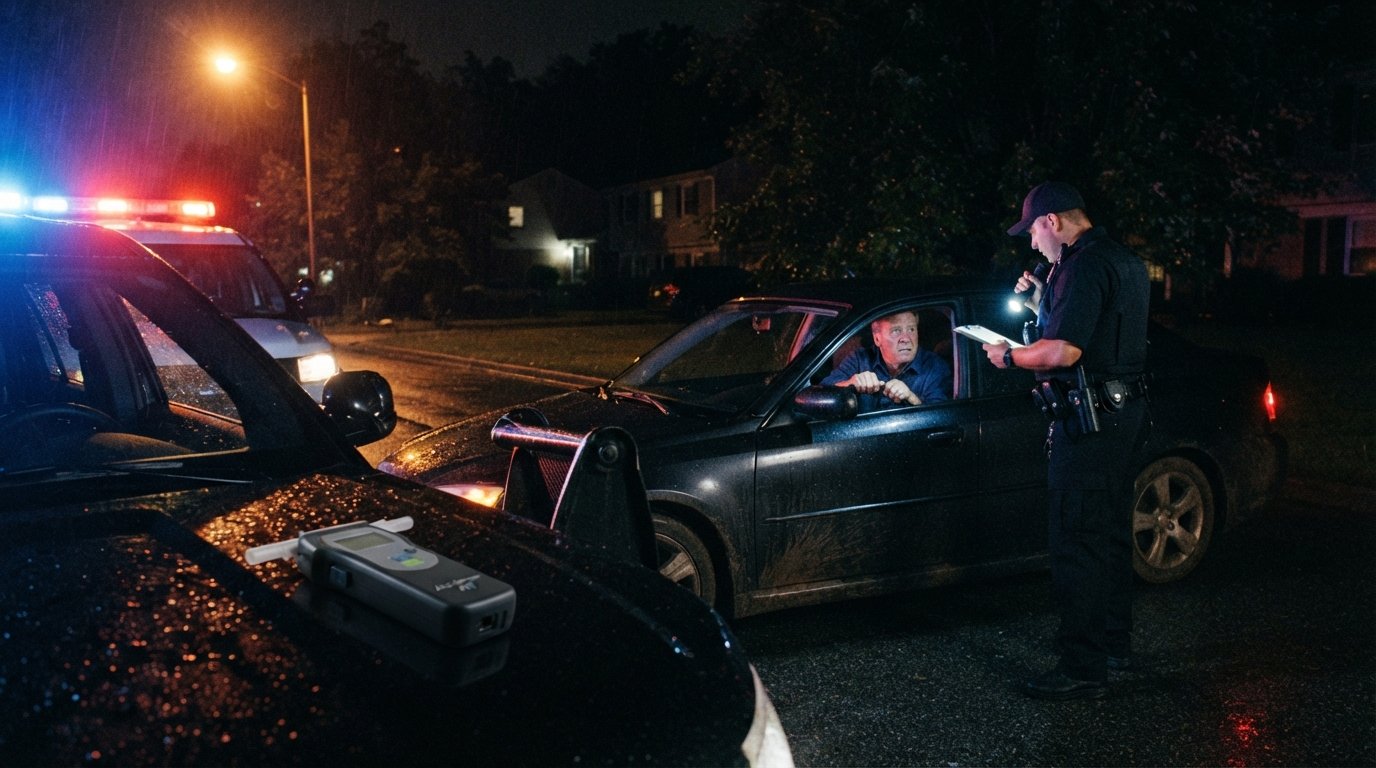
You are pulled over on a Friday night. The officer suspects you have been drinking and asks you to blow into a breathalyzer or submit to a blood draw. You refuse, thinking you are protecting yourself. What happens next often surprises people: your driver's license can be suspended almost immediately, even before any criminal case is resolved. That is the power of implied consent law, and the DUI test refusal consequences can be severe, expensive, and long-lasting.
Understanding how implied consent works, what refusal actually triggers, and how to respond after a refusal can shape the outcome of both your criminal case and your driving privileges. This guide walks through the legal mechanics, the penalties by state, the difference between administrative and criminal penalties, and the practical steps you should consider if you or someone you know has refused a chemical test.
What Is Implied Consent and Why It Matters
Implied consent is a legal doctrine that exists in all 50 states. The idea is simple: by applying for a driver's license and operating a vehicle on public roads, you automatically agree to submit to chemical testing (breath, blood, or urine) when a law enforcement officer has reasonable grounds to believe you are driving under the influence. You do not sign a separate form at the DMV to activate this agreement; it is built into the act of driving.
Because consent is implied rather than explicit, refusing a test is not treated as a simple exercise of your rights. Instead, it is treated as a violation of the conditions you accepted when you got behind the wheel. That violation carries its own set of penalties, separate from any DUI charge. This is why a refusal can lead to a license suspension even if you are never convicted of DUI.
The scope of implied consent varies by state. Some states require you to submit to a breath test but not a blood test without a warrant. Others allow officers to choose the test. In recent years, several states have updated their laws to require a warrant for blood draws, while breath tests remain covered by implied consent. Knowing your state's specific rules is critical because the consequences of refusal depend heavily on which test was requested and how the refusal was handled.
What Counts as a Refusal
Many people assume refusal only means saying "no" out loud. In practice, refusal can take many forms, and officers have broad discretion to classify your behavior as a refusal. Understanding what counts can help you avoid an accidental refusal that triggers penalties.
Common examples of refusal include:
- Verbally declining to take a breath, blood, or urine test.
- Remaining silent when asked to submit to a test.
- Physically resisting or pulling away from the officer.
- Failing to provide an adequate breath sample after multiple attempts.
- Conditioning your cooperation on speaking to a lawyer first (in most states).
Some states also treat a driver who is unconscious or otherwise unable to consent as having refused if they cannot provide a sample, though many states allow a warrantless blood draw in that situation. If you are unsure whether your actions were classified as a refusal, an attorney can review the police report and body camera footage to challenge the refusal allegation.
It is also important to note that you generally do not have the right to consult an attorney before deciding whether to take a chemical test. While you have the right to an attorney for the criminal case, the implied consent decision is considered an administrative matter, and delaying to call a lawyer can itself be treated as a refusal.
Immediate Consequences of Refusing a DUI Test
The most immediate consequence of a DUI test refusal is typically an administrative license suspension. In most states, the officer will confiscate your license on the spot and issue a temporary permit or notice of suspension. The suspension usually takes effect within a few days to a few weeks, and it can last from 90 days to a year or more, depending on your state and whether you have prior refusals.
This administrative suspension is separate from any criminal DUI case. Even if the DUI charge is later dropped or reduced, the refusal suspension can remain in effect unless you successfully challenge it. That is why it is crucial to request an administrative hearing within the short window allowed by your state (often 7 to 14 days) if you want to contest the suspension.
Beyond the license suspension, a refusal can lead to higher fines, mandatory ignition interlock devices, and increased insurance rates. In some states, a refusal is a separate criminal offense, meaning you could face charges for both DUI and refusal. The financial impact can run into thousands of dollars when you factor in fines, fees, towing, alternative transportation, and insurance increases.
If you are facing these consequences and are unsure where to turn, connecting with a qualified DUI attorney early can make a significant difference. Platforms like FormsByLawyers help individuals find legal professionals who understand the nuances of implied consent and can guide you through the administrative and criminal processes.
Administrative vs. Criminal Penalties
One of the most confusing aspects of DUI test refusal is that it can trigger two separate legal tracks: administrative and criminal. The administrative track is handled by the state's motor vehicle department and focuses on your driving privileges. The criminal track is handled by the courts and focuses on the DUI charge and any separate refusal charge.
Administrative penalties for refusal often include:
- License suspension ranging from 90 days to 3 years, depending on the state and prior offenses.
- Mandatory ignition interlock for a set period after reinstatement in some states.
- Reinstatement fees and required proof of insurance (SR-22 or similar).
- Completion of a substance abuse education or treatment program.
Criminal penalties for refusal can include:
- Fines, which can be higher than a standard DUI fine.
- Jail time, especially for repeat refusals or refusals involving an accident.
- Probation and mandatory alcohol education programs.
- Separate criminal charge for refusal itself in some states.
In many states, the administrative suspension begins before the criminal case is resolved, and the two processes run on different timelines. An experienced attorney can often coordinate defenses across both tracks to minimize the overall impact.
How Implied Consent Laws Vary by State
While all states have implied consent laws, the details vary widely. Some states treat a first refusal as a civil infraction with a shorter suspension, while others impose lengthy suspensions and criminal charges. For example, in some states, a first refusal results in a 1-year suspension, while a second refusal can lead to a 2- or 3-year suspension and mandatory interlock. In other states, refusal is a misdemeanor with jail time.
Some states also allow a driver to avoid the refusal suspension by agreeing to a blood test after initially refusing a breath test, while others do not. The availability of a warrant requirement for blood draws also affects how refusals are handled. Because these rules change frequently, it is essential to consult a local attorney who stays current on your state's laws.
If you are dealing with a refusal in a state where the penalties are particularly harsh, having legal representation can help you explore options such as challenging the traffic stop, questioning the officer's probable cause, or negotiating a resolution that avoids the worst consequences.
Defenses and Challenges to Refusal Allegations
Not every refusal allegation is valid. There are several defenses that an attorney can raise to challenge the refusal and its consequences. One common defense is that the officer failed to properly inform you of the implied consent warnings. Most states require officers to read a specific advisement that explains the consequences of refusal. If the officer misstates the law or omits key information, the refusal may be invalid.
Another defense is that you did not actually refuse. If you attempted to provide a sample but the machine malfunctioned, or if you were physically unable to provide a sample due to a medical condition, the refusal may be challenged. Similarly, if the officer did not have reasonable grounds to believe you were driving under the influence, the entire implied consent process may be invalid.
In some cases, the refusal can be challenged on constitutional grounds. For example, if the officer conducted an unlawful stop or arrest, the evidence obtained afterward, including the refusal, may be suppressed. An attorney can review the facts and determine whether any of these defenses apply to your case.
Beyond challenging the refusal itself, an attorney can also work to mitigate the consequences. This might include negotiating a plea that avoids a refusal conviction, seeking a restricted license for work or school, or enrolling in a diversion program that can lead to a dismissal.
Steps to Take After a DUI Test Refusal
If you have refused a chemical test, the steps you take in the days and weeks that follow can significantly affect the outcome. The first priority is to request an administrative hearing to contest the license suspension. The deadline is usually very short, often 7 to 14 days from the date of arrest. Missing this deadline can result in an automatic suspension that is much harder to overturn.
Next, you should document everything you remember about the stop, the arrest, and the refusal. Write down the officer's name and badge number, the time and location of the stop, what you were told about implied consent, and any witnesses who were present. This information can be valuable for your attorney.
You should also avoid discussing the case with anyone other than your attorney. Anything you say to friends, family, or on social media can be used against you. Finally, consult with a DUI attorney as soon as possible. An attorney can help you understand the specific penalties in your state, represent you at the administrative hearing, and build a defense to the criminal charges.
If you are also dealing with other legal issues, such as a contested divorce or family law matter, it may be helpful to connect with attorneys who can address multiple concerns. For example, resources like contested divorce lawyers can provide guidance on family law matters while you focus on your DUI case. Having a coordinated legal team can reduce stress and improve your overall outcome.
Long-Term Consequences and Financial Impact
The consequences of a DUI test refusal can extend far beyond the initial suspension and fines. A refusal on your record can affect your ability to obtain or keep a job, especially if you drive for a living. It can also lead to higher insurance premiums for years, and in some cases, insurers may cancel your policy altogether.
In addition, a refusal can complicate future DUI cases. If you are arrested again for DUI, a prior refusal can be used as an aggravating factor, leading to harsher penalties. It can also affect your eligibility for diversion programs or restricted licenses.
The financial toll can be substantial. Beyond fines and fees, you may face costs for towing, impound, alternative transportation, ignition interlock installation and monitoring, and legal fees. Some estimates put the total cost of a DUI refusal in the thousands to tens of thousands of dollars, depending on the state and the length of the suspension.
Given these stakes, it is worth taking the time to understand your rights and options. Whether you ultimately decide to fight the refusal or negotiate a resolution, having professional guidance can help you avoid unnecessary penalties and protect your future.
Implied consent laws are designed to encourage cooperation with chemical testing, but they also create a trap for drivers who refuse without understanding the consequences. If you have refused a test, you are not without options. The key is to act quickly, gather information, and seek legal advice tailored to your state's laws. By doing so, you can make informed decisions that minimize the impact on your license, your finances, and your freedom.