
Rental Car Accident Liability When Using Personal Insurance
Rental car accident liability when using personal insurance can be tricky. Call (855)-545-2917 for a free case evaluation and protect your rights.

By Evren Kairo
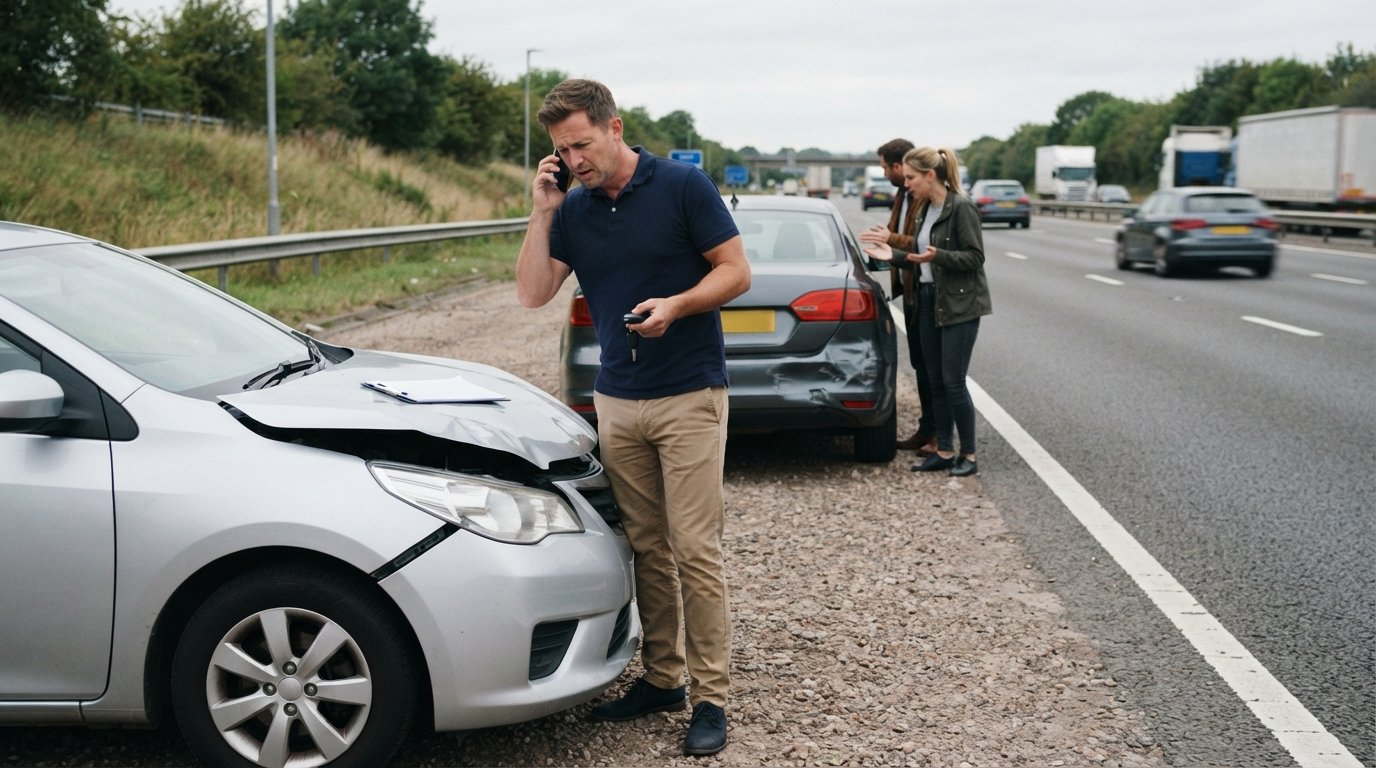
You are merging onto the highway in a rental car, checking the mirrors, and then it happens: a sudden stop, a screech of tires, and a crunch of metal. Your heart races as you pull over. In the chaos that follows, one question looms large: who pays for this? If you declined the rental company's insurance and assumed your personal auto policy would cover you, you are not alone. Many drivers believe their personal insurance automatically extends to rental cars, but the reality is more nuanced. Understanding rental car accident liability when using personal insurance is crucial to protecting yourself from financial ruin. This guide breaks down how coverage works, when it applies, and what steps you must take to preserve your rights and avoid surprise bills.
How Personal Auto Policies Extend to Rental Vehicles
Your personal auto insurance policy is designed to cover you in your own vehicle, but most standard policies also extend liability, collision, and comprehensive coverage to rental cars. This means if you cause an accident in a rental, your policy may respond similarly to how it would if you were driving your own car. However, this extension is not automatic in every situation. The key is to review your policy's declarations page and understand the specific terms. Typically, liability coverage pays for damage you cause to others, while collision and comprehensive cover damage to the rental car itself. But there are limits: your policy's coverage limits apply, and if the rental car is worth more than your own car, you could be underinsured.
Another critical factor is whether your policy includes "loss of use" coverage. Rental companies often charge for the income they lose while their car is being repaired. Some personal policies cover this, but many do not. Additionally, if you are renting for business purposes, your personal policy might exclude coverage. It is essential to read the fine print or call your insurer before you drive off the lot. For a deeper dive into how liability is determined after any car accident, see our guide on who pays after a car accident.
When the Rental Company's Damage Waiver or Liability Coverage Applies
At the rental counter, you are often asked if you want to purchase a damage waiver (sometimes called Loss Damage Waiver or LDW). This is not insurance; it is a waiver that relieves you of financial responsibility for damage to the rental car, provided you comply with the rental agreement. If you decline the waiver and rely on personal insurance, you are responsible for the deductible and any amount exceeding your policy limits. The waiver can be expensive, but it offers peace of mind. However, it typically does not cover liability for injuries to others or their property. For that, you need liability insurance, which the rental company may provide at a minimal level or you may need to rely on your personal policy.
Rental companies are required by law to provide the state minimum liability coverage, but this is often insufficient in a serious accident. If you cause an accident and the other party's injuries exceed the rental company's minimal coverage, you could be personally liable for the excess. Your personal auto policy's liability coverage may step in, but only if it extends to rentals and your limits are adequate. Understanding the interplay between the rental company's coverage and your personal policy is vital. Never assume the rental company's coverage is enough; always verify your own policy's terms.
Credit Card Benefit Limits and Exclusions
Many credit cards offer rental car insurance as a perk, providing primary or secondary coverage for damage to the rental vehicle. This can be a valuable fallback if you decline the rental company's waiver. However, these benefits come with significant limitations. They often exclude certain vehicle types (e.g., luxury cars, vans, trucks), exclude rentals in certain countries, and require you to decline the rental company's waiver. Moreover, they typically cover only physical damage to the rental car, not liability for injuries to others. If you rely solely on credit card coverage, you may still be on the hook for liability claims.
To maximize your protection, you can layer coverage: use your personal auto policy for liability and collision, and your credit card for the deductible. But coordination can be complex. For instance, your personal policy might be primary, and the credit card secondary. You must report the accident to both parties promptly. Keep in mind that credit card benefits often have time limits and require extensive documentation. Always read the terms of your credit card agreement before renting.
Injury Claims Brought by Other Drivers or Passengers
If you cause an accident in a rental car and others are injured, liability is a major concern. Your personal auto policy's liability coverage may respond, but only up to your policy limits. If the injuries are severe, the costs can quickly exceed those limits, leaving you personally exposed. The rental company's liability coverage, if any, is usually minimal. This is why carrying adequate liability limits on your personal policy is crucial. In some states, you may be required to carry additional coverage for rentals, so check local laws.
Passengers in your rental car are also at risk. If they are injured due to your negligence, they may file a claim against you. Your personal policy's medical payments or personal injury protection (PIP) coverage might cover their medical expenses, depending on the state and policy. However, if they sue, your liability coverage would defend you. It is important to report any injury claims to your insurer immediately. Failing to do so could jeopardize coverage. If you are facing a serious injury claim, consulting with an attorney experienced in rental car accidents is wise. Platforms like AttorneyLeads can connect you with qualified legal professionals who specialize in these complex cases.
Steps to Preserve Coverage After a Rental Crash
After a rental car accident, your actions in the first few hours and days can determine whether your insurance covers the damage. Follow these steps to protect yourself:
- Ensure safety and call police: Move to a safe location, check for injuries, and call 911. A police report is crucial for insurance claims.
- Document the scene: Take photos of the damage to all vehicles, the accident scene, and any injuries. Exchange information with the other driver, including insurance details.
- Notify the rental company immediately: Report the accident as required by your rental agreement. They may provide instructions and file their own claim.
- Contact your personal auto insurer: Report the accident promptly, even if you think the rental company's coverage will handle it. Provide all details and cooperate fully.
- Keep records: Save receipts, rental agreement, police report, and any correspondence with insurers. Do not admit fault or sign anything from the other party's insurer without legal advice.
Following these steps helps establish a clear record and demonstrates your cooperation, which can smooth the claims process. Remember that timely reporting is often a condition of coverage. If you delay, your insurer might deny the claim. Also, be cautious about accepting the rental company's damage assessment without verifying with your own insurer. You have the right to dispute charges you believe are unfair.
Navigating rental car accident liability when using personal insurance can be daunting, but with the right knowledge and proactive steps, you can protect your finances and your peace of mind. Always review your policy before renting, consider your coverage limits, and do not hesitate to seek professional advice if a serious accident occurs. Your diligence today can save you from costly surprises tomorrow.