
Uninsured Motorist Claim Steps After Hit by Uninsured Driver
Hit by an uninsured driver? Follow these uninsured motorist claim steps to protect your recovery. Call (855)-545-2917 for a free case review.

By Arden Flux
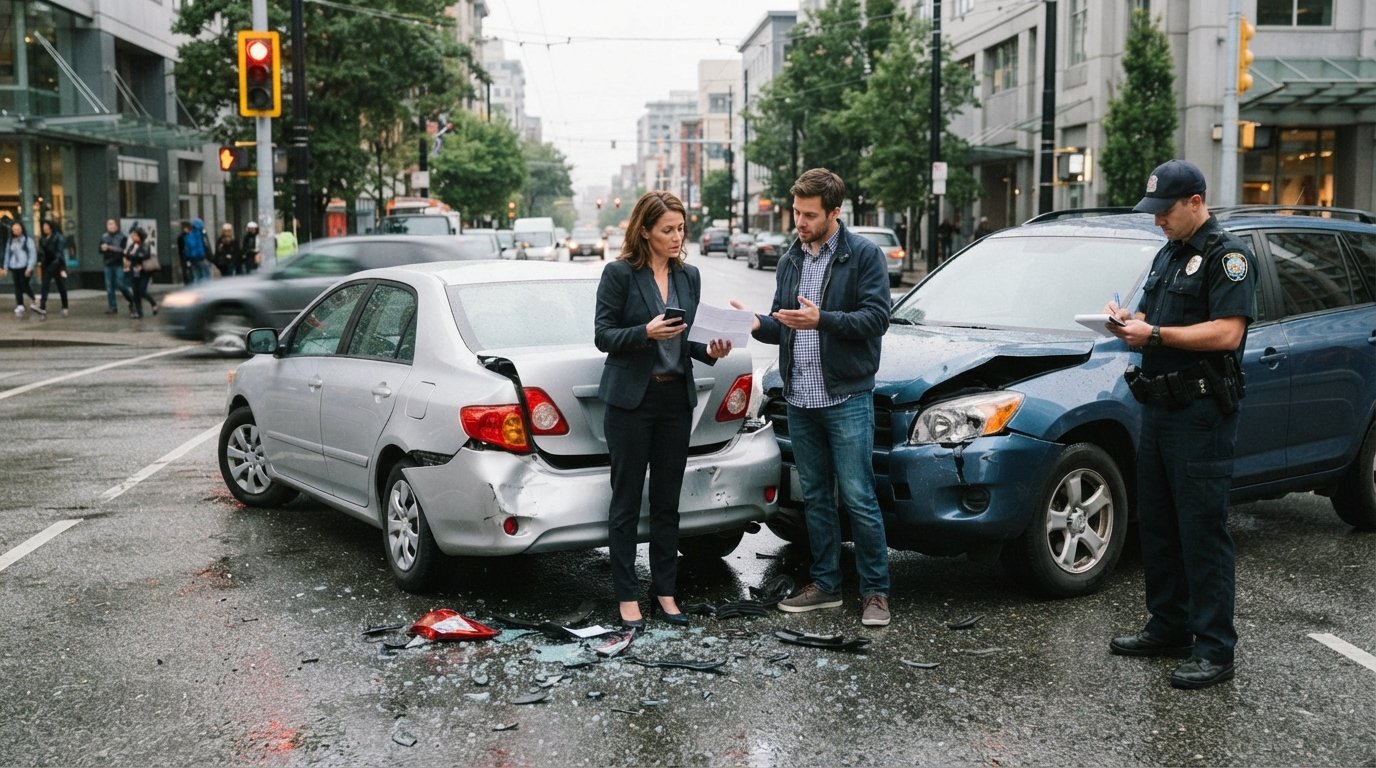
You are sitting at a red light when a driver slams into your rear bumper. You exchange information, call the police, and later learn the other driver has no insurance. Now you face repair bills, medical costs, and lost wages with no obvious source of payment. The good news is that your own auto policy may cover the damage through uninsured motorist coverage, but only if you follow the right steps and protect your claim from the start. This guide walks you through the uninsured motorist claim steps after hit by uninsured driver, from notifying your insurer to handling disputes and involving an attorney when necessary.
How Uninsured Motorist Coverage Works and Whether Your State Requires It
Uninsured motorist (UM) coverage is a type of auto insurance that pays for your injuries and sometimes property damage when the at-fault driver has no liability insurance. It also applies in hit-and-run accidents where the driver cannot be identified. Many states require insurers to offer UM coverage, but whether you actually have it depends on the choices you made when you bought your policy. Some states mandate UM coverage outright, while others require insurers to offer it but allow you to reject it in writing.
There are two main parts to UM coverage: uninsured motorist bodily injury (UMBI) and uninsured motorist property damage (UMPD). UMBI pays for medical expenses, lost wages, pain and suffering, and other injury-related losses. UMPD covers damage to your vehicle, though some states combine it with collision coverage or set a lower limit. If you are unsure whether you have UM coverage, check your declarations page or call your insurer. If you do not have it, you may still have options through other policies in your household or through a civil lawsuit against the at-fault driver, though collecting from an uninsured driver is often difficult.
Understanding your policy limits is critical because UM coverage typically mirrors your liability limits. For example, if you carry 50/100/50 liability coverage, your UM limits may be the same. Some insurers offer stacked UM coverage, which combines limits from multiple vehicles on the same policy, increasing the total available. In states that require UM, your insurer must include it unless you specifically declined it. Even in states where it is optional, UM coverage is usually inexpensive and worth adding. For a deeper explanation of policy mechanics and state rules, see our guide on what is uninsured motorist coverage and why you need it.
Steps to Notify Your Insurer and Preserve Your UM Claim
After a crash with an uninsured driver, time and documentation are your biggest allies. Insurers handle thousands of claims and often look for reasons to deny or minimize payouts. Following a clear sequence of steps helps you build a strong record and avoid common pitfalls. Below are the key actions to take, ideally within the first few days after the accident.
- Report the accident to police and get a report. A police report creates an official record that the other driver was uninsured or fled the scene. It also documents injuries, vehicle damage, and witness statements. If the police do not respond to the scene, file a report at the nearest station as soon as possible.
- Notify your own insurer promptly. Call your insurance company and tell them you were hit by an uninsured driver. Ask them to open a UM claim. Most policies require prompt notice, and delays can give the insurer grounds to deny coverage. Provide the police report number, the other driver's information if known, and a summary of what happened.
- Document everything. Take photos of your vehicle, the accident scene, and any visible injuries. Keep copies of medical records, repair estimates, rental car receipts, and pay stubs if you miss work. Save all correspondence with your insurer, including emails and letters. A detailed file makes it harder for the insurer to dispute your claim.
- Seek medical attention right away. Even if you feel fine, some injuries like whiplash or concussions appear hours or days later. A medical evaluation creates a record linking your injuries to the accident. Follow your doctor's treatment plan and keep all appointments. Gaps in treatment are a common reason insurers reduce or deny UM claims.
- Cooperate with the investigation but avoid recorded statements. Your insurer may ask for a recorded statement. You are usually required to cooperate, but you can ask to provide a written statement instead. If you agree to a recorded statement, stick to the facts and avoid speculating about fault or the extent of your injuries. Do not sign any release or settlement offer without reviewing it carefully or consulting an attorney.
These steps apply whether the at-fault driver is identified or not. In hit-and-run cases, the process is similar, but you will need to prove that the other driver caused the accident and cannot be found. Some states require you to report a hit-and-run to police within a specific time frame, often 24 to 72 hours, to preserve your UM claim. Failing to meet that deadline can jeopardize your coverage even if you have UM.
Once your claim is open, your insurer will assign an adjuster. The adjuster may request a medical examination, an independent medical evaluation (IME), or a statement under oath. These are normal parts of the process, but they can also be used to gather evidence against you. Keep your own records and consider consulting an attorney if the insurer seems hostile or delays unreasonably. If you are also dealing with the at-fault driver's lack of insurance in a state that requires UM, your insurer must act in good faith. Bad faith handling can lead to additional damages in some states.
What Happens When the At-Fault Driver Cannot Be Identified in a Hit and Run
Hit-and-run accidents add a layer of complexity because there is no other driver to pursue. Your UM coverage becomes the primary source of compensation, but you must prove that the accident involved another vehicle and that you were not at fault. Insurers often scrutinize these claims closely because of fraud concerns. To strengthen your hit-and-run UM claim, gather any evidence that ties your injuries and damage to the unknown driver.
Start by filing a police report immediately. The report should note that the other driver fled the scene. If there were witnesses, get their names and contact information. Surveillance footage from nearby businesses or traffic cameras can also help. Take photos of your vehicle damage and the location where the accident happened. If you have collision coverage, you may file a claim under that part of your policy for vehicle repairs, but UM coverage is still important for your injuries. Some states allow UM claims for hit-and-run even without a police report, but having one makes your case much stronger.
Another challenge in hit-and-run cases is proving that the unknown driver was uninsured. In practice, most states presume the driver was uninsured because they cannot be identified. However, your insurer may still argue that you cannot prove the other driver had no insurance. An attorney can help you gather evidence, such as traffic camera footage or witness testimony, and push back against unreasonable denials. If your insurer refuses to pay a valid UM claim, you may have grounds for a bad faith lawsuit. In some states, you can also seek compensation from a state fund for hit-and-run victims, though these funds often have strict eligibility rules and low payout caps.
Common Disputes Insurers Raise and How an Attorney Can Help
Even with clear evidence, insurers often dispute UM claims. Knowing the typical arguments can help you prepare and respond effectively. Here are some of the most common disputes you may encounter:
- Lack of notice or late reporting. Insurers may claim you waited too long to report the accident or file your UM claim. Most policies require prompt notice, and state laws set specific deadlines. If you missed a deadline, an attorney can argue that the delay was reasonable or that the insurer was not prejudiced.
- Causation and pre-existing conditions. The insurer may argue that your injuries were pre-existing or not caused by the accident. They might request your medical history and use it to minimize your claim. An attorney can work with medical experts to link your injuries to the crash and counter these arguments.
- Comparative fault. In some states, if you are partially at fault for the accident, your UM recovery may be reduced or barred. The insurer may try to shift blame onto you. An attorney can investigate the accident, gather evidence, and challenge unfair fault allegations.
- Policy limits and stacking. Insurers may dispute whether you can stack UM limits from multiple vehicles or policies. They may also argue that your UM coverage does not apply because of exclusions. An attorney can interpret your policy and state law to maximize your recovery.
- Failure to cooperate. If you miss a deadline, refuse a recorded statement, or fail to attend an IME, the insurer may deny your claim for non-cooperation. An attorney can communicate with the insurer on your behalf and ensure you meet all requirements without compromising your rights.
When disputes arise, having an experienced personal injury attorney on your side can make a significant difference. Attorneys know how insurers operate, what evidence to gather, and how to negotiate effectively. They can also file a lawsuit if the insurer refuses to pay a fair amount. Many personal injury attorneys work on a contingency fee basis, meaning you pay nothing upfront and only a percentage of the recovery if they win. This makes legal representation accessible even if you are facing financial hardship after an accident.
If you are searching for legal help, consider using a platform that connects you with qualified attorneys. CarInjuryAccident.com offers a free, no-obligation case evaluation and a patented attorney selection process that identifies top-rated legal professionals. You can request a quick quote and get matched with an attorney who handles uninsured motorist claims in your state. For law firms and legal professionals looking to reach clients in this practice area, AttorneyLeads provides exclusive, pre-screened legal leads across the United States, covering personal injury, DUI, bankruptcy, and more.
Beyond disputes, an attorney can help you calculate the full value of your claim, including medical expenses, lost earning capacity, pain and suffering, and future care costs. They can also identify all available insurance policies, such as umbrella policies or coverage from other household members, that might apply. If the at-fault driver has some insurance but not enough to cover your losses, an attorney can pursue a UM claim for the difference. In cases involving multiple vehicles or commercial trucks, the investigation can be complex, and legal guidance is often essential.
Finally, remember that insurance companies are businesses focused on minimizing payouts. They may offer a quick settlement that seems fair but fails to account for long-term needs. An attorney can review any settlement offer, explain your rights, and negotiate for a better outcome. If litigation becomes necessary, they can represent you in court and protect your interests throughout the process. Whether you handle your UM claim alone or with legal help, staying organized, acting quickly, and knowing your policy are the keys to a successful recovery.