What Is Bodily Injury Liability Accident Coverage

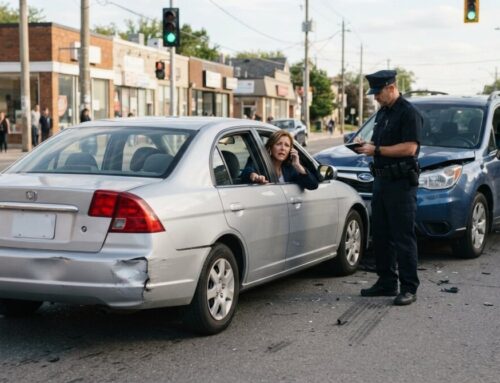
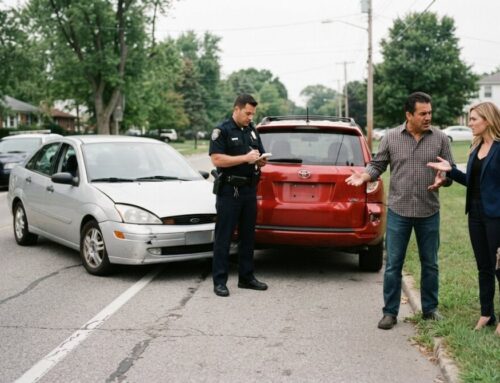
After a car accident, the term “bodily injury liability” often appears in insurance discussions, but many drivers do not fully understand what it means until they face a claim. A bodily injury liability accident occurs when you cause a crash that injures another person, and your insurance policy covers their medical expenses, lost wages, and legal fees up to your policy limits. This coverage is not optional in most states, yet its nuances can significantly impact your financial future if you are held responsible for someone else’s injuries. Understanding this concept helps you make informed decisions about your auto insurance policy and protects you from devastating out-of-pocket costs.
How Bodily Injury Liability Works After an Accident
Bodily injury liability is a component of a standard auto insurance policy that pays for injuries you cause to others in a car accident. It does not cover your own injuries or damage to your vehicle. Instead, it focuses on the other party’s medical bills, rehabilitation costs, lost income, and pain and suffering. If you are sued after an at-fault accident, this coverage also pays for your legal defense and any settlement or judgment against you, up to the limits you selected.
For example, imagine you run a red light and hit a motorcyclist who fractures their leg. The rider’s medical bills total $45,000, and they miss two months of work costing $10,000 in lost wages. Your bodily injury liability coverage would pay these expenses, assuming your policy limits are high enough. If your limits are only $25,000 per person, you would be personally responsible for the remaining $30,000, which could force you to liquidate savings or assets. This scenario illustrates why selecting adequate coverage limits is critical.
When a claim is filed, your insurance company investigates the accident, determines fault, and negotiates with the injured party’s legal team or insurance provider. If a settlement cannot be reached, the case may go to court, and your insurer must provide legal counsel. The entire process can take months or even years, depending on the severity of injuries and the complexity of liability. In our guide on how long insurance takes to settle an accident claim, we explain how timelines vary based on injury severity and policy limits.
Key Differences Between Bodily Injury and Other Coverages
Many drivers confuse bodily injury liability with other types of auto insurance coverage. Understanding these differences prevents gaps in protection and ensures you have the right policy for your needs.
Bodily Injury Liability vs. Personal Injury Protection (PIP)
Personal Injury Protection, commonly called PIP, covers your own medical expenses and lost wages regardless of who caused the accident. It is required in no-fault states and provides immediate benefits without determining fault. Bodily injury liability, by contrast, only covers other people’s injuries and only when you are at fault. In a no-fault state, PIP pays first, and bodily injury liability may only come into play if the injuries exceed PIP limits or meet a certain threshold of severity.
Bodily Injury Liability vs. Medical Payments Coverage (MedPay)
Medical Payments Coverage, or MedPay, is similar to PIP but typically offers lower limits and covers only medical expenses, not lost wages. It applies to you and your passengers regardless of fault. Bodily injury liability again differs by covering only the other party and requiring fault to be established. Some drivers carry both MedPay and bodily injury liability to ensure comprehensive protection for themselves and others.
Bodily Injury Liability vs. Property Damage Liability
Property damage liability covers damage you cause to another person’s vehicle, fence, building, or other property. While bodily injury liability focuses on physical harm to people, property damage liability addresses tangible losses. Both are typically required by state law and are sold together in a standard liability policy. However, the coverage limits for each are separate, and you can choose different amounts for each.
Minimum Coverage Requirements vs. Recommended Limits
Every state except New Hampshire and Virginia requires some form of bodily injury liability insurance. However, state minimum limits are often shockingly low and may not provide adequate protection. Most states set minimums at $25,000 per person and $50,000 per accident, though some states like California require only $15,000 per person and $30,000 per accident. These figures were established decades ago and do not account for modern medical costs.
Consider a multi-vehicle accident where you cause injuries to three people. If your policy has $50,000 per accident limit, that is the total amount available for all injured parties combined. If each person has $30,000 in medical bills, your insurance covers only $50,000 total, leaving you responsible for the remaining $40,000. This gap can lead to wage garnishment, liens on property, or bankruptcy. For this reason, many financial experts recommend carrying at least $100,000 per person and $300,000 per accident, or even $250,000/$500,000 if you have significant assets to protect.
Factors that influence your ideal coverage limits include your net worth, income, driving habits, and the value of assets you could lose in a lawsuit. If you own a home, have substantial savings, or earn a high income, you are a more attractive target for litigation. Increasing your bodily injury liability limits is typically inexpensive compared to the potential financial devastation of an underinsured claim. The difference between $25,000 and $100,000 in coverage often costs less than $100 per year.
What Happens When Bodily Injury Liability Limits Are Exhausted
If the cost of an accident exceeds your bodily injury liability limits, the injured party can pursue you personally for the remaining amount. This legal process, known as a “demand” or “collections” action, can result in a judgment against you. Once a judgment is entered, the injured party may garnish your wages, place a lien on your home, or seize other assets to satisfy the debt. In some states, even retirement accounts and future inheritance can be targeted.
For example, a 2022 study by the Insurance Research Council found that medical costs for a single serious injury from a car accident average over $100,000. If you carry only state minimum coverage and cause such an injury, you face a personal liability of $75,000 or more. Without sufficient assets, you may need to declare bankruptcy, which can remain on your credit report for up to 10 years and affect your ability to rent housing, secure loans, or obtain employment.
To protect against this risk, consider purchasing an umbrella policy. Umbrella insurance provides additional liability coverage above your auto and homeowners policy limits, typically starting at $1 million. It is relatively affordable and offers peace of mind for those with significant assets or high exposure to lawsuits. An umbrella policy also covers certain liabilities not included in standard auto policies, such as libel, slander, and false arrest.
How Fault Determines Bodily Injury Claims
Fault is the central factor in a bodily injury liability accident. The at-fault driver’s insurance pays for injuries to others. However, fault is not always clear-cut. Many accidents involve shared responsibility, where both drivers contributed to the crash. States handle this differently based on their comparative negligence or contributory negligence laws.
In pure comparative negligence states like California or Florida, each party’s percentage of fault is determined, and damages are reduced accordingly. If you are 30% at fault, you pay 30% of the damages. In modified comparative negligence states like Texas or Colorado, you can recover damages only if you are less than 50% or 51% at fault, depending on the state. In the rare contributory negligence states like Alabama and Virginia, any fault on your part bars you from recovering any damages, even if you are only 1% responsible.
Because fault determination can be complex, insurance companies rely on police reports, witness statements, photos, and sometimes accident reconstruction experts. If you are involved in a crash, never admit fault at the scene, even if you believe you caused it. Let the investigation determine responsibility. Speaking with an attorney before giving a recorded statement to an insurance adjuster is also wise, as adjusters are trained to minimize payouts. If you need guidance on finding the right personal injury lawyer after a car accident, our platform connects you with experienced attorneys who can protect your rights.
The Role of Bodily Injury Liability in Lawsuits
When an injured party files a lawsuit after an accident, your bodily injury liability coverage becomes your primary financial defense. Your insurance company appoints a defense attorney and pays all legal costs, including court fees, expert witness fees, and deposition expenses. If a jury awards damages exceeding your policy limits, your insurer is generally not obligated to pay the excess unless they acted in bad faith by refusing a reasonable settlement offer within policy limits.
This concept, known as “bad faith” insurance practices, can shift liability to the insurance company if they unreasonably rejected a settlement demand that would have resolved the claim within policy limits. For example, if the injured party offers to settle for $50,000 (your policy limit) but your insurer refuses, and a jury later awards $200,000, your insurer may be responsible for the additional $150,000. Courts have found insurers liable for bad faith in such scenarios, but proving bad faith requires legal expertise and often a separate lawsuit against the insurance company.
To avoid bad faith issues, insurers typically handle claims carefully, but policyholders should still be proactive. If you receive a settlement demand or lawsuit, notify your insurance company immediately and cooperate fully with their investigation. Keep copies of all correspondence and document any pressure from adjusters to settle quickly. An attorney can review settlement offers and ensure your interests are protected throughout the process. Many lawyers work on a contingency fee basis, meaning they only get paid if you win. Our article on how a car accident lawyer contingency fee works for you explains this payment structure in detail.
How to Choose the Right Bodily Injury Liability Coverage
Selecting the appropriate bodily injury liability limits requires balancing cost against risk exposure. Here are several factors to consider when making this decision.
- Your state’s minimum requirements , Always meet or exceed the legal minimum in your state. Driving without liability insurance can result in fines, license suspension, and personal liability for any accident you cause.
- Your personal assets , If you own a home, have substantial savings, or earn a high income, choose limits that protect those assets. A good rule of thumb is to carry coverage equal to your net worth plus $100,000 for future earnings potential.
- Your driving habits , If you commute long distances, drive in heavy traffic, or frequently transport passengers, your accident risk increases. Higher limits provide a cushion against the higher probability of a claim.
- Your budget , Increasing from state minimums to $100,000/$300,000 typically adds $50 to $150 per year to your premium. This is a small price for significant protection. Obtain quotes from multiple insurers to find the best rate.
- Umbrella policy availability , If you need more than $300,000 in liability coverage, consider an umbrella policy. Bundling it with your auto and homeowners insurance often results in discounts that offset the additional cost.
Review your policy annually, especially after major life changes such as buying a home, getting married, or having children. These events increase your financial exposure and may warrant higher limits. Also, check your policy after paying off a car loan, as you may be able to reduce collision coverage while maintaining or increasing liability limits.
Frequently Asked Questions
What is the difference between bodily injury liability and uninsured motorist coverage?
Bodily injury liability covers injuries you cause to others. Uninsured motorist coverage covers your own injuries when the at-fault driver has no insurance. Both are important, but they serve opposite purposes in an accident.
Does bodily injury liability cover passengers in my car?
No. Bodily injury liability covers people outside your vehicle who are injured by your driving. Your passengers’ injuries are covered by your personal injury protection (PIP), medical payments coverage (MedPay), or by the at-fault driver’s liability policy if you are not at fault.
Can I be sued if I have bodily injury liability insurance?
Yes, you can still be sued, but your insurance company will provide legal defense and pay covered damages up to your policy limits. If the claim exceeds your limits, you may be personally liable for the excess unless your insurer acted in bad faith.
How do I file a claim under someone else’s bodily injury liability policy?
If you are injured by another driver, you file a claim with their insurance company. Provide the other driver’s policy number, a copy of the police report, medical records, and documentation of lost wages. The insurance company will investigate and make a settlement offer.
What happens if I cause an accident without insurance?
Driving without insurance is illegal in most states and can result in fines, license suspension, and personal liability for all damages. You may be sued, and a judgment against you can lead to wage garnishment, bank account levies, or property liens. In some states, your driver’s license can be revoked until you pay the judgment.
Understanding what is bodily injury liability accident coverage and how it functions is essential for every driver. This coverage protects you from financial ruin when you cause harm to others on the road, but only if your policy limits are adequate. Reviewing your current policy, considering your personal risk factors, and consulting with a qualified attorney can help you make informed choices that safeguard your assets and your future. If you have questions about a specific claim or need assistance navigating an accident, contact our team at 855-545-2917 for a free consultation with an experienced personal injury attorney.