Who Is at Fault in a Rear End Collision? Key Facts
Being hit from behind is one of the most common types of car accidents, yet many drivers assume the rear driver is always automatically at fault. While that is often true, the reality is more nuanced. Determining who is at fault in a rear end collision depends on state laws, driver actions, and specific circumstances. If you have been involved in such a crash, understanding liability can protect your rights and help you pursue fair compensation. This article breaks down the rules, exceptions, and steps to take after a rear end accident.
The General Rule of Rear End Collision Fault
In most jurisdictions, the driver who strikes another vehicle from behind is presumed negligent. This presumption stems from the basic duty of all drivers to maintain a safe following distance and remain alert. When a rear end crash occurs, the law typically assumes the trailing driver failed to uphold that duty. They are expected to anticipate stops, slow traffic, and sudden changes in road conditions.
Insurance adjusters and courts often apply this rule strictly. For example, if you are stopped at a red light and another driver hits you, their insurance company will likely accept liability. The reasoning is simple: had they been paying attention and keeping enough space, they could have stopped in time. However, this general rule is not absolute. There are situations where the front driver shares or even bears full responsibility.
Exceptions Where the Front Driver May Be at Fault
While rear drivers are often liable, several exceptions can shift fault partially or entirely to the front vehicle. Understanding these exceptions is critical if you were the rear driver and believe the other party caused the accident. Below are the most common scenarios where the front driver may be found negligent.
Sudden or Unsafe Lane Changes
If a driver abruptly cuts into your lane and then slams on their brakes, they may be at fault for the resulting rear end collision. In such cases, the front driver violated the duty to change lanes safely. You might still face some shared fault if you were speeding or following too closely, but the sudden lane change can significantly reduce your liability.
Brake Checking
Brake checking occurs when a driver intentionally hits their brakes to cause the vehicle behind them to rear end them. This aggressive behavior is illegal in most states. If you can prove the other driver brake checked you, perhaps through dashcam footage or witness statements, they may be held fully responsible. Courts view brake checking as a form of road rage or reckless driving.
Mechanical Failures
A front driver whose brake lights or turn signals are malfunctioning may share fault in a rear end crash. If you could not see their brake lights due to a known defect, and they failed to repair it, the front driver’s negligence contributed to the accident. Similarly, if their vehicle suddenly stalled without warning due to poor maintenance, liability might be split.
Illegal or Improper Stops
Stopping suddenly in the middle of a highway or making an illegal turn without signaling can cause a rear end collision. For instance, if a driver stops abruptly to avoid missing an exit or parks in a travel lane, they may be partially at fault. The rear driver must still show they could not reasonably avoid the crash, but the front driver’s erratic behavior weakens their claim of full innocence.
Comparative and Contributory Negligence Laws
Your state’s negligence laws directly affect how fault is assigned and what compensation you can recover. There are three main systems used across the United States.
Pure Contributory Negligence: A few states, such as Virginia and Maryland, follow this strict rule. If you are found even 1 percent at fault, you cannot recover any damages from the other party. In rear end cases, this means a rear driver who was slightly speeding may be barred from compensation entirely.
Pure Comparative Negligence: States like California and Florida allow you to recover damages even if you are 99 percent at fault. However, your award is reduced by your percentage of fault. For example, if you suffered $10,000 in damages but were 30 percent at fault, you would receive $7,000.
Modified Comparative Negligence: Most states use this system, which bars recovery if your fault exceeds a certain threshold, typically 50 or 51 percent. If you are 49 percent at fault, you can still recover reduced damages. If you are 51 percent at fault, you get nothing.
Knowing your state’s law is essential when negotiating with insurers. An experienced attorney can help you navigate these rules and argue for the lowest possible percentage of fault assigned to you.
How Insurance Companies Determine Fault
Insurance adjusters rely on several pieces of evidence to assign fault in rear end collisions. Their goal is to minimize their payout, so they will scrutinize every detail. Key factors they consider include:
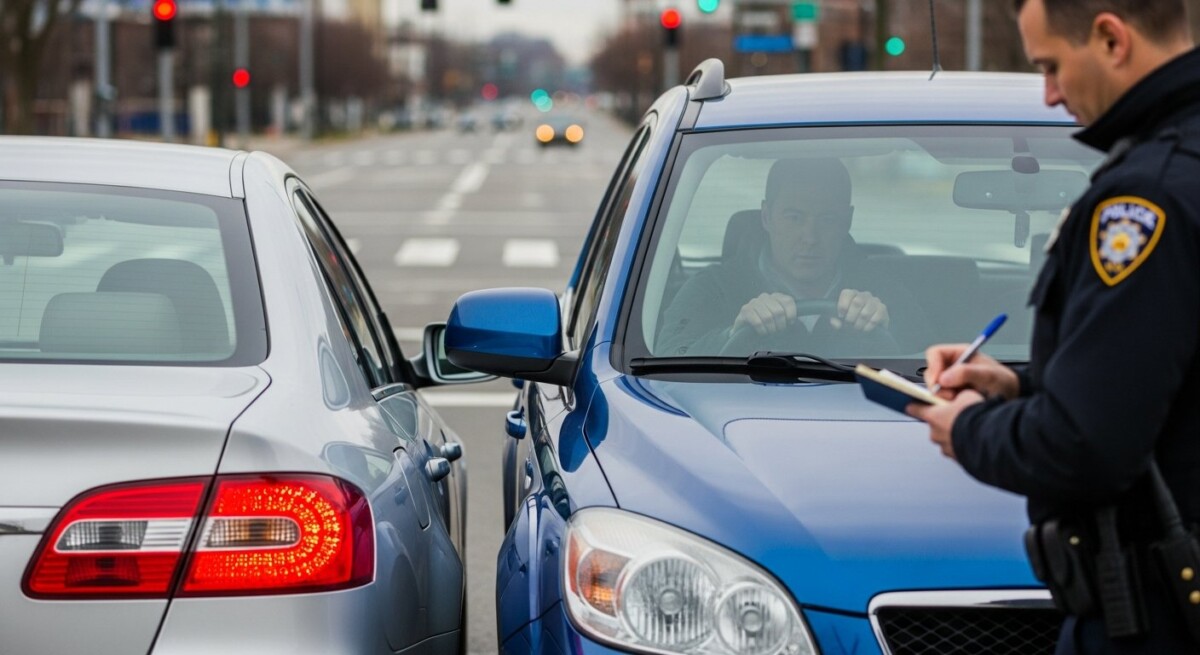
- Police reports: Officers often note who they believe caused the crash based on physical evidence and witness statements.
- Damage patterns: The location and severity of vehicle damage can indicate the angle and force of impact.
- Driver statements: What each driver says immediately after the accident can influence fault. Inconsistent stories raise red flags.
- Traffic laws: Violations like speeding, distracted driving, or failure to yield can shift liability.
- Dashcam footage: Video evidence is highly persuasive and can disprove false claims.
If you are the rear driver, the adjuster may pressure you to accept quick blame. Do not admit fault at the scene or over the phone. Instead, gather evidence and consult a lawyer before making any recorded statements. In our guide on what to do after a rear end collision key steps, we explain how to protect your claim from the moment of impact.
Steps to Protect Your Claim After a Rear End Crash
Whether you are the front or rear driver, taking the right steps immediately after the accident can preserve evidence and strengthen your case. Follow these actions carefully.
- Check for injuries and call 911: Your health comes first. Even minor symptoms can worsen later, so seek medical attention.
- Exchange information: Get the other driver’s name, phone number, insurance details, and license plate number.
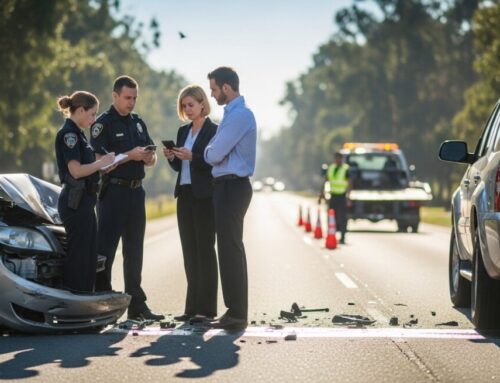
- Document the scene: Take photos of both vehicles, the surrounding area, skid marks, and any visible injuries.
- Find witnesses: Ask bystanders or other drivers for their contact information and a brief statement.
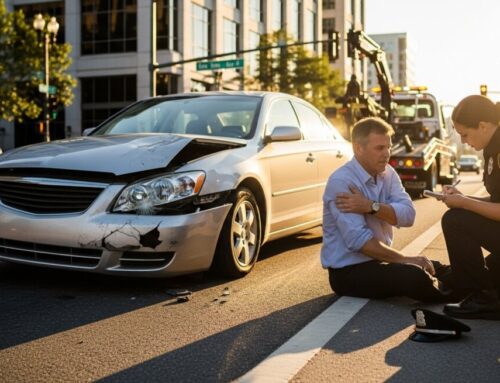
- Report the accident: File a police report, especially if there are injuries or significant damage. A report creates an official record.
- Notify your insurer: Report the claim promptly, but stick to the facts. Do not speculate about fault.
After these steps, contact a personal injury attorney who handles car accident cases. They can communicate with insurance companies on your behalf and ensure you do not accept an unfair settlement. If you were the rear driver but believe the front driver contributed to the crash, a lawyer can investigate and argue for shared fault.
Common Myths About Rear End Collision Fault
Several misconceptions persist about rear end accidents. Clearing them up can help you make informed decisions after a crash.
Myth 1: The rear driver is always 100 percent at fault. As discussed, exceptions like brake checking or sudden lane changes can shift liability. Never assume you have no case if you were the rear driver.
Myth 2: If you were rear ended, you automatically get a big payout. Compensation depends on the severity of injuries, property damage, and the other driver’s insurance limits. Minor fender benders may yield little to nothing.
Myth 3: You do not need a lawyer for a simple rear end accident. Even straightforward cases can become complicated if the other driver disputes fault or if injuries are delayed. An attorney can maximize your recovery.
Myth 4: Insurance companies will act in your best interest. Insurers are profit-driven businesses. They may offer a low settlement or deny your claim. Having legal representation levels the playing field.
Frequently Asked Questions
Can I be found at fault if I was rear ended?
Yes, but it is rare. If you were stopped illegally, brake checked the other driver, or had malfunctioning brake lights, you may share fault. The presumption still favors the rear driver, but evidence can overcome it.
What if the rear driver was distracted by a phone?
Distracted driving strengthens the presumption of fault against the rear driver. Texting, using navigation, or talking on a phone violates safe driving laws and makes it harder for them to argue they were not negligent.
Does weather affect fault in a rear end crash?
Weather conditions like rain, snow, or fog do not automatically excuse the rear driver. Drivers are expected to adjust their speed and following distance for weather. If you were driving too fast for conditions, you may still be found at fault.
How long do I have to file a claim after a rear end collision?
The statute of limitations varies by state, typically ranging from one to six years for personal injury claims. In most states, it is two years. Missing this deadline can bar you from recovering any compensation.
Should I accept the insurance company’s first settlement offer?
No. First offers are often low and do not account for future medical expenses or pain and suffering. Consult an attorney before signing anything.
Final Thoughts on Rear End Collision Fault
Determining who is at fault in a rear end collision requires examining the facts, state laws, and driver behavior. While the rear driver is often presumed negligent, exceptions exist that can shift or share liability. Protecting your rights after such an accident means gathering evidence, avoiding admissions of fault, and seeking legal guidance. If you are dealing with injuries, vehicle damage, or an insurance dispute, an experienced car accident attorney can help you navigate the claims process and fight for the compensation you deserve.