
Who Pays for a Rental Car After an Accident?
Find out who pays for a rental car after an accident, from your own policy to the at-fault insurer, and how to avoid surprise bills.

By Draven Nyro
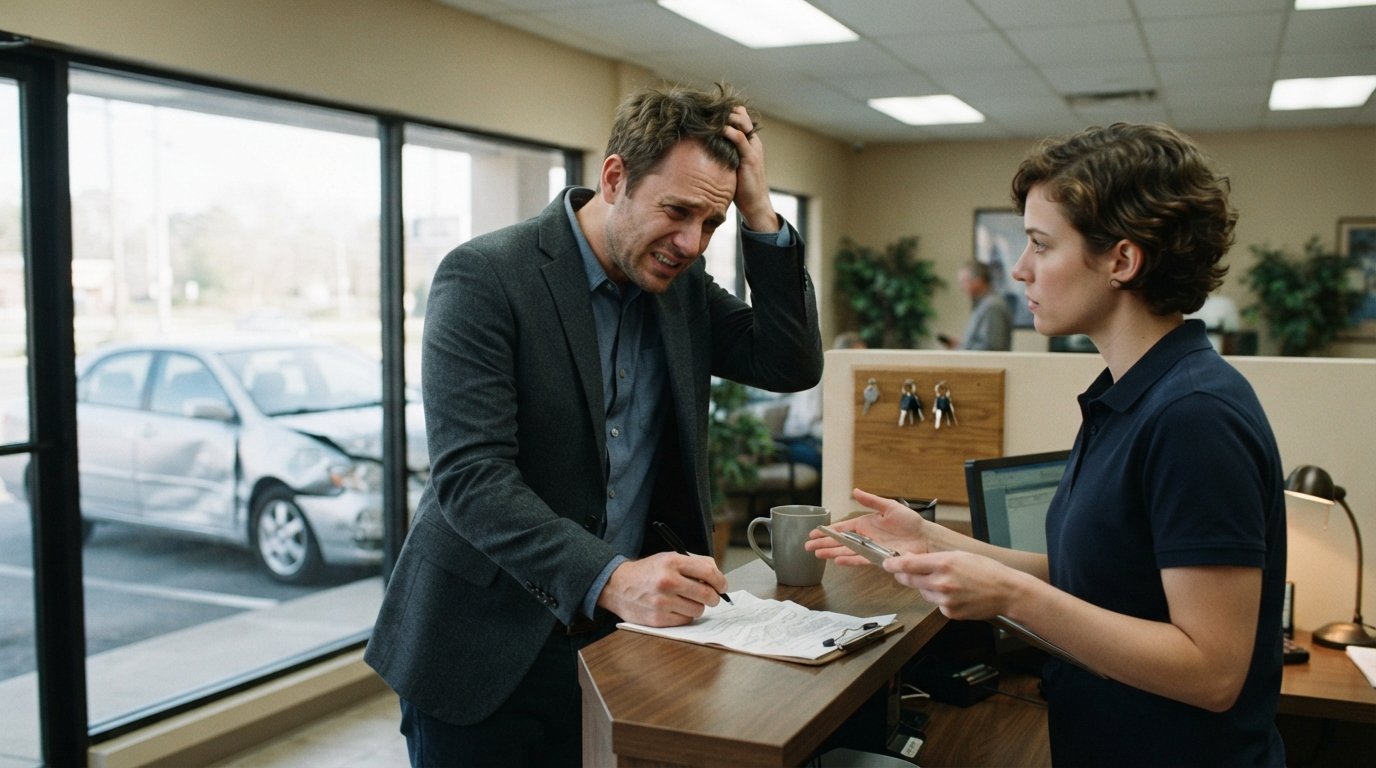
Your car is crumpled, the police report is filed, and you are standing in a rental lobby wondering how you got here. The agent slides a contract across the counter and asks for a credit card. In that moment, one question matters more than any other: who pays for a rental car after an accident? The answer depends on your insurance coverage, the at-fault driver's policy, the type of claim you file, and how quickly the other side accepts responsibility. Understanding these moving parts before you sign anything can save you hundreds or thousands of dollars in out-of-pocket costs, and it can protect the value of your injury claim at the same time.
The Short Answer: It Depends on Coverage and Fault
There is no single payer for a rental car after a crash. In most cases, one of four sources covers the cost: your own collision or rental reimbursement coverage, the at-fault driver's liability insurer, a third-party claim you file directly, or your health or umbrella policy in rare situations. Which one applies depends on who caused the accident, what state you live in, and what your policy actually says.
If the other driver was clearly at fault and their insurer accepts liability, that company typically pays for a rental under the property damage portion of their policy. If fault is disputed, or if the other driver is uninsured, you may need to lean on your own coverage first and seek reimbursement later. In no-fault states, personal injury protection (PIP) may cover some rental costs, but the rules vary widely from state to state.
The practical takeaway is this: never assume the other insurer will pay upfront. Most carriers will not issue a rental authorization until they have completed a liability investigation, which can take days or weeks. Until then, the rental bill is yours to manage, and that is why your own policy language matters so much.
How Rental Reimbursement Coverage Works
Rental reimbursement coverage is an optional add-on to your auto policy. It pays a set daily amount, usually between $30 and $50, up to a maximum total, often $900 to $1,500. It kicks in only after a covered loss, such as a collision or comprehensive claim, and it usually applies while your vehicle is being repaired or until a total loss settlement is reached.
There are important limits to understand. Rental reimbursement typically does not pay for the rental while you are simply waiting for an adjuster to inspect the car. It also caps the daily rate, so if you rent a larger vehicle or an SUV, you pay the difference. Some policies require you to use a specific rental partner, while others reimburse you after you submit receipts. Read your declarations page carefully, because the difference between a $30 daily cap and a $50 daily cap adds up fast over a two-week repair.
If you do not have rental reimbursement, your collision coverage may still pay for the damage to your car, but it will not cover a rental unless your policy includes a loss-of-use provision. Many drivers discover this gap only after an accident. If you are unsure what your policy includes, contact your insurer before you rent, and ask for the specific daily limit and maximum payout in writing.
When the At-Fault Driver's Insurer Pays
When another driver causes the crash, their liability insurer is generally responsible for your rental costs as part of the property damage claim. This is true in most states, but the process is not automatic. The insurer must first accept liability, which means confirming their driver was at fault. Once they do, they often set up a direct billing arrangement with a rental company and authorize a specific number of days.
Two complications arise frequently. First, liability disputes can delay payment for weeks, and during that time you may be stuck paying out of pocket. Second, the at-fault insurer may authorize a rental only until your car is repaired or until they make a total loss offer, whichever comes first. If the repair shop is backed up, you could exceed the authorized period and receive a bill for the difference.
If the other insurer delays unreasonably or refuses to pay for a rental you clearly need, you may have grounds for a bad faith claim. Document every call, save every email, and keep your receipts. A personal injury attorney can often pressure the insurer to comply, especially when the delay is part of a broader pattern of stonewalling. For a deeper look at building a strong claim from the start, see our guide on how to file a serious injury car accident claim.
Using Your Own Coverage First
Many drivers choose to use their own collision coverage and rental reimbursement rather than wait for the other insurer. This approach gets you into a rental immediately, but it comes with tradeoffs. You will pay your deductible upfront, and your insurer may pursue subrogation against the at-fault driver's carrier to recover the money, including your deductible. That process can take months, and you may not see your deductible returned until the very end.
Using your own coverage can also affect your premium in some states, although rental reimbursement claims alone rarely trigger a rate increase. The bigger concern is that your insurer may set the repair schedule, and you could face pressure to accept a quick settlement. If you were injured, that pressure can undermine your personal injury claim. It is often wise to consult an attorney before agreeing to any settlement, even a property damage one.
If you do not have collision coverage, you may still be able to rent a car and seek reimbursement from the at-fault driver's insurer later. Keep every receipt, note the dates and purpose of each rental day, and submit a demand letter with documentation. Insurers are more likely to reimburse documented, reasonable expenses than vague claims.
Rental Cars After a Total Loss
When your car is declared a total loss, the rental situation changes. The at-fault insurer typically pays for a rental until they make a settlement offer, plus a few extra days to allow you to find a replacement vehicle. Some insurers extend the rental for a reasonable period after the offer, but others cut it off immediately. If you need more time, ask for an extension in writing and explain your circumstances.
Your own rental reimbursement coverage also has limits after a total loss. It usually ends when your insurer makes a settlement offer, not when you actually buy a new car. That gap can leave you paying for a rental while you shop for a replacement. Budget for at least a week or two of out-of-pocket rental costs if your car is totaled.
If the at-fault driver's insurer is slow to make an offer, you may be able to recover additional loss-of-use damages. These damages compensate you for the inconvenience of being without a vehicle, and they can sometimes be paid as a lump sum rather than a daily rental rate. An attorney can help you calculate and demand fair loss-of-use compensation.
Steps to Take Before You Rent a Car
Before you drive off the lot, take a few deliberate steps to protect your wallet and your claim. The order matters, and skipping a step can cost you reimbursement later.
- Call your own insurer and ask whether your policy includes rental reimbursement, what the daily cap is, and how many days are covered.
- Contact the at-fault driver's insurer and ask whether they have accepted liability and will authorize a rental. Get the claim number and the adjuster's name.
- Ask the rental company whether they bill insurance directly or require you to pay upfront and seek reimbursement.
- Decline the rental company's supplemental insurance if your own policy already covers rentals, unless you have no coverage at all.
- Keep every receipt, rental agreement, and communication in a single folder, whether digital or physical.
Following these steps does not guarantee full reimbursement, but it dramatically improves your chances. Insurers respond to organized, documented claims. If you are ever unsure whether a rental expense is reasonable, ask yourself whether a judge would consider it necessary. If the answer is yes, document it and submit it.
Common Mistakes That Cost You Money
The most expensive mistake is renting a vehicle that exceeds the daily cap without realizing it. If your policy pays $30 per day and you rent a $75 per day SUV, you owe the difference. Another common error is failing to notify the at-fault insurer before renting, which can give them grounds to deny reimbursement for the first few days.
Drivers also lose money by accepting a rental authorization for too few days. If the repair takes longer than expected, ask for an extension before the authorization expires. Do not wait until the rental company calls you about the overdue vehicle. Finally, do not sign a release or accept a settlement check for property damage before you have accounted for all rental costs. Once you cash the check, the insurer may consider the matter closed.
If you are dealing with a serious injury alongside the rental issue, the stakes are higher. Medical bills, lost wages, and pain and suffering can dwarf a rental car bill, and insurers often try to bundle everything into a low offer. A personal injury attorney can separate the property damage claim from the injury claim and make sure you are not signing away your rights. Legal resources such as FormsByLawyers can help you understand the documents you may encounter, while a qualified attorney can advise you on your specific situation.
How an Attorney Can Help With Rental Car Costs
An experienced personal injury attorney can do more than negotiate a settlement for your injuries. They can pressure the at-fault insurer to pay rental costs promptly, document loss-of-use damages, and pursue bad faith claims if the insurer acts unreasonably. They can also coordinate with your own insurer to ensure your deductible is recovered through subrogation.
Attorneys often know the local repair shops and rental agencies that work efficiently with insurers, which can shorten your rental period and reduce out-of-pocket costs. They can also advise you on whether to use your own coverage or wait for the other insurer, based on the specific facts of your case and the laws in your state.
If you are facing mounting rental bills, medical treatment, and pressure from adjusters, you do not have to navigate it alone. CarInjuryAccident.com connects individuals with a team of seasoned attorneys who focus on personal injury, car accidents, and related claims. The platform uses a patented attorney selection process to identify top-rated legal professionals, and it offers free, confidential case evaluations with no obligation to hire. You can request a quick quote and speak with a participating attorney who understands how rental reimbursement fits into the broader claim.
Frequently Asked Questions
Does the at-fault driver's insurance pay for a rental car?
Yes, in most cases, if the other driver is found at fault, their liability insurer will pay for a rental car as part of your property damage claim. However, they typically will not pay until they accept liability, which can take days or weeks. You may need to use your own coverage in the meantime.
How long can I keep a rental car after an accident?
The at-fault insurer usually authorizes a rental until your car is repaired or until they make a total loss settlement, plus a few extra days. Your own rental reimbursement coverage has a maximum number of days, often 30. Always confirm the authorized period in writing.
What if I do not have rental reimbursement coverage?
You can still rent a car and seek reimbursement from the at-fault driver's insurer. Keep all receipts and submit a demand for reimbursement. If the other insurer delays, an attorney can help pressure them to pay.
Can I rent a car if my car is drivable but I am injured?
Yes, if your injuries prevent you from driving safely or if your doctor advises against it, you may be entitled to a rental or loss-of-use compensation. Document your medical restriction and include it in your claim.
Rental car costs after an accident are recoverable, but only if you understand the rules and document everything. Start by reviewing your own policy, then contact the at-fault insurer, and keep every receipt. If the process feels overwhelming, or if you are also dealing with injuries, reach out to a qualified attorney through CarInjuryAccident.com. A free, no-obligation case evaluation can clarify who pays for a rental car after an accident in your specific situation and help you avoid surprise bills while you focus on recovery.