Who Covers Accident Damages: Key Liability Facts
After a car accident, one of the first questions victims ask is who covers accident damages. The answer is rarely simple, as it depends on fault, insurance policies, and state laws. Without a clear understanding of liability, you might face unexpected medical bills, repair costs, or legal disputes. This article breaks down the key parties responsible for paying damages, the role of insurance, and what to do when coverage falls short. Whether you were the driver, a passenger, or a pedestrian, knowing who pays can protect your finances and your rights.
How Fault Determines Who Pays for Accident Damages
In most car accident cases, the at-fault driver is primarily responsible for covering damages. However, fault is not always obvious. A rear-end collision typically places blame on the following driver, but multi-vehicle crashes or accidents involving poor road conditions can complicate liability. Insurers and courts examine police reports, witness statements, and evidence to assign fault percentages. Once fault is determined, the responsible party’s insurance company usually steps in to pay for property damage, medical expenses, and other losses up to the policy limits.
If you are found partially at fault, your compensation may be reduced under comparative negligence rules. For example, if you were 20 percent responsible for the crash, your damages would be reduced by that percentage. In some states, being even 1 percent at fault can bar you from recovering anything at all. This is why it is critical to gather evidence at the scene and consult an attorney before admitting fault. For a deeper look at the immediate steps after a collision, see our guide on what happens if accident damages car: key steps.
Insurance Policies That Cover Accident Damages
Liability Insurance
Liability insurance is the most common source of payment for accident damages. Every state except New Hampshire and Virginia requires drivers to carry some form of liability coverage. This policy pays for damages you cause to others, including their vehicle repairs and medical bills. However, liability insurance does not cover your own injuries or vehicle damage. If the at-fault driver has insufficient coverage, you may need to turn to other sources.
Collision and Comprehensive Coverage
If you have collision coverage on your own policy, it pays for damage to your vehicle regardless of fault. This is useful when the other driver is uninsured or underinsured. Comprehensive coverage handles non-collision incidents like theft, vandalism, or weather damage. Both types require you to pay a deductible before the insurer covers the rest. If you carry full coverage, you can file a claim with your own insurer quickly and avoid waiting for the other party’s insurance to investigate.
Uninsured and Underinsured Motorist Coverage
Uninsured motorist (UM) coverage pays your medical bills and property damage if you are hit by a driver without insurance. Underinsured motorist (UIM) coverage kicks in when the at-fault driver’s liability limits are too low to cover your total damages. These policies are required in some states and optional in others. Given that roughly one in eight drivers is uninsured, UM/UIM coverage is a smart addition to any auto policy.
Who Pays When Multiple Parties Are Involved
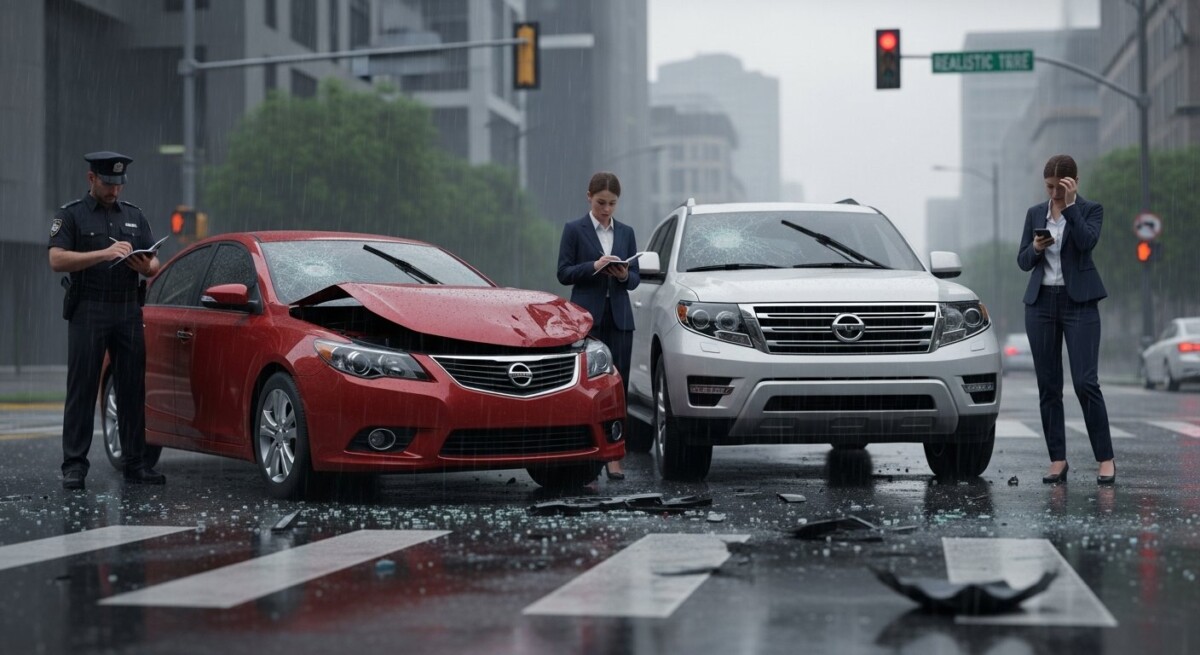
Accidents involving multiple vehicles, commercial trucks, or government vehicles introduce additional layers of liability. In a chain-reaction crash, each driver may bear some fault. Commercial truck accidents often involve the trucking company, the driver, and possibly the manufacturer if a mechanical defect caused the crash. Government vehicles may require filing a claim with the appropriate government agency under strict deadlines. In these scenarios, determining who covers accident damages requires a thorough investigation of each party’s insurance policies and potential legal liability.
Pedestrians and cyclists hit by vehicles are usually covered by the driver’s liability insurance. If the driver flees or has no insurance, the victim’s own UM coverage or a state victim compensation fund may provide relief. Passengers in a vehicle can file claims against the at-fault driver’s insurance or the driver of the vehicle they were riding in, depending on who caused the crash.
Steps to Take After an Accident to Secure Coverage
Taking the right steps immediately after a crash can make the difference between a smooth claim and a denied one. Follow these steps to protect your right to compensation:
- Check for injuries and call 911. Request a police report, as it documents fault and witness statements.
- Exchange insurance and contact information with all involved drivers. Take photos of the scene, vehicle damage, and road conditions.
- Notify your own insurance company as soon as possible. Delaying can jeopardize coverage or raise suspicions.
- Seek medical attention even if you feel fine. Some injuries like whiplash appear hours or days later.
- Consult a personal injury attorney before signing any settlement offers. Insurers often try to settle quickly for less than you deserve.
Following these steps creates a clear paper trail that insurers and attorneys can use to assign liability. Without documentation, you may struggle to prove the other driver was at fault, especially if they deny responsibility.
What Happens When Insurance Is Not Enough
Sometimes the at-fault driver has no insurance, minimal coverage, or the damages exceed policy limits. In these cases, victims often wonder who covers accident damages beyond insurance. One option is to file a lawsuit against the at-fault driver personally. However, if the driver has few assets, collecting a judgment can be difficult. Another option is to use your own UM/UIM coverage or health insurance to cover remaining medical costs. If you have MedPay or personal injury protection (PIP), those policies can pay for medical expenses without regard to fault.
For severe accidents involving catastrophic injuries, the total damages can reach hundreds of thousands of dollars. At this point, an experienced attorney can help identify all available sources of compensation, including umbrella policies, employer liability if the driver was working, or product liability claims against vehicle manufacturers. Our platform connects you with seasoned attorneys who can navigate these complex cases.
Frequently Asked Questions
What happens if the at-fault driver has no insurance?
If the other driver is uninsured, your own uninsured motorist coverage can pay for your medical bills and property damage. If you do not have UM coverage, you may need to pay out of pocket or sue the driver personally. Some states also have victim compensation programs for hit-and-run or uninsured driver accidents.
Does my health insurance cover accident injuries?
Yes, your health insurance typically covers accident-related medical treatment. However, your health insurer may seek reimbursement from any settlement or judgment you receive from the at-fault party. This is called subrogation. It is important to coordinate with your auto insurance and attorney to avoid surprise bills.
How long do I have to file a claim for accident damages?
The statute of limitations varies by state, ranging from one to six years for personal injury claims. Property damage claims often have separate deadlines. Missing the deadline can bar you from recovering any compensation. Check with a local attorney as soon as possible after the accident.
Can I claim accident damages if I was partially at fault?
Yes, in most states you can still recover damages if you were partially at fault, but your compensation will be reduced by your percentage of fault. In pure comparative negligence states, you can recover even if you were 99 percent at fault. In modified comparative negligence states, you are barred if you are 50 or 51 percent at fault. A few states follow contributory negligence, which bars recovery if you are even 1 percent at fault.
Getting Professional Help to Maximize Your Recovery
Navigating the question of who covers accident damages can feel overwhelming, especially when you are recovering from injuries. Insurance companies have teams of adjusters and lawyers working to minimize payouts. You do not have to face them alone. A skilled personal injury attorney can investigate the crash, negotiate with insurers, and take your case to court if necessary. Many attorneys offer free consultations and work on a contingency fee basis, meaning you pay nothing unless they recover money for you. If you have been in an accident, contact our team at 855-545-2917 to discuss your case and explore your options for full compensation.