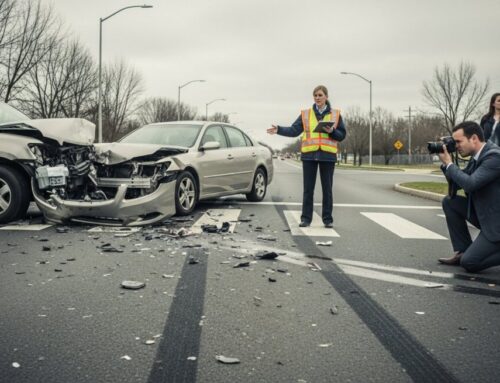
What Happens If Accident Damages Car: Key Steps

Being involved in a car accident is stressful, and the moments after a crash can leave you feeling overwhelmed. One of the first questions that comes to mind is what happens if accident damages car in terms of repairs, insurance claims, and legal responsibility. The answer is not always straightforward, as it depends on factors like fault, your insurance coverage, and the extent of the damage. Understanding the process from the moment of impact through the final settlement can help you avoid costly mistakes and ensure you receive fair compensation.
When your vehicle sustains damage, your immediate actions can significantly influence the outcome. This includes whether the other driver was at fault, how you document the scene, and how you communicate with insurance adjusters. The legal landscape can be complex, especially when dealing with serious injuries or disputes over liability. Our team at CarInjuryAccident helps people navigate these challenges every day, connecting them with experienced attorneys who understand the nuances of auto accident claims.
Immediate Steps After an Accident Damages Your Car
The first priority after a collision is safety. If possible, move your vehicle to a safe location away from traffic. Turn on hazard lights and check for injuries. Call 911 immediately if anyone is hurt, even if the injury seems minor. Law enforcement will create an official accident report, which is a critical document for your insurance claim and any potential legal action.
Next, exchange information with the other driver. Collect their name, phone number, insurance company, policy number, and license plate number. Also, gather contact details from any witnesses. Do not discuss fault or make statements about what happened beyond the basic facts. Admitting fault, even casually, can be used against you later. It is wise to contact a legal professional early in this process. In our guide on what happens when someone hits your car, we outline the exact steps to protect your rights from the very beginning.
Document the scene thoroughly. Take photos and videos of all vehicles involved, showing the damage from multiple angles. Include shots of the surrounding area, road conditions, traffic signs, and weather. This visual evidence helps establish the context of the accident and can be invaluable when proving fault. If you have a dashcam, save the footage immediately.
Insurance Claims: Who Pays for the Damage?
Determining who pays for repairs depends largely on the type of insurance coverage you carry and who was at fault. In most states, the at-fault driver’s liability insurance covers the other party’s vehicle damage and medical expenses. If the other driver is at fault, you file a claim with their insurance company. However, this process can be slow, and the adjuster may try to minimize the payout.
If you have collision coverage on your own policy, you can file a claim with your own insurer regardless of fault. This can speed up repairs, but you will typically have to pay your deductible upfront. Your insurance company may then seek reimbursement (subrogation) from the at-fault driver’s insurer. For those with only liability coverage, if you are at fault, your insurance will pay for the other party’s damages but not your own. This is why understanding your policy limits is essential before an accident happens.
Filing a Third-Party Claim
When the other driver is at fault, you file a third-party claim against their liability insurance. The process involves several steps:
- Notify the at-fault driver’s insurance company as soon as possible. Provide them with the claim number from the police report and your documented evidence.
- Work with an adjuster who will inspect your vehicle and estimate repair costs. You have the right to choose your own repair shop, so do not feel pressured to use one recommended by the insurer.
- Negotiate the settlement. If the adjuster’s offer is too low, you can provide your own repair estimates from independent shops to support a higher amount.
If the at-fault driver is uninsured or underinsured, you may need to rely on your own uninsured/underinsured motorist coverage. This is an optional coverage in many states, but it can be a lifesaver when the other driver lacks sufficient insurance. An attorney can help you navigate these negotiations and ensure you are not shortchanged.
What Happens If the Car Is Totaled?
When repair costs exceed a certain percentage of the vehicle’s value (typically 70-80% in most states), the insurance company will declare it a total loss. In this case, what happens if accident damages car beyond repair is that the insurer pays you the actual cash value (ACV) of the vehicle minus your deductible. ACV is calculated based on the car’s age, mileage, condition, and market value before the accident, not what you paid for it or what it would cost to replace it new.
You can negotiate the ACV amount if you believe it is too low. Provide evidence such as recent sales listings for similar vehicles, maintenance records, and a pre-accident appraisal. If you have gap insurance (common for financed or leased vehicles), it covers the difference between the ACV and what you still owe on the loan. Without gap insurance, you could be left paying off a loan for a car you no longer have.
Once the claim is settled, the insurance company takes possession of the totaled vehicle. You may have the option to buy it back for salvage value if you want to repair it yourself or sell it for parts. However, a salvaged title can significantly reduce the car’s resale value, so weigh this decision carefully.
Legal Considerations and Attorney Involvement
If the accident involved serious injuries, disputed liability, or an insurance company acting in bad faith, you may need legal representation. An attorney can handle communications with insurers, gather expert evidence, and file a lawsuit if necessary. They work on a contingency fee basis, meaning you pay nothing upfront and they only get paid if you win. The car accident attorney payment structure is designed to make legal help accessible even when you are facing financial strain after a crash.
You should also be aware of the statute of limitations in your state. This is the deadline for filing a personal injury lawsuit. It varies from one to six years depending on the state, but most are around two years. Missing this deadline can bar you from recovering any compensation. An attorney ensures all paperwork is filed on time and that your case is built on solid legal ground.
If you are concerned about the fees involved, it helps to understand the car accident lawyer percentage fee. Most attorneys take 33-40% of the settlement or verdict, but this percentage is negotiable and often depends on the complexity of the case. Many offer free initial consultations, so you can discuss your situation without any financial commitment.
Repair Process and Rental Car Coverage
After the insurance claim is approved, you can proceed with repairs. Choose a reputable repair shop and obtain a detailed estimate. The insurance company may require a second inspection before authorizing work. Once repairs begin, the timeline depends on the extent of damage and parts availability. Minor repairs might take a few days, while major structural damage can take weeks.
Rental car coverage is an important add-on to your auto policy. If you have it, your insurer will pay for a rental vehicle while yours is being repaired. If the other driver is at fault, their insurance should cover a rental car. Keep all receipts for rental expenses, as these are part of your overall claim. Without this coverage, you may have to pay out of pocket for alternative transportation.
Diminished Value: What You Might Not Know
Even after your car is fully repaired, its market value may be lower because it now has an accident history. This is called diminished value. You can file a diminished value claim against the at-fault driver’s insurance company to recover this loss. Not all states allow this, and it can be challenging to prove, but it is worth exploring if your car was relatively new or had a clean title before the accident.
To calculate diminished value, you typically need an appraisal from a professional. The formula often involves the pre-accident value, the severity of damage, and the mileage. Insurance companies may resist paying these claims, so having an attorney or independent appraiser on your side can make a difference.
Frequently Asked Questions
What happens if the accident damages my car but I am not at fault?
If the other driver is at fault, their liability insurance should cover your repair costs. You file a claim with their insurer, and they pay for damages up to their policy limits. If they are uninsured, your own uninsured motorist coverage may apply.
Do I have to pay my deductible if the other driver is at fault?
No, if you file a claim against the at-fault driver’s insurance, you do not pay a deductible. However, if you use your own collision coverage while waiting for the other insurer to pay, you will pay your deductible upfront and may be reimbursed later through subrogation.
Can I choose my own repair shop?
Yes, in most states, you have the legal right to choose where your car is repaired. Insurance companies may recommend shops, but you are not obligated to use them. Always get multiple estimates and read reviews before selecting a shop.
How long does an insurance claim take?
Simple claims with clear liability may be resolved in a few weeks. Complex claims involving injuries, disputed fault, or total losses can take months. Legal action can extend the timeline further. Patience and diligent follow-up are key.
What should I do if the insurance company denies my claim?
You can appeal the denial by providing additional evidence. If the denial is based on a dispute over fault or policy interpretation, consult an attorney. Bad faith insurance practices, such as unreasonable delays or unfair denials, may give rise to a separate legal claim.
Understanding what happens if accident damages car is the first step toward protecting your financial and legal interests. Each accident is unique, and the path to recovery requires careful documentation, clear communication with insurers, and sometimes professional legal guidance. By staying informed and proactive, you can navigate the process with confidence and secure the compensation you deserve.