How to Report a Car Accident to Police: Step-by-Step
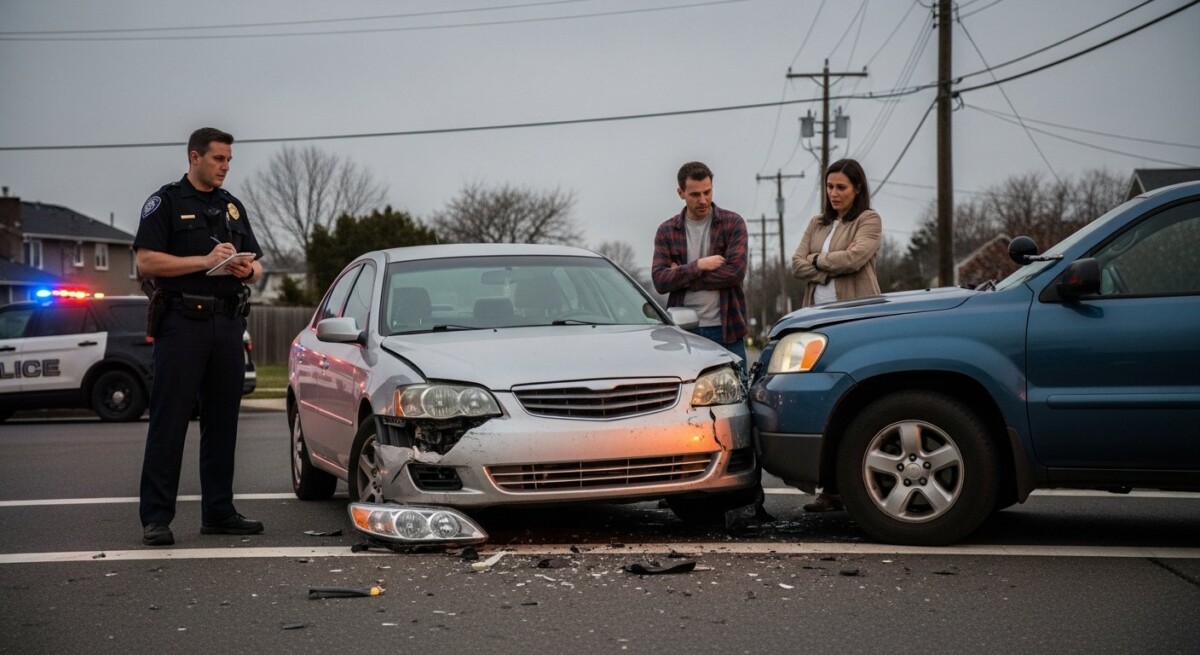
After a car accident, your mind races with questions about injuries, repairs, and insurance. One of the most critical steps in the immediate aftermath is knowing how to report car accident to police properly. This process can protect your legal rights, strengthen your insurance claim, and ensure that the official record reflects what truly happened. Many drivers hesitate, thinking a police report is optional for minor fender benders, but skipping this step can lead to disputes, delayed claims, and even legal complications.
In this guide, we break down exactly when you must call law enforcement, what information to gather, how to interact with officers, and what to do after the report is filed. Whether the accident is a minor scrape or a serious collision, understanding the reporting process is essential. If you are unsure about your next steps or need legal guidance, our team at CarInjuryAccident can connect you with an experienced attorney who can protect your interests.
When Are You Legally Required to Report a Car Accident?
Not every accident requires a police response, but many do. Each state has its own laws, but a common rule is that any accident involving injury, death, or significant property damage must be reported to local police or the state highway patrol. For example, if someone is hurt, even if they say they are fine, you should call 911 immediately. Similarly, if a vehicle is disabled and blocking traffic, or if a driver appears intoxicated, law enforcement must be involved.
In most jurisdictions, property damage thresholds are low. Some states require a report if damage exceeds $500 or $1,000, which means even a cracked bumper can trigger the legal obligation. Always err on the side of caution. If you are unsure whether the accident is reportable, call the non-emergency line of your local police department and ask. It is better to have a report that turns out to be unnecessary than to face fines or a hit-and-run charge later.
What Happens If You Do Not Report?
Failure to report an accident when required can result in penalties, including license suspension, fines, and even criminal charges in severe cases. Moreover, without a police report, your insurance company may question the validity of your claim, and the other party could file a false version of events. The report serves as an unbiased third-party account, which is invaluable during settlement negotiations or litigation.
If you have already left the scene and realize you should have called, contact the police department in the city where the accident occurred as soon as possible. Explain the situation and request guidance on filing a retroactive report. Take photos and gather witness statements immediately to support your account.
Immediate Steps Before the Police Arrive
The minutes after a crash are chaotic, but what you do before officers get there can significantly impact your case. First, ensure safety. If the vehicles are drivable and it is safe, move them to the shoulder or a nearby parking lot to avoid blocking traffic. Turn on your hazard lights and set up flares or reflective triangles if you have them. Check yourself and passengers for injuries, and call 911 if anyone needs medical attention.
Next, exchange information with the other driver, but do not discuss fault. Collect their name, phone number, driver’s license number, license plate, insurance company, and policy number. Also note the make, model, and color of their vehicle. If there are witnesses, ask for their contact details and a brief statement of what they saw. Take photos of the scene from multiple angles, including the damage to all vehicles, the positions of the cars, road conditions, traffic signs, and any skid marks.
What to Say (and Not Say) to the Police
When the officer arrives, provide your license, registration, and proof of insurance. Answer questions truthfully, but stick to the facts. Do not speculate, apologize, or admit fault. Phrases like “I didn’t see them” or “I’m sorry” can be interpreted as admissions of liability. Simply describe what happened using objective language, such as “I was stopped at the red light when the other vehicle struck my rear bumper.”
Ask the officer for the report number and how to obtain a copy. Some departments provide a preliminary report on the spot, while others require you to file a request later. Note the officer’s name and badge number. If the officer asks for your version of events, you can decline to give a detailed statement until you have consulted with an attorney, especially if the accident is serious. It is within your rights to say, “I would like to speak with my lawyer before providing a full statement.”
Information to Gather for the Police Report
A police report is more than a formality; it is a detailed document that records the accident’s circumstances. The more information you provide, the more accurate the report will be. Here is a checklist of key details to have ready:
- Full names, addresses, phone numbers, and driver’s license numbers of all drivers involved.
- Insurance policy numbers and the names of each driver’s insurance provider.
- Vehicle registration and VIN for every car involved.
- Locations of impact, direction of travel, and any traffic control devices.
- Weather conditions, road surface condition, and visibility at the time of the crash.
- Names and contact information of all passengers and witnesses.
- Any photos or videos you captured at the scene.
After the officer completes the report, review it for errors. Mistakes in the report can haunt you later, especially if they misstate facts or omit key details. If you spot an error, politely point it out and ask the officer to correct it. If the report is already filed and you discover a mistake later, contact the department’s records division to file a correction request.
How to Obtain a Copy of the Police Report
Once the report is filed, you will need a copy for your insurance claim and potential legal case. In most states, you can request a copy from the police department’s records division, either in person, by mail, or online. There is usually a small fee, ranging from $5 to $25. The report may take a few days to a few weeks to become available, depending on the department’s workload.
Insurance companies will often obtain the report themselves, but it is smart to have your own copy. If the other party’s insurer disputes liability, you can provide the report to your own insurer to support your claim. In some cases, the report may contain the officer’s opinion on who caused the accident, which can be persuasive evidence in negotiations.
Reporting the Accident to Your Insurance Company
After you have reported the accident to the police and gathered the necessary information, you must notify your insurance company. Most policies require prompt notification, and delaying could jeopardize your coverage. Call your insurer’s claims department and provide the police report number, the date and location of the accident, and the other driver’s information. Be honest and factual, but avoid admitting fault. Your insurance adjuster will investigate and determine liability based on the evidence.
Keep a record of all communications with your insurance company, including the names of representatives, dates, and summaries of conversations. If the claim becomes complicated, such as if the other driver is uninsured or disputes fault, you may benefit from legal advice. At CarInjuryAccident, we can help you understand your policy and connect you with an attorney who can negotiate with the insurer on your behalf.
Common Mistakes to Avoid When Reporting an Accident
Many drivers make errors during the reporting process that can harm their case. One major mistake is leaving the scene before police arrive, which can be considered a hit-and-run even if you think the damage is minor. Another is arguing with the other driver or the officer about who is at fault. Let the evidence speak for itself.
Additionally, do not post about the accident on social media. Insurance companies and opposing counsel may monitor your accounts, and even innocent posts can be misconstrued. Do not sign any documents from the other party’s insurer without consulting an attorney. They may ask you to sign a release or give a recorded statement that could limit your recovery.
If you are unsure about any aspect of the reporting process, or if the accident involves serious injuries, you should seek legal counsel promptly. An experienced attorney can guide you through the entire claims process, from filing the police report to negotiating a fair settlement. Our article on documenting injuries after an accident provides additional tips on preserving evidence for your case.
What If the Police Do Not Show Up?
In some minor accidents, the police may not respond if there are no injuries and the vehicles are drivable. If you are told to exchange information and file a report yourself, you can do so by visiting the nearest police station or using an online reporting system if available in your jurisdiction. Many states allow you to file an accident report online, which can then be used by your insurance company.
Even without an officer at the scene, you can create your own detailed record. Take comprehensive photos, write down your version of events as soon as possible, and gather witness statements. This documentation is crucial when filing a claim. If you later need a police report for legal purposes, you can file a request with the local precinct.
How to Report an Accident as a Pedestrian or Bicyclist
If you are a pedestrian or cyclist involved in a collision, the reporting process is similar but has unique considerations. You may be more severely injured, so medical attention is the top priority. If you are able, call 911 and request both an ambulance and a police officer. Provide the officer with your account of the incident, including the vehicle’s make, model, and license plate if you saw it.
Since you may not have a driver’s license or insurance, you can still obtain a police report, which is vital for any injury claim. The report will document the driver’s information and the circumstances of the crash. If you are unable to file a report yourself due to injuries, ask a friend or family member to do so on your behalf. Our team can also assist you in connecting with a personal injury attorney who specializes in pedestrian or bicycle accidents.
Frequently Asked Questions
Do I need to call the police for a minor fender bender?
It depends on your state’s laws and the extent of damage. Many states require reporting if damage exceeds a certain amount or if there are injuries. Even if not required, calling the police can protect you from false claims and provide an official record. If you are unsure, call the non-emergency number and ask.
What if the other driver leaves the scene before police arrive?
Do not chase them. Instead, write down their license plate number and description of the vehicle, and report the hit-and-run to the police immediately. Your insurance company may cover the damage under uninsured motorist coverage. An attorney can help you explore your options.
Can I file a police report after leaving the scene?
Yes, you can file a report after the fact, but you should do so as soon as possible. Contact the police department where the accident occurred and explain that you need to file a report. Provide as much detail as you can remember, including photos and witness information.
How much does it cost to get a copy of a police report?
Fees vary by jurisdiction, typically ranging from $5 to $25. Some departments offer free online access to accident reports. Check the department’s website or call the records division for specific pricing.
After you have reported the accident to the police and your insurance company, you may feel overwhelmed by the next steps. If you are facing mounting medical bills, lost wages, or disputes with the insurer, you do not have to navigate this alone. Our platform at CarInjuryAccident connects you with attorneys who fight for your rights. Call us at 855-545-2917 for a free consultation.
Knowing how to report car accident to police is a critical skill that can save you from legal headaches and financial strain. The process is straightforward when you follow the steps outlined above: ensure safety, call 911, gather information, cooperate with officers, and obtain the report. Always prioritize your health and seek medical attention even if you feel fine, as some injuries appear days later.
If you have been in an accident, do not wait to take action. The sooner you report it, the stronger your case will be. For more guidance on what to do after a crash, read our article on finding the right car crash lawyer near you. And when your insurance claim becomes complicated, remember that you can learn how long insurance takes to settle a claim and what affects the timeline. Take control of your recovery today.