
Boating Under the Influence Charges and How They Differ from DUI
Boating under the influence charges and how they differ from DUI explained. Call (855)-545-2917 for a free case review and protect your rights.

By Draven Nyro
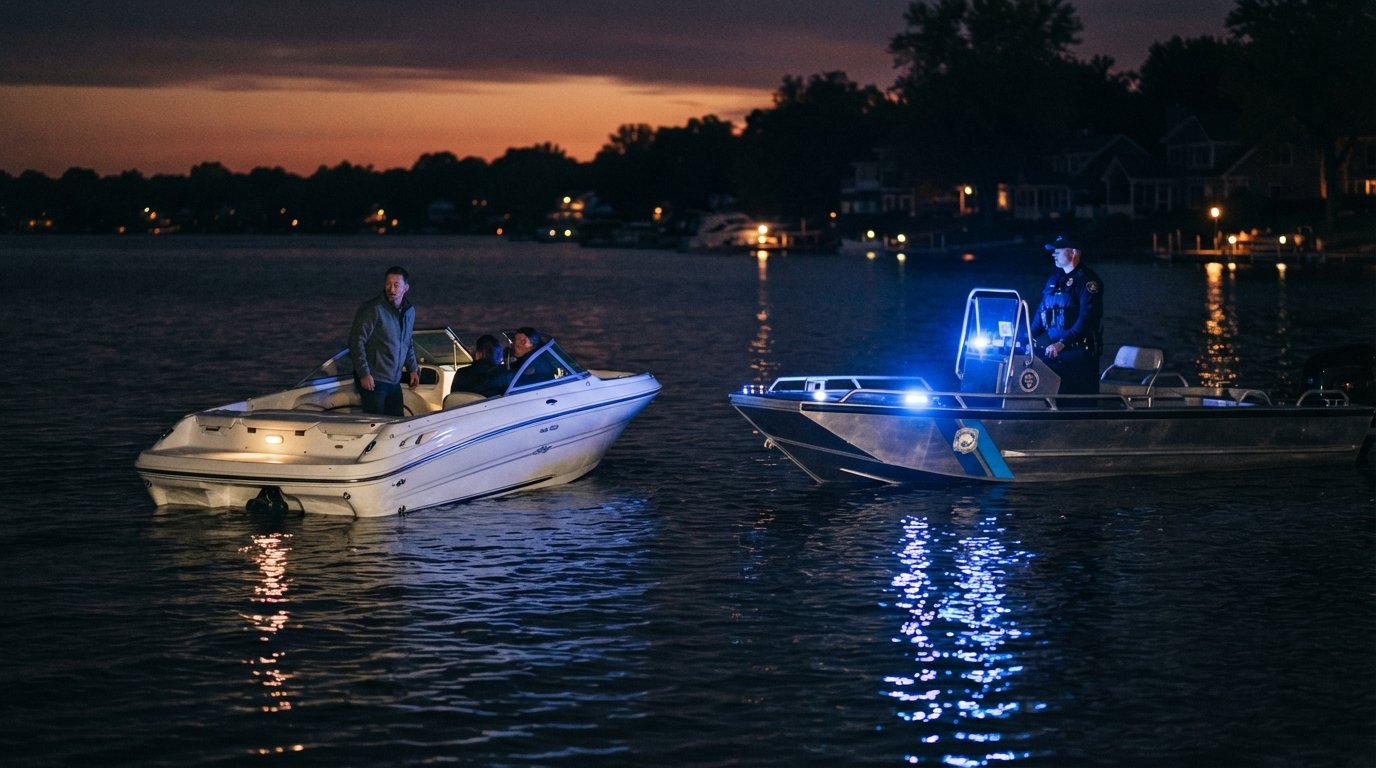
Imagine the sun setting over the water, the hum of the engine, and the feeling of freedom that comes with a day on the boat. Now imagine flashing blue lights on the water and a marine patrol officer asking you to submit to a sobriety test. For many boaters, the possibility of facing boating under the influence (BUI) charges never crosses their mind until it happens. Yet BUI arrests are on the rise, and the legal consequences can be just as severe as those for driving under the influence (DUI) on land. Understanding the differences between BUI and DUI is critical, whether you are a recreational boater, a commercial operator, or someone who has already been charged. This article breaks down the statutes, penalties, and defense strategies unique to boating under the influence charges and how they differ from DUI, so you can protect your rights and make informed decisions.
What Is Boating Under the Influence (BUI)?
Boating under the influence, often abbreviated as BUI or OUI (operating under the influence), refers to operating a watercraft while impaired by alcohol or drugs. Every state has its own BUI statute, but the core concept is similar to DUI: it is illegal to operate a vessel when your blood alcohol concentration (BAC) exceeds the legal limit or when your ability to operate is impaired. However, the specifics can vary significantly from DUI laws, starting with the legal BAC threshold and the definition of "vessel."
In most states, the legal BAC limit for recreational boaters is 0.08%, matching the standard DUI limit for drivers over 21. However, some states impose a lower limit (0.04%) for commercial operators or for those operating certain types of vessels. For boaters under 21, many states enforce a zero-tolerance policy, meaning any detectable BAC can lead to charges. Additionally, BUI laws often apply to a wide range of watercraft, including motorboats, sailboats, personal watercraft (jet skis), and even non-motorized vessels like canoes and kayaks if they are underway. This broad definition means that even a paddleboarder could face BUI charges in some jurisdictions.
Another key difference is the concept of "implied consent" on waterways. Just as drivers implicitly consent to chemical testing when they obtain a driver's license, many states have enacted implied consent laws for boaters. By operating a vessel on state waters, you may be deemed to have consented to a breath, blood, or urine test if an officer suspects you are impaired. Refusing a test can result in civil penalties, such as fines or license suspensions, even if you are not convicted of BUI. However, the consequences of refusal vary by state, and in some cases, a refusal can be used against you in court.
Key Differences Between BUI and DUI Charges
While BUI and DUI share the goal of preventing impaired operation, they diverge in several important areas. Understanding these differences is essential for anyone facing charges or simply trying to stay compliant with the law. From the legal definitions to the practical enforcement, the distinctions can affect your defense strategy and the potential penalties you face.
Legal Definitions and Jurisdictional Authority
DUI laws are typically enforced by state and local police on public roads, and the legal definitions are well-established. BUI laws, on the other hand, are enforced by specialized marine patrols, the U.S. Coast Guard, or other waterway authorities. The jurisdiction can be complex: federal waters, state waters, and even private lakes may have different rules. For example, the U.S. Coast Guard enforces federal BUI laws on navigable waters, while state officers enforce state statutes. This overlapping authority can lead to confusion about which law applies and what penalties you might face.
Moreover, the definition of "operating" a vessel can be broader than "driving" a car. In some states, you can be charged with BUI even if the boat is anchored or drifting, as long as you are in a position to control it. This is similar to DUI laws that cover being in physical control of a vehicle, but the maritime context can make the line blurrier. For instance, if you are sleeping on your boat with the engine off, you might still be considered in operation if you have the keys and are in a position to start the vessel.
BAC Thresholds and Testing Procedures
As mentioned, the standard BAC limit for recreational boaters is 0.08% in most states, but there are notable exceptions. Commercial operators often face a lower limit of 0.04%, and some states have stricter limits for those under 21. In contrast, DUI laws for non-commercial drivers are more uniform across the country, with 0.08% being the near-universal standard. This difference can catch boaters off guard, especially commercial fishermen or charter captains who may not realize they are held to a stricter standard.
Testing procedures also differ. On the water, officers may use portable breath tests (PBTs) for preliminary screening, but evidentiary breath tests and blood draws are typically conducted on land at a police station or medical facility. The delay between the stop and the actual test can be longer on the water, which may affect the accuracy of the results. Additionally, the marine environment can complicate field sobriety tests, which we will discuss later.
Impact on Driver's License and Driving Record
One of the most common questions about BUI is whether it affects your driver's license. The answer is: it depends on the state. In many states, a BUI conviction does not automatically result in a driver's license suspension because the offense is not considered a traffic violation. However, some states do impose license consequences for BUI, especially if you are under 21 or if the offense involves a motor vehicle. For example, in California, a BUI conviction can lead to a suspension of your driver's license if you are under 21, but for adults, the impact is typically limited to boating privileges.
That said, a BUI can still appear on your criminal record, and it may be visible to insurance companies or employers. It can also affect your ability to operate a boat in the future, as some states impose boating privilege suspensions or revocations. In contrast, a DUI conviction almost always results in a driver's license suspension, as well as higher insurance rates and other collateral consequences. If you are facing a DUI charge, you may want to understand the consequences of driving on a suspended license after DUI, which can compound your legal troubles.
Field Sobriety Testing on Boats
Field sobriety tests (FSTs) are a staple of DUI enforcement, but they are far more challenging on a boat. The rocking motion of the vessel, the wind, and the sun can all affect a boater's balance and coordination, making it difficult to perform standardized tests like the walk-and-turn or the one-leg stand. As a result, many officers rely on other indicators, such as slurred speech, bloodshot eyes, or the odor of alcohol, to establish probable cause. However, these subjective observations are more susceptible to challenge in court.
Some agencies use a seated battery of tests, such as the horizontal gaze nystagmus (HGN) test, which can be administered while seated. But even the HGN test can be affected by the marine environment, such as glare from the water. Defense attorneys often argue that the conditions on the water make FSTs unreliable, and courts may give less weight to these tests in BUI cases. This is a significant difference from DUI cases, where FSTs are more standardized and often video-recorded.
Penalties for BUI: What You Need to Know
The penalties for BUI can be severe, especially if there are aggravating factors such as an accident, injury, or a minor on board. While the specific penalties vary by state, there are common themes. A first-time BUI offense is typically a misdemeanor, punishable by fines, jail time (often suspended), probation, and mandatory boating safety courses. Fines can range from a few hundred to several thousand dollars, and jail sentences can be up to six months or more. In some states, a BUI conviction can also lead to the suspension of your boating privileges for a period of time.
If a BUI involves an accident that causes injury or death, the charges can be elevated to a felony. For example, in Florida, a BUI manslaughter charge carries a mandatory minimum sentence of four years in prison and a fine of up to $10,000. Similarly, if a minor is on board, many states impose enhanced penalties, including mandatory jail time and higher fines. These aggravated penalties reflect the increased danger posed by impaired boating, especially when children are present.
Beyond the criminal penalties, a BUI conviction can have collateral consequences. It may affect your ability to obtain or renew a boating license, and it can be used against you in civil lawsuits if you cause an accident. Insurance companies may also raise your premiums or deny coverage for boating-related incidents. For those who rely on boating for their livelihood, such as commercial fishermen or charter captains, a BUI conviction can be devastating.
Defense Strategies Unique to Marine Enforcement Stops
Defending a BUI charge requires a different approach than defending a DUI. The marine environment introduces a host of variables that can affect the legality of the stop, the accuracy of the tests, and the reliability of the evidence. An experienced attorney will scrutinize every aspect of the case, from the initial stop to the chemical testing.
One key area is the legality of the stop itself. Marine patrol officers must have reasonable suspicion or probable cause to stop a vessel, just like police officers on land. However, the rules for stopping a boat can be more flexible due to safety inspections and regulatory checks. For example, officers can stop a vessel to conduct a safety inspection, and during that inspection, they may develop probable cause for a BUI investigation. If the stop was pretextual or lacked a valid basis, evidence obtained during the stop may be suppressed.
Another defense strategy focuses on the reliability of field sobriety tests. As noted, the motion of the boat can invalidate standardized tests, and an attorney can challenge the officer's observations and the administration of the tests. Additionally, the delay in obtaining a chemical test can be challenged, as alcohol metabolizes over time and the BAC at the time of operation may be different from the BAC at the time of testing. This is known as the "rising alcohol defense" or "metabolism defense," and it can create reasonable doubt.
If you are facing BUI charges, it is crucial to consult with an attorney who understands the nuances of maritime law and DUI defense. The attorneys at CarInjuryAccident.com can connect you with legal professionals who specialize in these cases. If you are a law firm looking to reach potential clients, consider AttorneyLeads for exclusive, pre-screened legal leads in DUI and other practice areas.
How BUI Charges Can Affect Your Future
A BUI conviction can have lasting repercussions beyond the immediate fines and jail time. It can impact your employment, especially if you work in a field that requires a clean criminal record or involves boating. It can also affect your ability to travel to certain countries, as some nations have strict policies regarding DUI and BUI convictions. Additionally, a BUI on your record can be used against you in future legal proceedings, such as child custody disputes or civil lawsuits.
For those who are not U.S. citizens, a BUI conviction may have immigration consequences. While a simple BUI is generally not considered a crime involving moral turpitude, aggravated BUI charges (such as those involving injury) could potentially lead to deportation or inadmissibility. It is essential to consult with an immigration attorney if you are not a citizen and are facing BUI charges.
Steps to Take If You Are Charged with BUI
If you are arrested for BUI, the first thing to do is remain calm and cooperate with law enforcement. Do not resist arrest or argue with the officer, as this can lead to additional charges. However, you should politely decline to answer questions beyond providing your identification and basic information. Anything you say can be used against you in court.
Next, contact an experienced BUI attorney as soon as possible. The attorney can advise you on your rights, help you understand the charges, and begin building a defense. It is also important to preserve any evidence that may be helpful, such as witness statements, photographs of the scene, and any video recordings. If you submitted to a breath test, the attorney may request the maintenance records for the device to ensure it was calibrated correctly.
Finally, be aware of the deadlines for requesting a hearing to challenge any administrative actions, such as a boating privilege suspension. These deadlines are often short, so it is critical to act quickly. By taking these steps, you can protect your rights and improve your chances of a favorable outcome.
Boating under the influence charges are serious and can have far-reaching consequences. While they share some similarities with DUI, the differences in statutes, testing, and penalties make it essential to seek specialized legal advice. Whether you are a recreational boater or a commercial operator, understanding the law can help you avoid a costly mistake. If you have been charged with BUI, reach out to a qualified attorney today to discuss your options and safeguard your future.