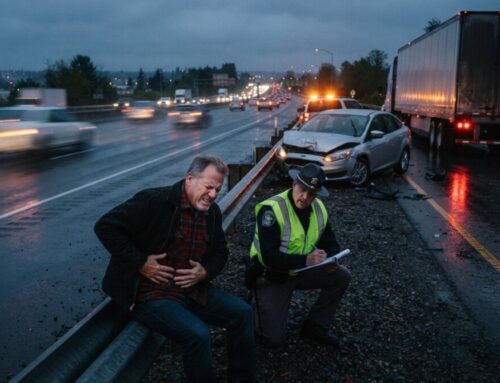
Can You Reopen an Accident Claim After Settlement

Many people accept a settlement for their car accident claim believing the case is permanently closed. But circumstances change. New medical symptoms appear, hidden vehicle damage surfaces, or the long-term cost of rehabilitation becomes clear only months later. If you find yourself wondering whether you can reopen an accident claim after signing a release, the answer is rarely simple. However, there are specific legal pathways that may allow you to revisit a closed claim depending on the state, the terms of your agreement, and the timing of your request.
Understanding when and how a claim can be reopened requires knowing the difference between a settlement agreement and a court judgment. A settlement agreement is a private contract between you and the insurance company. Once signed, it usually waives your right to pursue further compensation from that insurer. A court judgment, on the other hand, is a final order from a judge. Reopening a judgment involves filing a motion with the court, which is governed by strict rules and deadlines. This article breaks down the key scenarios where reopening may be possible, the legal hurdles you will face, and the steps you can take if you believe your claim was settled unfairly.
When Can You Reopen an Accident Claim
Reopening an accident claim is not a routine process. Most settlements are final. Insurance companies draft release forms that explicitly state you give up all future claims related to the accident. However, there are three major exceptions that may allow you to reopen a claim: fraud, mutual mistake, and newly discovered evidence. Each exception requires you to present clear and convincing proof to the insurance company or the court.
Fraud occurs if the insurance company knowingly withheld information or misrepresented the value of your claim. For example, if an adjuster told you that your medical records showed no long-term injury but later you discover the adjuster had a medical opinion stating otherwise, that could constitute fraud. Mutual mistake happens when both you and the insurer were wrong about a fundamental fact at the time of settlement. A classic example is settling based on a preliminary diagnosis that later turns out to be a permanent disability. Newly discovered evidence refers to information that was not available before the settlement and directly affects the value of the claim. This might include a surveillance video showing the at-fault driver texting at the moment of impact, which was not produced during the original negotiation.
If you believe one of these exceptions applies, you should contact an attorney immediately. Most states impose a statute of limitations on motions to set aside a settlement, often ranging from six months to two years from the date of the settlement. Waiting too long can permanently bar you from reopening the claim.
Reopening a Claim Before Signing a Release
The best time to reopen an accident claim is before you sign a final release. If you have not yet signed a release, you are still in the negotiation phase. You can simply decline the settlement offer and continue negotiating. However, if you have already accepted a payment but have not signed a release, you may still be able to return the check and reopen negotiations. Insurance companies often treat cashing a settlement check as acceptance of the terms, so you should not deposit the check if you want to reopen the claim.
If you are still within the negotiation period, you can request additional medical evaluations, obtain updated repair estimates, or hire a specialist to assess long-term care needs. For example, if you suffered a soft tissue injury that initially seemed minor but has now developed into chronic pain, you can ask your doctor for a new prognosis and submit that to the adjuster. The insurance company is not required to accept the new evidence, but it gives you leverage to demand a higher settlement. In our guide on navigating an Uber accident claim, we explain how specialized legal representation can help you avoid premature settlements and maximize your recovery.
Reopening a Claim After a Court Judgment
If your case went to trial and resulted in a judgment, reopening is even more difficult. Courts have broad discretion to set aside a judgment under Rule 60(b) of the Federal Rules of Civil Procedure or equivalent state rules. Common grounds for reopening a judgment include mistake, inadvertence, surprise, excusable neglect, newly discovered evidence, fraud, or the judgment being void. You must file a motion with the court that issued the judgment, and you typically have one year from the date of the judgment for most grounds.
For example, if you were in a coma during part of the litigation and your attorney failed to present critical evidence, the court might find excusable neglect and allow the case to be reopened. Similarly, if you discover after trial that the other driver was intoxicated but the test results were never disclosed, that could be grounds for fraud. However, courts are cautious about reopening judgments because finality is a cornerstone of the legal system. You will need to present strong evidence and a compelling explanation for why the issue was not raised earlier.
Reopening a Claim Due to Late-Emerging Injuries
One of the most common reasons people want to reopen an accident claim is delayed injury discovery. Some injuries, such as traumatic brain injuries, spinal cord damage, or internal bleeding, may not show symptoms for weeks or months. If you settled your claim before these injuries were diagnosed, you might feel trapped by the release you signed. Unfortunately, most settlement agreements explicitly cover all known and unknown injuries. This is why personal injury attorneys often advise clients to wait until they reach maximum medical improvement before settling.
There is a narrow exception for late-emerging injuries if you can prove that the injury was caused by the accident and that the insurance company knew or should have known about the risk. For instance, if the adjuster had access to medical literature showing that whiplash can lead to chronic pain syndromes but did not disclose that risk during negotiations, you may have a claim for bad faith. Bad faith insurance practices can provide a separate cause of action that allows you to sue the insurer for damages beyond the original settlement. For more on how this applies to rideshare accidents, see our article on navigating a rideshare accident claim.
Steps to Take If You Want to Reopen a Claim
If you believe you have grounds to reopen your accident claim, follow these steps carefully. The process requires precision and documentation.
- Gather all original documents. Locate your settlement agreement, release forms, medical records, police reports, and correspondence with the insurance company. These documents will show what information was available at the time of settlement.
- Obtain new medical evidence. Visit your doctor for a current evaluation. Ask for a written opinion that connects your new symptoms to the accident and explains why the condition could not have been diagnosed earlier.
- Consult an attorney. Personal injury law is complex, and reopening a claim requires a lawyer who understands your state’s rules on settlements and judgments. Many attorneys offer free consultations and can evaluate whether you have a viable case.
- Send a written demand to the insurance company. Your attorney will draft a letter explaining the new evidence or legal basis for reopening the claim. The letter should request that the insurer set aside the release and negotiate a new settlement.
- File a motion with the court if necessary. If the insurance company refuses, your attorney may file a motion to set aside the settlement or judgment. This is a formal legal proceeding that requires a hearing before a judge.
Each step carries risks. If you reopen a claim and lose, you could end up with less than the original settlement. However, if the new evidence is strong, you may secure a significantly higher payout that covers your true medical costs and lost wages.
Statute of Limitations and Time Constraints
Time is the most critical factor when considering reopening an accident claim. The statute of limitations for filing a motion to set aside a settlement varies by state. In some states, you have only six months from the date of the settlement. In others, you may have up to three years if fraud is involved. Additionally, if you are trying to reopen a court judgment, the federal rule allows one year for most grounds, but some states are shorter.
There is also a practical time constraint: the longer you wait, the harder it becomes to gather evidence. Witnesses move, memories fade, and medical records may be destroyed. Insurance companies also become more resistant to reopening claims that are several years old. If you are considering reopening your claim, do not delay. Contact an attorney as soon as you discover the new information or realize the settlement was inadequate.
Frequently Asked Questions
Can I reopen an accident claim if I signed a release?
Generally, no. A signed release is a binding contract that waives your right to future claims. However, you may be able to reopen the claim if you can prove fraud, mutual mistake, or newly discovered evidence. Consult an attorney to evaluate your situation.
How long do I have to reopen a car accident settlement?
The deadline varies by state. Most states allow six months to two years from the date of settlement for filing a motion to set aside. For fraud cases, the deadline may be longer. Check with a local attorney for your state’s specific rules.
Can I reopen a claim if my injuries get worse after settlement?
It is difficult but not impossible. You must prove that the worsening condition was caused by the accident and that the insurer knew or should have known about the risk. Bad faith insurance claims may provide an alternative legal path.
Do I need a lawyer to reopen an accident claim?
Yes. Reopening a claim involves complex legal arguments, strict deadlines, and formal court procedures. An experienced personal injury attorney can gather the necessary evidence, draft legal documents, and represent you in negotiations or court.
What happens if the insurance company refuses to reopen my claim?
If the insurer refuses, your attorney can file a motion with the court to set aside the settlement. If the court grants the motion, the case is reopened and you can pursue a new settlement or trial. If the court denies the motion, the original settlement stands.
For more information on how legal representation can affect your case, see our guide on navigating a Lyft accident claim.
Reopening an accident claim is a challenging legal process that requires strong evidence and experienced advocacy. While most settlements are final, the law provides limited opportunities to correct injustices caused by fraud, mistake, or hidden information. If you suspect your settlement was unfair, do not assume you are stuck. Speak with a qualified personal injury attorney who can review your case and advise you on the best path forward. The sooner you act, the greater your chances of securing the compensation you deserve.