What Is Accident Liability: Key Legal Facts Explained
When a car crash or slip-and-fall turns your life upside down, one question often dominates: who pays for the damage? The answer lies in a legal concept called accident liability. Accident liability determines which party is legally responsible for an incident and, consequently, who must compensate the injured person for medical bills, lost wages, and pain and suffering. Without a clear understanding of this principle, victims may accept unfair settlements or miss out on compensation entirely. This article breaks down the core elements of accident liability, how fault is assigned, and what steps you can take to protect your rights after an injury.
What Is Accident Liability in Simple Terms?
At its core, accident liability is the legal obligation to pay for damages resulting from an accident. It is not always about who physically caused the crash or fall. Instead, liability hinges on who acted negligently or failed to act reasonably under the circumstances. For example, a driver who runs a red light and hits another car is likely liable because their conduct fell below the standard of care expected of a reasonable driver. Similarly, a store owner who leaves a wet floor without a warning sign may be liable if a customer slips and gets hurt.
Liability can be shared among multiple parties. In some states, if you are 20 percent at fault for an accident, your compensation may be reduced by that percentage. In others, any fault on your part can bar you from recovering anything. Understanding the specific liability rules in your jurisdiction is critical, which is why consulting with experienced attorneys is often the first step after a serious incident. At CarInjuryAccident, our network of seasoned personal injury lawyers can help you navigate these nuances and fight for maximum compensation.
How Is Fault Determined in an Accident?
Determining fault is a fact-intensive process that relies on evidence, witness statements, police reports, and sometimes expert testimony. Insurance adjusters and courts look at whether a party breached a duty of care. For instance, a driver has a duty to obey traffic laws and drive attentively. If they texted behind the wheel and caused a crash, they breached that duty. The injured party must then prove that this breach directly caused their injuries and resulting damages.
Key Factors That Influence Fault
Several elements can shift or share liability in an accident:
- Negligence: Failure to act as a reasonably prudent person would under similar circumstances. Examples include speeding, running stop signs, or failing to maintain safe premises.
- Comparative fault: Some states reduce your compensation by your percentage of fault. If you were jaywalking when hit by a speeding car, you might be 30 percent at fault, reducing your award by 30 percent.
- Contributory negligence: A stricter rule used in a few states (e.g., Alabama and Virginia) that bars recovery if you are even 1 percent at fault.
- Statutory violations: Breaking a law (e.g., driving under the influence) can create a presumption of negligence or even strict liability in some cases.
After evaluating these factors, insurance companies often assign a percentage of fault to each party. This percentage directly affects how much money you receive. If the insurer tries to blame you unfairly, push back with evidence and legal support. Attorneys from CarInjuryAccident can pressure insurers to use fair calculations and avoid lowball offers.
Types of Accident Liability
Not all liability is the same. Depending on the circumstances, different legal theories may apply. Understanding these categories can help you predict how your case will unfold.
Negligence Liability
This is the most common form. To win a negligence claim, you must prove four elements: duty, breach, causation, and damages. For example, a doctor who misdiagnoses a broken leg (breach of duty) causing permanent nerve damage (causation) may be liable for medical costs and pain (damages). Negligence applies to car accidents, medical malpractice, slip-and-falls, and many other incidents.
Strict Liability
In some situations, a party can be held liable even without proof of negligence. Strict liability often applies to abnormally dangerous activities (like blasting with explosives) or defective products. If a car’s brake system fails due to a manufacturing defect, the automaker may be strictly liable for injuries regardless of whether they were negligent.
Vicarious Liability
Sometimes one person is held responsible for another’s actions. Employers can be vicariously liable for accidents caused by employees acting within the scope of their job. If a delivery driver hits a pedestrian while making a route, the delivery company may share liability.
What Is Accident Liability in Car Crashes?
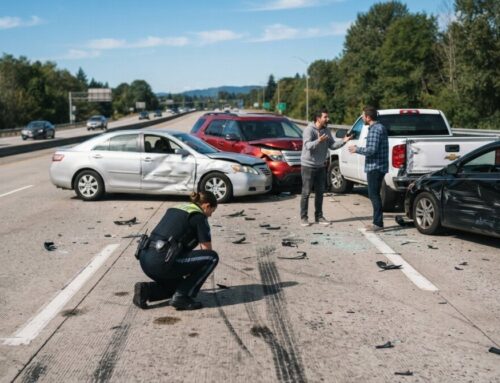
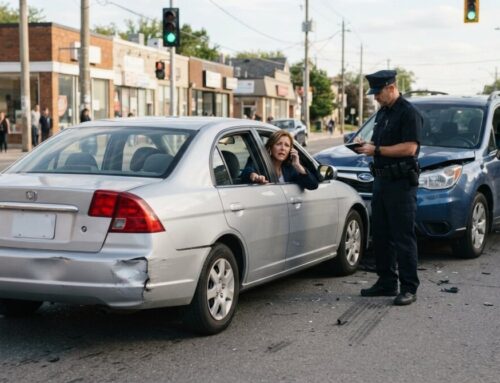
Car accidents are the most common context for liability disputes. After a crash, insurers investigate to determine who was at fault. They review police reports, photos, skid marks, and witness accounts. In some cases, liability is clear: a rear-end collision typically places fault on the following driver. In other situations, fault is contested, such as when both drivers claim the light was green.
State laws also play a role. No-fault states require each driver to turn to their own insurance for medical bills regardless of fault, though liability still applies for pain and suffering above a certain threshold. In at-fault states, the negligent driver’s insurance pays for the other party’s damages. Knowing your state’s rules can make a huge difference in your recovery strategy. Our attorneys at CarInjuryAccident can help you navigate these complex systems and ensure you receive fair treatment from insurance companies.
What Happens When Liability Is Disputed?
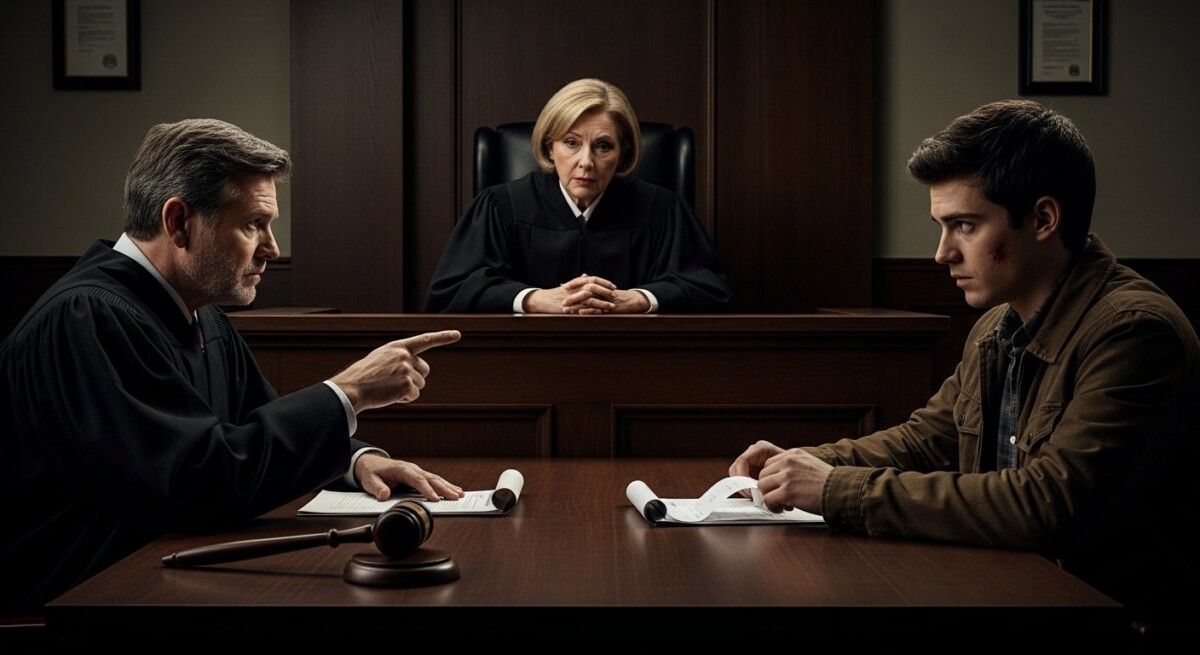
When parties disagree on who caused the accident, the case may stall or go to court. Disputes often arise when evidence is conflicting or when each driver blames the other. In such cases, a personal injury lawyer can gather additional evidence, hire accident reconstruction experts, and depose witnesses to build a strong case.
Insurance companies may use disputed liability as a reason to delay or deny claims. Do not accept their first offer if liability is unclear. Instead, let a skilled attorney negotiate on your behalf. The team at CarInjuryAccident uses a patented attorney selection process to connect you with top-rated lawyers who specialize in disputed liability cases.
How to Protect Yourself After an Accident
If you are involved in any accident, your actions in the minutes, hours, and days afterward can directly impact liability findings. Follow these steps to safeguard your claim:
- Stop and stay safe: Move to a safe location, check for injuries, and call 911 if needed.
- Document everything: Take photos of the scene, vehicle damage, skid marks, and visible injuries. Exchange contact and insurance information with the other party.
- Do not admit fault: Even a casual apology can be used against you later. Stick to factual statements with police and insurers.
- Seek medical attention: Some injuries, like whiplash or internal bleeding, may not appear immediately. A prompt medical exam creates a record linking your injuries to the accident.
- Contact a lawyer: Before speaking to an insurance adjuster, consult with a personal injury attorney who can advise you on what to say and what not to say.
Following these steps can prevent common mistakes that weaken liability claims. Many victims inadvertently harm their cases by posting about the accident on social media or accepting quick settlement offers. A lawyer from CarInjuryAccident can guide you through the entire process and help you avoid these pitfalls.
Common Defenses Against Accident Liability
Defendants and their insurers often raise defenses to reduce or eliminate their liability. Being aware of these defenses can help you prepare counterarguments:
- Assumption of risk: The defendant argues that you knew the activity was dangerous and voluntarily participated. This defense is common in sports injury cases.
- Comparative fault: The defendant claims you were partly responsible. For instance, if you were not wearing a seatbelt and suffered worse injuries, your award may be reduced.
- Sudden emergency: The defendant argues that an unexpected event (like a child darting into the street) left them no time to react, making their actions reasonable.
- Act of God: Unforeseeable natural events (like a flash flood or earthquake) may absolve a defendant of liability if they could not have prevented the accident.
Your attorney can anticipate these defenses and gather evidence to rebut them. For example, if the other driver claims a sudden emergency, surveillance footage or expert testimony may show they were speeding or distracted before the event.
Frequently Asked Questions
What is accident liability insurance?
Accident liability insurance is coverage that pays for damages you cause to others in an accident. It includes bodily injury liability and property damage liability. Most states require drivers to carry minimum liability limits.
Can I still recover if I was partially at fault?
It depends on your state’s laws. In comparative fault states, you can recover reduced damages based on your percentage of fault. In contributory negligence states, you may be barred from recovery if you share any blame. An attorney can explain how your state’s rules apply to your situation.
How long do I have to file a liability claim?
Every state has a statute of limitations for personal injury claims, typically ranging from one to six years. Missing this deadline can permanently bar your claim. Contact a lawyer promptly to ensure you do not lose your right to compensation.
Does accepting a settlement waive my right to sue?
Yes, most settlement agreements include a release of liability. Once you sign, you cannot pursue further claims for the same accident. That is why it is crucial to understand the full extent of your injuries and damages before settling.
What if the liable party has no insurance?
If the at-fault driver is uninsured or underinsured, your own uninsured/underinsured motorist coverage may step in. An attorney can help you access these benefits and explore other recovery options.
Understanding accident liability is the first step toward securing the compensation you deserve after an injury. The legal process can be complex and intimidating, especially when you are recovering from physical and emotional trauma. You do not have to face it alone. The seasoned attorneys in the CarInjuryAccident network have the experience and dedication to handle every aspect of your liability claim, from gathering evidence to negotiating with insurers. If you or a loved one has been injured, reach out today for a free consultation and let us help you pursue justice and financial recovery.