Can You Still Sue After a Car Accident? Key Facts
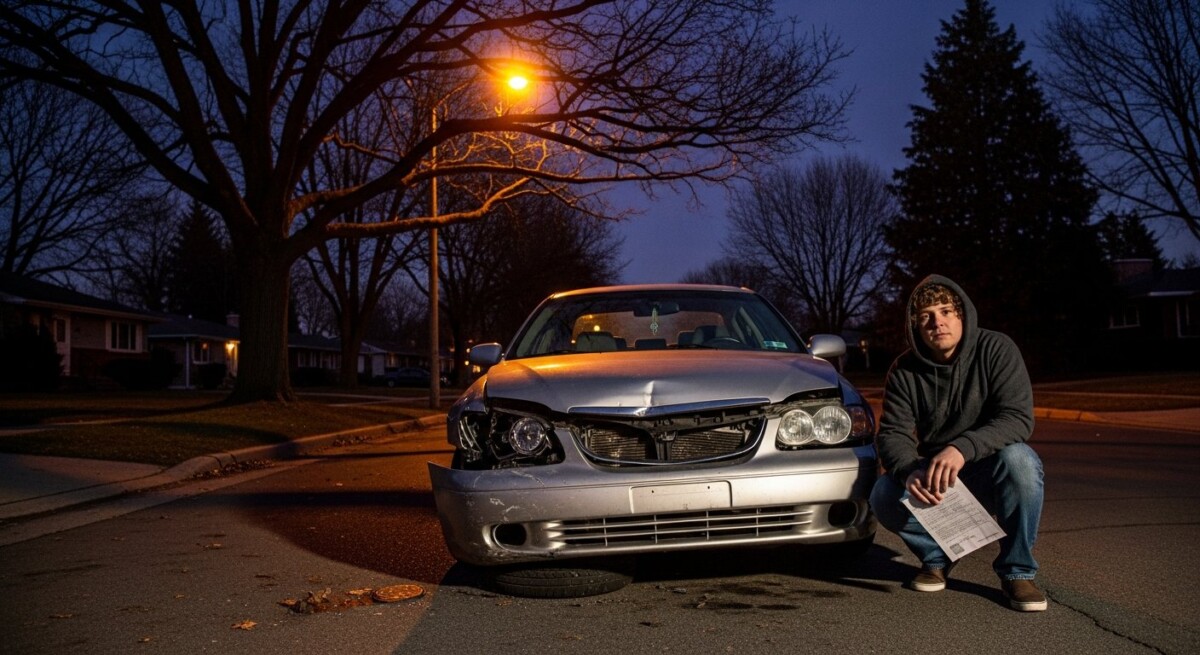
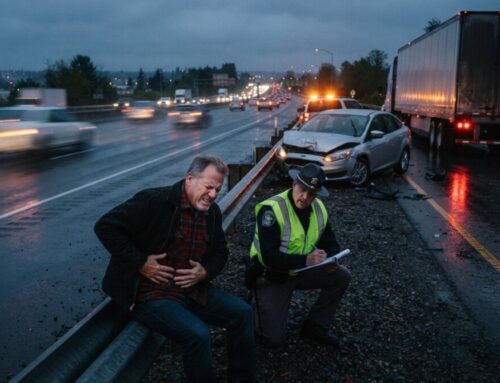
You were in a car accident, and weeks or months have passed. The pain hasn’t gone away, medical bills are piling up, and the insurance company is offering far less than you expected. A single question keeps circling in your mind: can you still sue after a car accident? The short answer is yes, but the path to filing a lawsuit is shaped by strict deadlines, insurance policies, and the nature of your injuries. Understanding these factors now can mean the difference between recovering full compensation and walking away with nothing.
Every state imposes a statute of limitations that sets a hard deadline for filing a personal injury lawsuit. Missing that window typically bars you from suing forever. But even if you are within the deadline, other obstacles can arise, such as disputes over fault, pre-existing conditions, or gaps in insurance coverage. This article walks through the legal timeline, the exceptions that can give you more time, and the practical steps you can take to protect your right to sue.
The Statute of Limitations: Your Legal Countdown
The most critical factor in answering can you still sue after a car accident is the statute of limitations for your state. This is a law that sets the maximum time you have to file a lawsuit after an accident. The clock usually starts ticking on the date of the crash. If you file even one day after the deadline, the court will almost certainly dismiss your case, no matter how serious your injuries are.
Statutes of limitations vary widely by state. Most states give you between one and six years for car accident personal injury claims. For example, California allows two years, while Kentucky gives only one year. States like Maine allow up to six years. You can check your specific state’s deadline by consulting a local attorney or reviewing your state’s civil procedure code. Do not rely on general internet searches alone, because exceptions and recent changes can apply.
If you were involved in an accident with a government vehicle, such as a city bus or a postal truck, the deadline is often much shorter. Some states require you to file a notice of claim within 90 to 180 days, and then file the actual lawsuit within one or two years. Missing the notice period can kill your case before it starts. Always ask an attorney whether the government is involved before assuming you have the standard time.
When the Clock Starts: Discovery Rule and Other Exceptions
In some situations, the statute of limitations does not begin on the accident date. The discovery rule applies when your injury is not immediately apparent. For instance, you might feel fine after a fender bender, but months later you develop chronic neck pain from a herniated disc. In states that follow the discovery rule, the clock starts when you knew or reasonably should have known that your injury was caused by the accident.
Here are common scenarios that can extend or modify the deadline:
- Delayed injury symptoms: Whiplash, traumatic brain injuries, and soft tissue damage can take weeks or months to manifest.
- Minor plaintiffs: If the injured person is a minor, the statute of limitations may be paused (tolled) until they turn 18.
- Mental incapacity: If the victim is mentally incapacitated at the time of the accident, the clock may be paused until they regain capacity.
- Absence from state: If the at-fault driver leaves the state, the deadline may be extended by the time they are absent.
These exceptions are not automatic. You must prove them with medical records, expert testimony, or other evidence. Relying on an exception without consulting an attorney is risky. Many states require you to file within a reasonable time after discovering the injury, even if the standard deadline has not expired. Delaying action can weaken your evidence and make it harder to prove causation.
Insurance Policy Limits and the Right to Sue
Even if you are within the statute of limitations, can you still sue after a car accident depends heavily on the insurance policies involved. Many drivers carry only minimum liability coverage, which may not be enough to fully compensate you. If the at-fault driver has a $25,000 policy but your medical bills exceed $100,000, you might sue the driver personally for the difference. However, collecting from an individual with few assets can be difficult.
Your own insurance policy also matters. If you have uninsured or underinsured motorist coverage, you may be able to sue your own insurer for additional compensation. This type of claim is a contract dispute, not a personal injury lawsuit, so it may have a different deadline. Some states require you to file a lawsuit against your own insurance company within a shorter period than the standard accident deadline.
Another layer is the possibility of multiple liable parties. For example, if the other driver was working at the time of the crash, you might sue their employer under a vicarious liability theory. If a defective car part caused the accident, you could sue the manufacturer. Each defendant may have a different statute of limitations. Identifying all potentially liable parties early gives you the best chance of filing on time.
To better understand the full process of pursuing compensation, read our detailed guide on Can You Still File a Claim After a Car Accident. It explains the difference between filing an insurance claim and filing a lawsuit, including steps you can take right now.
Comparative Fault and How It Affects Your Case
One of the biggest hurdles in answering can you still sue after a car accident is the concept of comparative fault. This legal rule allocates blame between the parties. If you are found partially at fault for the crash, your compensation is reduced by your percentage of fault. In some states, you are barred from recovering anything if you are 50% or more at fault.
For example, if you were speeding slightly when the other driver ran a red light, an insurance adjuster might argue you are 20% at fault. If your total damages are $100,000, you would receive only $80,000. In a few states, any amount of fault on your part prevents you from recovering anything at all. These are called pure contributory negligence states, and they include Alabama, North Carolina, and Virginia.
Insurance companies often use comparative fault as a tactic to reduce settlements. They may claim you failed to brake in time, were distracted, or did not wear a seatbelt. A skilled attorney can counter these arguments with accident reconstruction, witness statements, and dashcam footage. If you accept a settlement that includes a partial fault reduction, you generally cannot sue later for the full amount. That is why it is crucial to understand how fault is determined before signing anything.
No-Fault Insurance States and Your Right to Sue
Twelve states and Puerto Rico operate under no-fault insurance laws. In these states, your own insurance pays for your medical expenses and lost wages up to a certain limit, regardless of who caused the accident. This system is designed to reduce lawsuits and speed up payments. However, it does not eliminate the right to sue entirely. You can still sue if your injuries meet a certain threshold, such as permanent disfigurement, serious impairment of a body function, or death.
The thresholds vary by state. In Florida, for instance, you must have suffered a permanent injury within a reasonable degree of medical probability. In New York, the threshold is a serious injury as defined by statute. If your injuries do not meet the threshold, you cannot sue for pain and suffering, but you may still sue for economic damages like medical bills that exceed your personal injury protection (PIP) limits.
Navigating no-fault rules is tricky. Insurance companies often deny that your injury meets the threshold, forcing you to provide extensive medical evidence. If you are in a no-fault state and wondering can you still sue after a car accident, the answer depends on the severity of your injury and whether you have exhausted your PIP benefits. Consulting an attorney who handles no-fault cases regularly is strongly recommended.
Steps to Protect Your Right to Sue
Time is not the only factor that determines whether you can still sue after a car accident. Your actions in the days and weeks after the crash can preserve or jeopardize your case. Here are practical steps to safeguard your legal rights:
- Seek medical attention immediately: Even if you feel fine, get checked. A delay in treatment gives insurers ammunition to argue your injury was not caused by the accident.
- Do not give a recorded statement to the other driver’s insurance company: They may use your words against you later. You are only required to cooperate with your own insurer.
- Preserve evidence: Save photos of the scene, vehicle damage, and your injuries. Keep repair estimates and medical records.
- Do not sign a release or settlement offer without legal advice: Once you sign, you waive your right to sue for additional compensation.
- Notify your insurance company promptly: Most policies require you to report accidents within a reasonable time or risk denial of coverage.
Taking these steps does not guarantee you can sue, but they strengthen your position. If you have already missed some of these steps, do not assume it is too late. An attorney can evaluate whether exceptions or alternative claims are available. For instance, if you already gave a recorded statement, a lawyer can still prepare you for deposition and cross-examination.
Frequently Asked Questions
Can I sue if I was partly at fault for the accident?
Yes, in most states you can still sue, but your compensation will be reduced by your percentage of fault. In a few states with pure contributory negligence, any fault at all bars recovery. A local attorney can tell you which rule applies in your state.
What happens if the statute of limitations has already passed?
If the deadline has passed, your case is likely barred forever. However, some exceptions exist, such as the discovery rule for latent injuries or tolling for minors. You should consult an attorney immediately to see if any exception applies to your situation.
Can I sue the other driver if they have no insurance?
Yes, you can sue the driver personally, but collecting a judgment may be difficult if they have no assets or income. If you have uninsured motorist coverage, you may be able to recover from your own insurance company instead.
How long do I have to sue a government entity after a car accident?
Very short deadlines often apply. Many states require a notice of claim within 90 to 180 days, and a lawsuit within one to two years. Missing the notice period usually means losing the right to sue entirely.
Do I need a lawyer to sue after a car accident?
While you can file a lawsuit on your own, the legal process is complex. Insurance companies have teams of adjusters and lawyers working to minimize payouts. An experienced attorney can handle deadlines, gather evidence, negotiate settlements, and represent you in court. To learn more about the value of legal representation, see our article on How a Car Accident Lawsuit Lawyer Can Secure Your Recovery.
Can I still sue if I signed a settlement agreement?
Once you sign a release of liability, you generally give up your right to sue. There are rare exceptions for fraud, duress, or mutual mistake. If you signed a settlement but later discovered your injuries were worse than expected, speak with an attorney immediately.
How much does it cost to hire a car accident lawyer?
Most personal injury attorneys work on a contingency fee basis, meaning they only get paid if you win. The fee is typically a percentage of your recovery, often between 25% and 40%. For more details, read our guide on Car Accident Lawyer Percentage Fee: What You Pay.
Final Thoughts on Your Right to Sue
The question can you still sue after a car accident does not have a single yes or no answer. It depends on your state’s statute of limitations, the nature of your injuries, the insurance coverage involved, and whether you have taken steps to preserve evidence and avoid waiving your rights. The legal system offers multiple paths to compensation, but each path has a deadline and specific requirements. Acting quickly and seeking professional legal advice gives you the best chance of securing the compensation you deserve. Do not wait until the clock runs out. Contact a qualified car accident attorney today to evaluate your case and protect your rights.