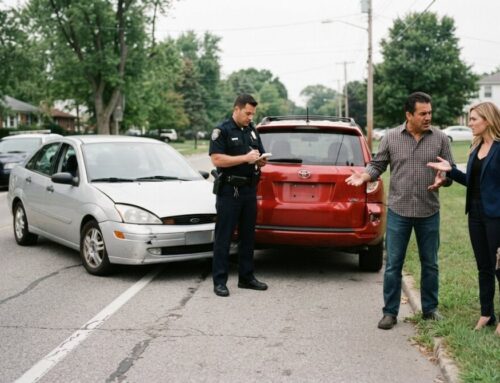
Hit and Run Accident: 7 Critical Steps to Take Now

You are sitting in your car, shaken, after another driver has slammed into you and sped away. In that moment of shock and confusion, knowing exactly what to do after a hit and run accident can make the difference between a smooth insurance claim and a costly legal nightmare. Every year, thousands of drivers face this frightening scenario, and the actions you take in the first few hours are critical to protecting your rights, your health, and your finances. This guide walks you through the essential steps, from securing the scene to navigating insurance hurdles, so you can move forward with confidence.
Stay Safe and Secure the Scene
Your immediate priority after a hit and run is safety. If your vehicle is drivable, pull over to a safe location away from traffic. Turn on your hazard lights to alert other drivers. If you cannot move the car, stay inside with your seatbelt fastened until help arrives. Check yourself and any passengers for injuries. Even if you feel fine, adrenaline can mask pain, so call 911 for medical assistance if there is any doubt.
Once you are in a secure spot, do not chase the fleeing driver. Pursuing another vehicle can lead to further accidents, road rage incidents, or even put you in danger. Instead, focus on gathering information from the scene. Your safety and the safety of others is far more important than catching the culprit yourself. Law enforcement has the tools and authority to track down hit and run drivers. Your job is to provide them with as much detail as possible.
Call the Police Immediately
Reporting the accident to law enforcement is a non-negotiable step. In most states, hit and run accidents must be reported to the police, especially if there are injuries or significant property damage. Call 911 or the local police department’s non-emergency number to file a report. A police report serves as an official record of the incident, which is invaluable for your insurance claim and any legal proceedings that may follow.
When the officer arrives, provide a clear and honest account of what happened. Stick to the facts: the direction the other vehicle was traveling, the point of impact, and any identifying details you remember. Do not speculate about the other driver’s intent or make assumptions about fault. The police report will include a case number, which you should keep for your records. This document is often the cornerstone of your claim, so request a copy or note the report number before leaving the scene.
Document Everything at the Scene
While waiting for police, use your phone to document as much evidence as possible. Take photos of your vehicle’s damage from multiple angles, including close-ups of dents, scratches, and broken parts. Photograph the surrounding area: skid marks, debris, traffic signs, and road conditions. If there are security cameras on nearby buildings, gas stations, or traffic lights, note their locations. These recordings can capture the fleeing vehicle’s license plate or make and model.
Look for witnesses who may have seen the accident. Ask for their names and phone numbers, and politely request a brief statement about what they observed. Witness testimony can corroborate your version of events and help police identify the hit and run driver. Also, write down every detail you recall about the other vehicle: color, make, model, license plate number (even partial), unique features like bumper stickers or roof racks, and the direction it fled. The more information you collect, the stronger your case becomes.
Seek Medical Attention
Even if you feel uninjured, visit a doctor or emergency room as soon as possible after the accident. Some injuries, such as whiplash, concussions, or internal bleeding, may not show symptoms for hours or days. A medical evaluation creates a baseline record of your condition, which is critical if symptoms develop later. Delaying medical care can also hurt your insurance claim, as adjusters may argue your injuries are not related to the accident.
Keep all medical records, bills, and receipts related to your treatment. These documents provide evidence of your injuries and the costs associated with them. If your injuries require ongoing care, follow your doctor’s treatment plan diligently. Insurance companies often scrutinize gaps in treatment, so consistency is key. Your health and recovery should always come first, and proper documentation ensures you can seek compensation for medical expenses if the hit and run driver is found.
Notify Your Insurance Company
Contact your auto insurance provider as soon as possible to report the hit and run. Most policies require prompt notification after any accident, and delays can jeopardize your coverage. When you call, have your policy number, the police report number, and any evidence you gathered ready. Explain that the other driver fled and that you have filed a police report. Be honest and accurate in your description; do not admit fault or speculate about what happened.
Depending on your policy, you may have coverage under uninsured motorist (UM) or collision coverage. Uninsured motorist coverage is specifically designed for hit and run accidents where the at-fault driver cannot be identified. Collision coverage pays for damage to your vehicle regardless of fault, though you will typically pay a deductible. Review your policy details with your agent or adjuster to understand what is covered. If your insurance company attempts to deny your claim or offers a low settlement, you have the right to challenge their decision. In our guide on hit and run accident lawyer: your guide to recovery, we explain how legal representation can help you navigate these disputes.
Understand Your Legal Options
If the hit and run driver is identified, you may have grounds to file a personal injury lawsuit against them. A successful lawsuit can recover damages for medical bills, lost wages, pain and suffering, and property damage. However, locating the driver is not always possible, and even when they are found, they may lack insurance or assets to pay a judgment. In such cases, your uninsured motorist coverage becomes your primary source of compensation.
Working with an experienced attorney can make a significant difference in the outcome of your case. A lawyer can investigate the accident, gather additional evidence, negotiate with insurance companies, and represent you in court if necessary. They can also advise you on the statute of limitations in your state, which varies but typically ranges from one to three years for personal injury claims. Missing this deadline can bar you from recovering any compensation, so do not delay seeking legal advice.
Dealing With Insurance Adjusters
Insurance adjusters are trained to minimize payouts, and they may use tactics to reduce the value of your claim. They might ask for a recorded statement shortly after the accident, before you have fully assessed your injuries. You are not obligated to provide a recorded statement without consulting an attorney. Instead, stick to the facts in writing and refer them to the police report. Avoid giving unnecessary details or speculating about fault.
Keep a log of all communications with your insurance company, including dates, times, and the names of representatives you speak with. If the adjuster pressures you to accept a quick settlement, remember that you do not have to agree immediately. Once you accept a settlement, you cannot reopen the claim for additional compensation later. A fair settlement should cover all your current and anticipated future expenses related to the accident. If you feel the offer is inadequate, consider seeking legal representation to negotiate on your behalf.
When to Hire a Hit and Run Lawyer
You may benefit from hiring a lawyer if your injuries are serious, the insurance company denies your claim, or the hit and run driver is identified but uninsured. Legal representation is also advisable if you are facing a complex claim involving multiple parties or disputed liability. Many personal injury attorneys offer free consultations, so you can discuss your case without financial risk. They typically work on a contingency fee basis, meaning they only get paid if you win.
An attorney can take over the burden of dealing with insurance adjusters, gathering evidence, and building a strong case. They understand the nuances of hit and run laws in your state and can identify all potential sources of compensation. For example, if the accident occurred in a commercial area, the business owner may be liable for failing to maintain adequate security cameras. A lawyer can explore every avenue to maximize your recovery.
Frequently Asked Questions
What should I do if I witness a hit and run?
If you witness a hit and run, pull over safely and call 911. Provide the dispatcher with the fleeing vehicle’s description, license plate number, and direction of travel. If it is safe to do so, stay at the scene and offer your contact information to the victim. Your testimony can be crucial for the police investigation and the victim’s insurance claim.
Will my insurance rates go up after a hit and run?
In many cases, filing a claim under uninsured motorist coverage does not cause your rates to increase, because the accident is not your fault. However, some insurance companies raise premiums after any claim, regardless of fault. Check your policy or ask your agent about your specific company’s practices. If your rates spike, you may shop for a new provider.
Can I claim compensation if the hit and run driver is never found?
Yes, if you have uninsured motorist coverage on your policy. This coverage is designed specifically for hit and run accidents where the at-fault driver cannot be identified. You can file a claim under your own policy to recover damages up to your coverage limits. Without UM coverage, you may have to rely on collision coverage for vehicle damage and pay for medical expenses out of pocket.
How long do I have to file a hit and run claim?
The statute of limitations for hit and run claims varies by state, typically ranging from one to three years for personal injury and two to six years for property damage. However, insurance policies often have shorter deadlines for filing claims, sometimes as little as 30 days. Contact your insurance company and an attorney promptly to avoid missing any deadlines.
Taking the right steps after a hit and run accident can protect your health, your finances, and your legal rights. From securing the scene to working with insurance adjusters, each action builds a foundation for a successful claim. If you find yourself overwhelmed or facing resistance from your insurance company, remember that professional help is available. The team at CarInjuryAccident connects you with experienced attorneys who can guide you through the process and fight for the compensation you deserve. For a free consultation and to discuss your specific case, call our dedicated hit and run accident lawyers today.