
Rideshare Accident Guide: What Happens Next
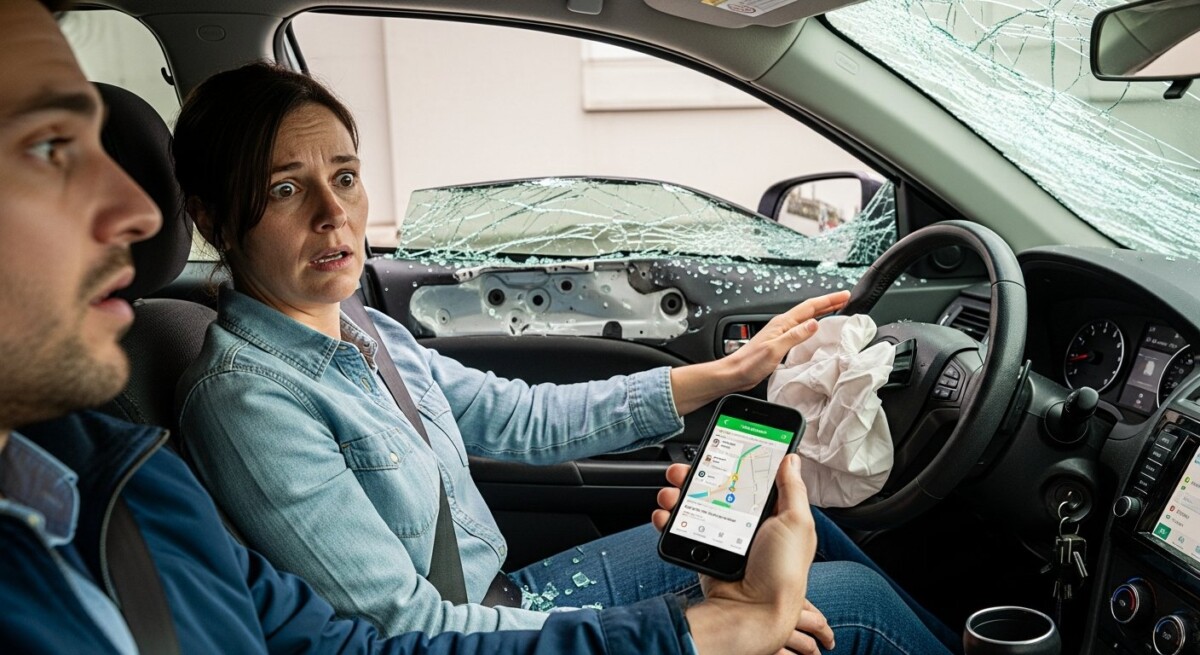
You are sitting at a red light when suddenly another vehicle slams into the side of your rideshare car. In that split second, everything changes. You are not just dealing with a typical car accident. You are navigating a complex web of insurance policies, liability rules, and legal protections that differ greatly from a standard crash. Understanding what happens if an accident involves rideshare is critical because the steps you take immediately after can determine whether you receive fair compensation or face unexpected financial burdens.
Rideshare accidents are unique because they involve multiple insurance layers. The driver’s personal policy, the rideshare company’s coverage, and the at-fault driver’s insurance can all come into play. The timing of the accident matters too. Was the driver waiting for a ride request, en route to pick you up, or actively transporting you? Each phase triggers different coverage limits and responsibilities. Without clear knowledge of these nuances, you risk accepting a lowball settlement or missing crucial deadlines.
Understanding the Three Phases of Rideshare Coverage
Rideshare companies like Uber and Lyft categorize driver activity into three distinct periods. These phases determine which insurance policy applies and how much coverage is available. Knowing these phases helps you predict what happens if an accident involves rideshare during your specific situation.
Phase 1: Driver is Offline or App is Closed
When the driver has not logged into the rideshare app, they are considered a personal driver. Their personal auto insurance policy is the only coverage in effect. If an accident occurs during this time, the rideshare company provides no protection. However, many personal policies exclude coverage for commercial activities, so if the driver was logged in but had not accepted a ride, some personal policies may deny the claim. This gray area often leads to disputes.
Phase 2: Driver is Logged In but No Ride Accepted
Once the driver turns on the app and is available to accept ride requests, the rideshare company provides limited liability coverage. For Uber, this phase offers $50,000 per person for bodily injury, $100,000 per accident, and $25,000 for property damage. Lyft provides similar limits. This coverage is contingent on the driver maintaining their own personal insurance, which acts as primary coverage. If the personal policy denies the claim due to the commercial exclusion, the rideshare coverage becomes primary.
Phase 3: Driver is En Route or Transporting a Passenger
This phase offers the highest level of rideshare company coverage. When the driver has accepted a ride request and is on the way to pick you up, or when you are inside the vehicle, the rideshare company provides $1 million in liability coverage. Uninsured/underinsured motorist coverage and contingent comprehensive and collision coverage also apply. This is the most protective phase for passengers. If another driver causes the accident, you can pursue a claim against that driver’s insurance first, with the rideshare policy serving as a safety net.
Understanding these phases is essential because the answer to what happens if an accident involves rideshare changes dramatically based on which phase the driver was in at the time of the crash. A passenger injured during Phase 3 has significantly more protection than someone hit by a driver who was simply logged into the app.
Who Is Liable in a Rideshare Accident?
Liability in a rideshare accident depends on who caused the crash. The at-fault party could be the rideshare driver, another motorist, a pedestrian, or even a government entity responsible for road conditions. Each scenario affects how you pursue compensation.
If the rideshare driver caused the accident, you file a claim against their rideshare company’s liability policy. For example, if your driver runs a red light and hits another car, you as the passenger can seek damages from Uber or Lyft’s $1 million policy. If another driver caused the accident, you file against that driver’s insurance. If that driver is uninsured or underinsured, the rideshare company’s uninsured motorist coverage may apply.
There are also cases where a third party, such as a car manufacturer or a government agency, shares liability. Defective brakes, poorly designed roads, or malfunctioning traffic lights can contribute to accidents. In these situations, multiple claims may be necessary. A skilled attorney can help identify all liable parties and ensure you do not miss any potential sources of compensation.
What to Do Immediately After a Rideshare Accident
Your actions in the minutes and hours after a crash can significantly impact your recovery. Follow these steps to protect your health and your legal rights:
- Check for injuries and call 911. Your safety is the top priority. Even if you feel fine, some injuries like whiplash or internal bleeding may not show symptoms immediately. Request medical evaluation at the scene.
- Exchange information. Get the rideshare driver’s name, phone number, license plate, and insurance details. Also obtain the contact and insurance information from any other drivers involved. Take photos of the scene, damage, and injuries.
- Do not admit fault. Avoid saying anything that could be interpreted as accepting blame. Stick to factual statements like “I was stopped at the light” rather than “I did not see him coming.”
- Report the accident to the rideshare company. Use the app to report the crash. This creates an official record and triggers the company’s claims process. Do not rely solely on the driver to report it.
- Seek medical attention promptly. Even if you declined an ambulance, visit a doctor or emergency room within 24 hours. Medical records linking your injuries to the accident are crucial for your claim.
After addressing immediate concerns, contact a personal injury attorney who understands rideshare cases. The insurance companies involved will quickly try to settle your claim for as little as possible. An attorney can handle communications, gather evidence, and negotiate on your behalf.
Insurance Claims Process for Rideshare Accidents
Filing an insurance claim after a rideshare accident is more complicated than a standard car accident claim. You may need to interact with multiple insurance companies, each with different adjusters, deadlines, and procedures. Here is a breakdown of the typical process.
First, you notify the rideshare company through their app or claims hotline. They will assign a claims adjuster who investigates the accident. The adjuster will request the police report, medical records, and witness statements. They may also ask for a recorded statement. Be cautious here. Insurance adjusters are trained to minimize payouts. It is wise to have an attorney present before giving any recorded statement.
Second, you file a claim with the at-fault driver’s insurance company if another driver caused the crash. This process follows standard car accident procedures. You provide evidence of damages, including medical bills, lost wages, and property damage. The at-fault driver’s insurer will evaluate liability and make a settlement offer.
Third, if the at-fault driver lacks sufficient coverage, you file an underinsured motorist claim with the rideshare company. This requires proving that the other driver’s insurance is inadequate to cover your losses. The rideshare company’s uninsured motorist coverage can fill the gap up to the policy limits.
Throughout this process, keep detailed records of every communication, expense, and medical treatment. Insurance companies may try to delay or deny your claim. Understanding what happens if an accident involves rideshare includes knowing that these companies have legal teams dedicated to protecting their bottom line. You need someone equally committed to protecting your interests.
Common Injuries in Rideshare Accidents
Rideshare accidents can cause a wide range of injuries, from minor bruises to catastrophic conditions. The type and severity of injuries affect the compensation you may receive. Common injuries include:
- Whiplash and soft tissue injuries. These are the most frequent injuries in rear-end collisions. Symptoms include neck pain, stiffness, headaches, and reduced range of motion. While often considered minor, they can persist for months.
- Broken bones and fractures. Arms, legs, ribs, and collarbones are commonly broken in high-impact crashes. Recovery may require surgery, physical therapy, and time away from work.
- Traumatic brain injuries (TBI). Even without hitting your head, the force of a collision can cause the brain to slam against the skull. Symptoms range from mild concussions to long-term cognitive impairment.
- Spinal cord injuries. Damage to the spine can lead to partial or complete paralysis. These injuries require lifelong medical care and adaptive equipment.
- Psychological trauma. Many accident victims develop post-traumatic stress disorder, anxiety, or depression. These conditions can affect your ability to work, drive, or enjoy daily activities.
Each injury type requires different evidence to prove its impact on your life. Medical experts, vocational specialists, and mental health professionals may need to provide testimony. A thorough evaluation of your injuries ensures you seek compensation for both economic and non-economic damages.
Compensation You Can Recover
If you are injured in a rideshare accident, you can pursue compensation for various losses. The goal of a personal injury claim is to restore you to the position you were in before the accident, as much as money can achieve. Recoverable damages include:
- Medical expenses. This covers emergency care, hospital stays, surgeries, medications, physical therapy, and future medical needs related to your injuries.
- Lost wages. If your injuries prevent you from working, you can recover income lost during recovery. You can also claim reduced earning capacity if your injuries cause long-term disability.
- Property damage. Compensation for damage to your personal belongings, such as your phone, laptop, or clothing that was destroyed in the crash.
- Pain and suffering. This non-economic damage accounts for physical pain, emotional distress, and loss of enjoyment of life. It is often calculated using a multiplier of your economic damages.
- Punitive damages. In rare cases where the at-fault driver acted with gross negligence, such as drunk driving, the court may award punitive damages to punish the wrongdoer and deter similar conduct.
The total value of your claim depends on the severity of your injuries, the clarity of liability, and the insurance limits available. An experienced attorney can evaluate your case and estimate a fair settlement range. In our guide on what happens if an accident involves injury, we explain how to calculate damages and negotiate with insurers.
Frequently Asked Questions About Rideshare Accidents
Do I need a lawyer for a rideshare accident claim?
While not legally required, having a lawyer significantly improves your chances of fair compensation. Rideshare companies have experienced legal teams. An attorney levels the playing field and handles complex insurance negotiations.
How long do I have to file a claim?
Statutes of limitations vary by state. Typically, you have one to three years from the accident date to file a lawsuit. However, insurance claims must be filed much sooner. Check your policy or consult an attorney promptly.
Can I sue the rideshare company directly?
In most cases, you sue the at-fault driver and file a claim against the rideshare company’s insurance policy. Direct lawsuits against the company are rare unless the company was negligent, such as failing to properly vet a driver.
What if the rideshare driver was not at fault?
If another driver caused the accident, you pursue a claim against that driver’s insurance. The rideshare company’s policy may provide additional coverage if the other driver is underinsured.
Will my health insurance cover my medical bills?
Yes, your health insurance can cover initial medical costs. However, the rideshare company or at-fault driver’s insurer should reimburse these expenses. Your attorney can coordinate with your health insurer to ensure they are repaid from your settlement.
What happens if the driver was not following the app?
If the driver was logged into the app but driving outside the designated area or violating company policies, coverage may still apply. However, the rideshare company may deny the claim if the driver was engaging in fraud or misconduct.
For more detailed answers, review our guide on what happens if an accident involves injury for a deeper look at injury claims.
Protecting Your Rights After a Rideshare Accident
The moments after a rideshare accident can feel overwhelming. Between the shock of the crash, the confusion of dealing with multiple insurance companies, and the physical pain of injuries, it is easy to make mistakes that cost you later. Remember that the insurance adjuster is not your friend. Their job is to save the company money, not to ensure you are fairly compensated.
One of the most important steps you can take is to consult with a personal injury attorney who handles rideshare cases. Many offer free consultations and work on a contingency fee basis, meaning you pay nothing unless they win your case. An attorney can investigate the accident, gather evidence, calculate your damages accurately, and negotiate with insurers. They can also identify all liable parties and ensure no stone is left unturned.
If you have been injured in a rideshare accident, do not wait. Evidence can disappear, witnesses can forget details, and statutes of limitations can expire. Take action now to protect your legal rights and secure the compensation you deserve. Contact our team at 855-545-2917 for a free case evaluation. We are here to help you navigate this complex process and fight for the best possible outcome.