What Happens When Someone Hits Your Car? A Step-by-Step Guide
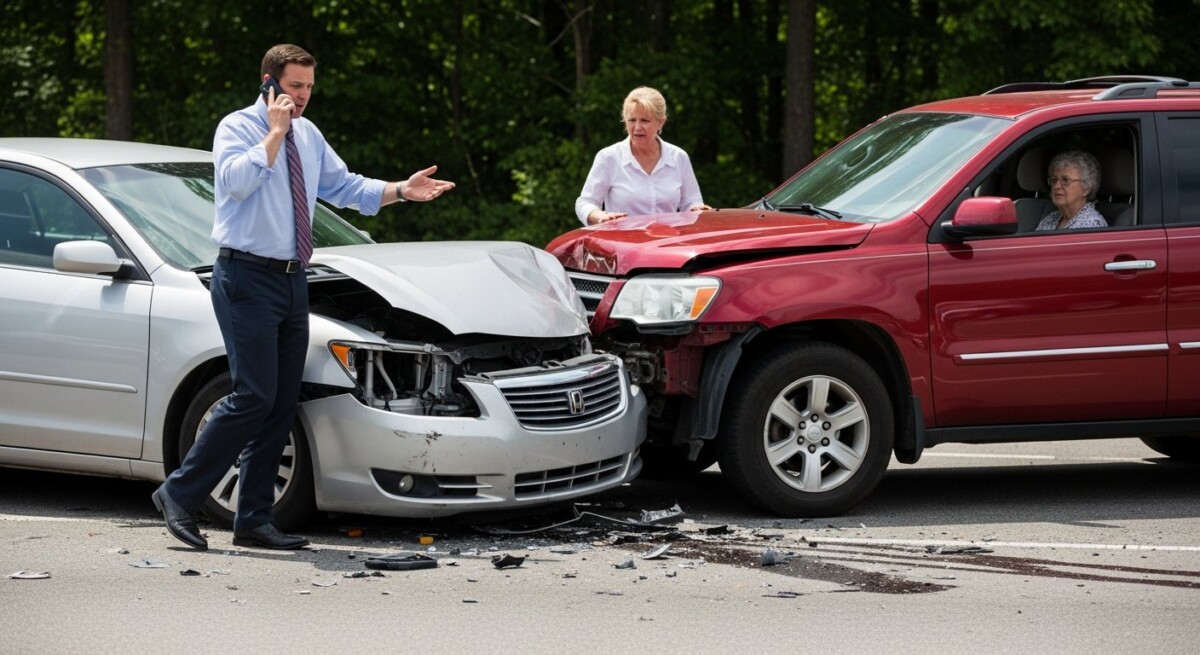
Few things are as jarring as the sound of metal crunching against metal. In that split second, a routine drive turns into a stressful, confusing event. Your heart races, your mind scrambles, and a single question dominates your thoughts: what happens if someone hits my car? The moments after a collision are critical. What you do next can determine whether you receive fair compensation or end up paying for someone else’s mistake. This guide walks you through every step, from the immediate aftermath to the final settlement, so you can navigate the process with confidence.
Immediate Steps at the Crash Scene
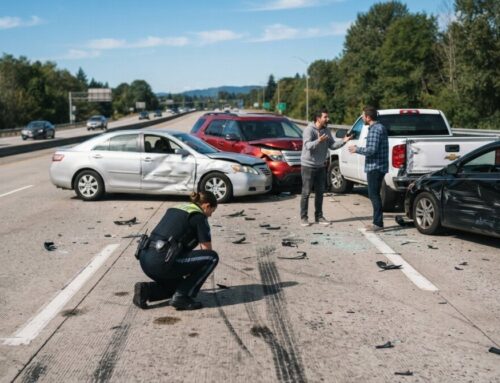
The first sixty seconds after impact set the tone for everything that follows. Your priority must be safety. If your vehicle is drivable and it is safe to do so, move it to the shoulder or a nearby parking lot. Turn on your hazard lights to warn other drivers. Check yourself and your passengers for injuries. Even a minor fender bender can cause whiplash, soft tissue damage, or delayed symptoms that appear hours later.
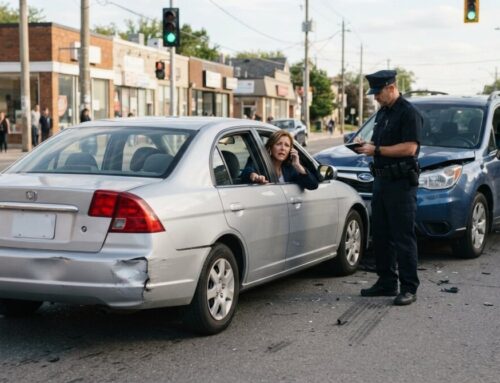
Once everyone is stable, call 911. Do not assume that the other driver will handle this. A police report creates an official record of the accident, which is often required by insurance companies and invaluable if the other party disputes fault. When the officer arrives, provide factual information only. Avoid saying things like “I’m sorry” or “I didn’t see you.” These statements can be interpreted as admissions of fault, even if you are simply being polite.
Gathering Evidence Like a Professional
While you wait for law enforcement, collect as much evidence as possible. Your smartphone is your best tool. Take wide-angle photos of the entire scene, including the position of both vehicles, skid marks, traffic signs, and road conditions. Then take close-up shots of the damage to both cars. Capture multiple angles, including the license plates. If there are visible injuries, photograph those as well.
Exchange information with the other driver. You need their full name, phone number, insurance company, policy number, and driver’s license number. Also get the make, model, and color of their car. If there are witnesses, ask for their contact information and a brief statement about what they saw. A witness who has no stake in the outcome can be a powerful advocate later.
Finally, write down your own recollection of the event as soon as possible. Memory fades quickly, and details like the color of the traffic light or the speed of the other vehicle can become crucial. Use a notes app on your phone or a small notebook kept in your glove compartment.
Filing an Insurance Claim: What to Expect
After you leave the scene, your next step is to notify your insurance company. Most policies require you to report an accident within a reasonable time frame, often 24 to 48 hours. When you call, have your policy number and the other driver’s information ready. The claims representative will ask you to describe the accident. Stick to the facts you recorded. Do not speculate about fault or downplay your injuries.
Your insurer will assign a claims adjuster to your case. This person evaluates the damage to your vehicle and reviews the police report and medical records to determine liability. In most states, the at-fault driver’s insurance pays for your repairs and medical bills. However, if you live in a no-fault state, your own insurance covers your initial medical costs regardless of who caused the crash.
If the other driver is uninsured or underinsured, your own policy’s uninsured motorist coverage may step in. This is why it is critical to review your coverage limits before an accident happens. A few extra dollars per month on your premium can save you thousands in out-of-pocket expenses.
Dealing with Property Damage and Repairs
The claims adjuster will inspect your vehicle and provide an estimate for repairs. You have the right to choose your own repair shop. Insurance companies sometimes recommend preferred shops, but you are not obligated to use them. If you have a trusted mechanic, take the car there. The adjuster’s estimate may differ from the shop’s quote. In that case, the shop can submit a supplemental estimate to the insurance company to cover any additional work needed.
While your car is being repaired, you may need a rental vehicle. Check your policy to see if rental reimbursement is included. If so, the insurance company will cover a standard rental car for the duration of the repairs. If the damage is severe and your car is declared a total loss, the insurer will pay you the actual cash value of the vehicle minus your deductible. You can negotiate this amount if you believe the valuation is too low. Provide evidence of recent sales of similar vehicles in your area to support your case.
Medical Treatment and Injury Claims
Even if you feel fine immediately after the crash, see a doctor within 24 hours. Adrenaline can mask pain, and conditions like whiplash, concussions, or herniated discs may not appear for days or weeks. A medical record linking your injuries to the accident is essential for any injury claim. Without it, the insurance company will argue that your injuries are unrelated or pre-existing.
Follow your doctor’s treatment plan precisely. Attend all appointments, take prescribed medications, and complete physical therapy if recommended. Insurance adjusters look for gaps in treatment as a reason to reduce your settlement. If you stop going to the doctor because you feel better, they may claim your injuries were not serious.
Keep a pain journal. Write down how you feel each day, what activities you cannot do, and how the injury affects your work and family life. This subjective record can be powerful evidence of the accident’s impact on your quality of life.
When to Call a Car Accident Lawyer
Not every accident requires an attorney. If the damage is minor, there are no injuries, and the insurance company offers a fair settlement quickly, you may be able to handle it on your own. However, there are several situations where legal representation becomes critical. If the insurance company denies your claim, offers a lowball settlement, or disputes liability, you need a professional on your side.
Another red flag is when the at-fault driver is uninsured or flees the scene. In these cases, recovering compensation becomes much more complex. An attorney can help you navigate your own policy’s uninsured motorist coverage and explore other legal avenues. Additionally, if your injuries are severe or long-term, the stakes are higher. Insurance companies have teams of adjusters and lawyers working to minimize payouts. You deserve someone with equal resources and experience.
At CarInjuryAccident, we connect you with seasoned attorneys who specialize in car accident cases. Our team understands the tactics insurers use and will fight to maximize your recovery. In our guide on car accident lawyer percentage fee what you pay, we explain how contingency fees work so you know exactly what to expect. If you are looking for finding the best car accident lawyer for your injury claim, our platform simplifies the process. We also have resources on finding the right car accident attorney near you to ensure you get local representation that understands your state’s laws.
Negotiating a Fair Settlement
Once you have completed medical treatment and your vehicle is repaired or replaced, the insurance company will make a settlement offer. Do not accept the first offer. Initial offers are almost always lower than what the case is worth. The adjuster is testing to see if you will accept a quick payout. Instead, prepare a demand letter that itemizes all your damages. Include medical bills, lost wages, property damage, and pain and suffering.
Pain and suffering is calculated differently in every case. A common method is to multiply your total medical expenses by a number between 1.5 and 5, depending on the severity of your injuries. For example, if your medical bills are $10,000 and your injuries are moderate, a multiplier of 3 would yield $30,000 for pain and suffering. Add this to your economic damages to arrive at your demand amount.
Be prepared to negotiate back and forth. The adjuster may counter with a lower number. Do not be discouraged. This is a standard part of the process. If negotiations stall or the offer remains unfair, your attorney can file a lawsuit. Most cases settle before trial, but having a lawsuit on file gives you leverage.
Frequently Asked Questions
What if the other driver does not have insurance?
If you have uninsured motorist coverage, your own insurance will cover your medical bills and lost wages up to your policy limits. If you do not have this coverage, you may need to sue the other driver personally. An attorney can advise you on the best course of action.
How long do I have to file a claim?
The statute of limitations for car accident claims varies by state, typically ranging from one to six years. In most states, you have two to three years from the date of the accident. Missing this deadline can bar you from recovering any compensation.
Will my insurance rates go up if I am not at fault?
In many states, your rates should not increase if you are not at fault. However, some insurers raise premiums after any claim, regardless of fault. Check your policy or ask your agent about your company’s specific practices.
Can I claim for a rental car during repairs?
Yes, if you have rental reimbursement coverage on your policy. The at-fault driver’s insurance may also cover a rental car if liability is clear. Keep all receipts for reimbursement.
Final Thoughts
Being hit by another driver is never convenient, but knowing what happens if someone hits my car takes the fear out of the equation. From the initial shock to the final check, each step is manageable with the right information and support. Document everything, seek medical care promptly, and do not settle for less than you deserve. If the process becomes overwhelming, remember that experienced legal help is just a phone call away. You do not have to face this alone.