What Happens When the Other Driver Has No Insurance

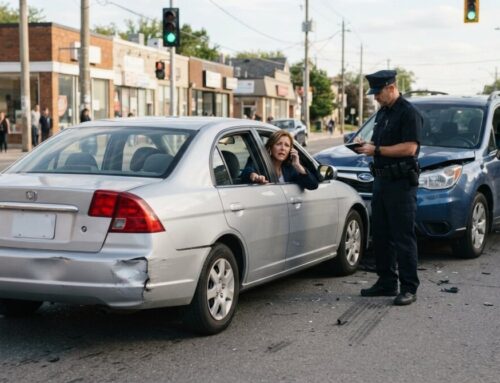
You are driving home after a long day, and suddenly another vehicle runs a red light and slams into your car. Your heart races as you check for injuries and assess the damage. Then you exchange information with the other driver, and your stomach drops. They admit they do not have auto insurance. In that moment, a wave of anxiety washes over you. You wonder how you will pay for repairs, medical bills, and lost wages. This scenario is more common than many people realize. According to the Insurance Research Council, roughly one in eight drivers on the road is uninsured. If you find yourself in this situation, understanding your options and the steps you must take can make the difference between financial disaster and a manageable recovery.
This article explains what happens if the other driver has no insurance. It covers the immediate steps you should take at the accident scene, how your own insurance policy may help, the legal avenues available to you, and why working with an experienced attorney can protect your rights and maximize your compensation. Whether you live in a state with high uninsured motorist rates or you are just preparing for the unexpected, this guide will give you the knowledge you need to move forward.
Immediate Steps After an Accident With an Uninsured Driver
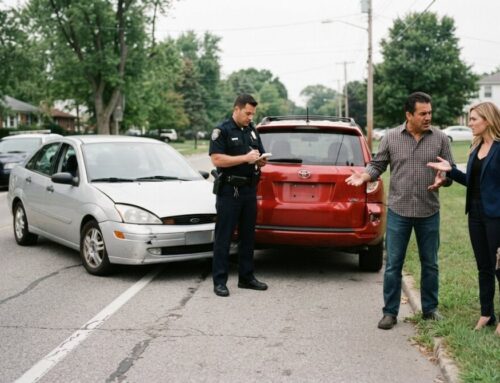
Your actions in the minutes and hours following a crash can significantly affect your ability to recover damages. Even if the other driver admits they have no insurance, you must remain calm and follow a structured approach. First, check for injuries and call 911 immediately. Request that police respond to the scene and file an official accident report. This report becomes a critical piece of evidence, especially when the other driver lacks insurance. It documents fault, location, time, and any statements made by the driver.
Second, gather as much information as possible from the other driver. Get their name, address, phone number, driver’s license number, and license plate number. Even without insurance, these details help you identify them for future legal action. Also collect contact information from any witnesses. Third, take photographs of the accident scene, vehicle damage, skid marks, traffic signs, and visible injuries. These images provide an unbiased record that insurers and courts rely on. Fourth, do not admit fault or apologize at the scene. Let the police and insurance companies determine liability based on the evidence.
Fifth, seek medical attention even if you feel fine. Some injuries, such as whiplash or internal trauma, may not present symptoms until hours or days later. A medical record linking your injuries to the accident strengthens your claim. After you have addressed immediate safety and health concerns, contact your own insurance company to report the accident. Be honest and provide the facts, but avoid giving a recorded statement until you have consulted with an attorney. The other driver’s lack of insurance changes the dynamics of your claim, and you need professional guidance to navigate the process.
How Uninsured Motorist Coverage Protects You
Uninsured motorist (UM) coverage is an optional or mandatory add-on to your auto insurance policy, depending on the state where you live. If the other driver has no insurance, your UM coverage steps in to pay for your medical expenses, lost wages, and other damages up to the policy limit. In many states, UM coverage also includes protection for hit-and-run accidents where the at-fault driver cannot be identified. This coverage is one of the most valuable tools for protecting yourself from the financial fallout of an uninsured driver.
Your UM policy typically covers two main areas: bodily injury and property damage. Bodily injury UM pays for medical bills, rehabilitation, pain and suffering, and lost income for you and your passengers. Property damage UM covers repairs to your vehicle or, in some cases, a total loss settlement. However, property damage UM is not available in all states, and some policies require a separate deductible. Review your policy declarations page or call your agent to confirm your coverage limits and any exclusions.
If you do not have uninsured motorist coverage, your options become more limited. You may have to rely on your health insurance for medical bills and pay out of pocket for vehicle repairs. You could also sue the uninsured driver directly, but collecting a judgment is often difficult if the driver has few assets or limited income. This is why financial experts and personal injury attorneys strongly recommend carrying UM coverage, even if your state does not require it. The cost is relatively low compared to the protection it provides. In our guide on why you need a lawyer for accident insurance claims, we explain how legal representation helps you maximize the benefits of your UM policy and avoid common pitfalls.
Medical Payments Coverage and Personal Injury Protection
Beyond uninsured motorist coverage, two other types of insurance may help you pay for medical expenses after an accident with an uninsured driver. Medical payments coverage, often called MedPay, pays for medical bills regardless of who caused the accident. It covers you, your passengers, and sometimes family members driving your car. MedPay is a no-fault coverage, meaning you do not need to prove liability to receive benefits. It typically has lower limits, such as $1,000 to $10,000, but it can cover emergency room visits, surgery, X-rays, and ambulance fees.
Personal injury protection (PIP) is similar to MedPay but more comprehensive. It is required in no-fault states and covers medical expenses, lost wages, and essential services like childcare or housekeeping. PIP also pays regardless of fault. If you live in a PIP state, your own insurance should provide coverage even if the other driver is uninsured. However, PIP limits vary widely, and you may exhaust them quickly if your injuries are severe. In that case, your UM bodily injury coverage can provide additional funds.
Combining MedPay or PIP with UM coverage creates a safety net that reduces your out-of-pocket costs. For example, if you have $5,000 in MedPay and $50,000 in UM bodily injury coverage, the MedPay pays first for medical bills, preserving your UM limits for larger expenses or pain and suffering claims. An experienced attorney can help you coordinate these coverages to ensure you receive the maximum benefit available under your policy.
Legal Options for Suing the Uninsured Driver
If your own insurance coverage is insufficient or if you do not have UM coverage, you may consider filing a lawsuit against the uninsured driver. In theory, you can sue for economic damages (medical bills, lost wages, property damage) and non-economic damages (pain and suffering). However, practical challenges often make this route difficult. Many uninsured drivers have limited financial resources. Even if you obtain a court judgment in your favor, collecting the money may require wage garnishment, bank account levies, or placing a lien on property. If the driver has no significant assets or steady income, you may never recover the full amount.
Before pursuing a lawsuit, consult with an attorney to evaluate the driver’s financial situation. Your lawyer can run asset checks and determine whether the driver owns a home, has a job, or holds other valuable property. In some cases, the threat of a lawsuit motivates the driver to negotiate a settlement or payment plan. Additionally, some states allow you to seek punitive damages if the uninsured driver was intoxicated or acted with gross negligence. Punitive damages are not covered by insurance, so they must be paid directly by the defendant. A successful punitive damages award can increase your recovery, but it also requires clear and convincing evidence of egregious conduct.
Filing a lawsuit also involves court costs, filing fees, and time. You may need to attend depositions, hearings, and possibly a trial. For many people, the emotional and financial burden of litigation outweighs the potential recovery, especially when the defendant has few assets. This is why most personal injury attorneys recommend focusing on your own UM coverage first and pursuing a lawsuit only as a secondary option. If you decide to sue, having legal representation is essential to navigate procedural rules and negotiate effectively.
The Role of an Attorney in Uninsured Driver Claims
Dealing with insurance companies and legal processes after an accident with an uninsured driver can be overwhelming. An experienced personal injury attorney levels the playing field and advocates for your best interests. Your lawyer will handle communication with the insurance adjuster, gather evidence, calculate the full value of your damages, and negotiate a fair settlement. If the insurer refuses to pay what your claim is worth, your attorney can file a lawsuit against your own insurance company under your UM policy. This is known as a UM arbitration or UM lawsuit, depending on your state’s laws.
Attorneys also help you avoid common mistakes that could reduce your settlement. For example, giving a recorded statement without legal advice may inadvertently hurt your claim. Accepting a quick settlement offer from the insurance company might seem appealing, but it often fails to account for future medical expenses or long-term pain and suffering. A lawyer ensures you do not settle for less than you deserve. Additionally, attorneys have access to resources such as accident reconstruction experts, medical specialists, and investigators who can strengthen your case.
Most personal injury lawyers work on a contingency fee basis, meaning they only get paid if you win your case or settle. This arrangement makes legal representation accessible even if you are facing financial strain from medical bills and lost income. When you contact a law firm like CarInjuryAccident, you receive a free initial consultation to discuss your situation and determine the best path forward. The team connects you with seasoned attorneys who specialize in uninsured motorist claims and have a proven track record of recovering maximum compensation for their clients.
Frequently Asked Questions
What if I live in a state that does not require uninsured motorist coverage?
If your state does not mandate UM coverage and you did not purchase it, you have fewer protections. You can still sue the uninsured driver, but collecting the judgment may be difficult. You may also rely on your health insurance, MedPay, or PIP if you carry those coverages. Some states allow you to attach a judgment to the driver’s future wages or tax refunds, but this process is slow and uncertain. The best long-term solution is to add UM coverage to your policy as soon as possible.
Can I use my collision coverage if the other driver has no insurance?
Yes, collision coverage pays for damage to your vehicle regardless of fault. However, you must pay your deductible, and your insurance company may raise your premiums after the claim. Collision coverage does not pay for medical expenses or lost wages. It is best used for vehicle repairs when UM property damage coverage is not available or is insufficient.
How long do I have to file an uninsured motorist claim?
Each state sets a statute of limitations for UM claims, typically ranging from one to six years. Some states impose shorter deadlines for claims against your own insurer. Missing the deadline can permanently bar you from recovering compensation. Contact an attorney promptly to ensure you meet all filing requirements.
What if the uninsured driver is a hit-and-run driver?
Hit-and-run accidents are treated similarly to uninsured driver accidents if you have UM coverage. You must report the accident to police immediately and try to obtain the other vehicle’s license plate number, make, model, and color. Your UM policy may require physical contact between the vehicles to qualify. An attorney can help you gather evidence and file the claim correctly.
Protecting Your Future After an Uninsured Driver Accident
Being involved in a crash with an uninsured driver is stressful, but you do not have to face the aftermath alone. The key to recovering compensation lies in understanding your insurance policy, acting quickly, and seeking professional legal guidance. Whether you have UM coverage, MedPay, or PIP, these protections exist specifically to help you in this exact scenario. If you lack these coverages, an attorney can evaluate whether suing the uninsured driver is worthwhile and explore other creative solutions to get you paid.
Remember that your health and well-being come first. Seek medical care, document everything, and preserve evidence. Then reach out to a trusted legal team that specializes in auto accident claims. The attorneys at CarInjuryAccident have extensive experience handling cases involving uninsured drivers. They will fight for your rights, negotiate with insurance companies, and pursue every available source of compensation. Do not let an uninsured driver derail your financial stability. Take action today to secure the recovery you deserve.