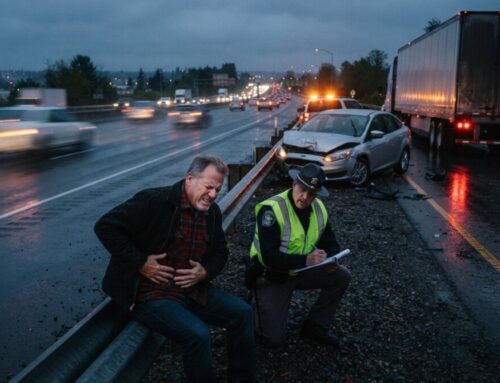
Why You Need a Medical Exam After an Accident

You walk away from a car accident feeling shaken but intact. Adrenaline masks pain. Shock numbs your senses. A day later your neck stiffens. A week later headaches begin. This is why you need a medical exam after an accident even when you feel fine. Many injuries do not announce themselves immediately. Delaying care can jeopardize your health and your legal rights. A prompt medical evaluation does two critical things: it protects your body from hidden harm and creates an official record that links your injuries to the crash. Without that record, insurance companies may argue your injuries happened later or were pre-existing. This article walks through the medical, legal, and financial reasons to see a doctor right away.
Hidden Injuries That Only a Doctor Can Detect
The human body releases a flood of adrenaline and endorphins during a traumatic event. These natural painkillers can mask serious injuries for hours or days. Common crash-related injuries that often go unnoticed include whiplash, concussions, internal bleeding, soft tissue damage, and spinal misalignment. A medical exam after an accident uses imaging, neurological tests, and physical manipulation to uncover these issues before they become chronic.
Whiplash, for example, occurs when the head snaps forward and backward. Symptoms like neck pain and stiffness may not appear for 24 to 48 hours. Without an exam, you might dismiss early warning signs as muscle soreness. A doctor can assess the severity of soft tissue damage and prescribe treatment ranging from rest to physical therapy. Concussions are equally tricky. You might feel slightly foggy or irritable, but a neurological exam can reveal cognitive deficits that require monitoring. Ignoring a concussion increases the risk of second-impact syndrome, a rare but dangerous condition where a second blow causes rapid brain swelling.
Internal bleeding is another silent threat. A blow to the abdomen during a crash can damage organs like the spleen or liver. Symptoms such as dizziness, abdominal pain, or fainting may appear gradually. A medical exam using ultrasound or CT scans can detect internal hemorrhaging early. Delayed treatment can lead to life-threatening complications. In short, a thorough evaluation provides peace of mind and a baseline for recovery.
Creating a Medical Record That Supports Your Claim
Insurance companies are for-profit businesses. Their goal is to minimize payouts. When you file a claim for injuries sustained in a crash, the adjuster will scrutinize your medical timeline. If you waited three days to see a doctor, the insurer may argue that your injuries are not related to the accident. They might claim you were injured at work or during a weekend sports activity. A prompt medical exam after an accident creates contemporaneous documentation that links your injuries directly to the crash.
This record includes the date of the exam, a description of your symptoms, diagnostic findings, and a treatment plan. It serves as objective evidence. The doctor’s notes become a critical piece of your legal file. If the case goes to trial or arbitration, those notes can be introduced to show the nature and extent of your injuries. Without them, you rely solely on your memory, which can fade or become inconsistent under cross-examination.
In our guide on why admitting fault after an accident can cost you, we explain how statements made at the scene can undermine your case. A medical exam provides a counterbalance. It offers clinical evidence that supports your version of events. The sooner you see a doctor, the stronger your claim becomes.
How Delaying Care Affects Your Compensation
Every day you wait to seek treatment gives the insurance company ammunition to reduce your settlement. Adjusters look for gaps in medical care. A gap of even 48 hours can be used to argue that your injuries are minor or unrelated. This is especially true for soft tissue injuries like sprains and strains, which do not show up on X-rays. Without immediate documentation, the insurer may offer a lowball settlement that covers only immediate medical bills, not future treatment or pain and suffering.
Consider this scenario: You are in a rear-end collision. You feel fine at the scene and decline an ambulance. Three days later your lower back hurts, but you assume it will pass. You wait a week before seeing a chiropractor. The insurance adjuster notes the delay and argues that your back pain could have been caused by lifting something heavy at home or by a previous condition. Your claim is denied or drastically reduced. A medical exam after an accident within 24 hours would have eliminated that argument.
Delayed care also affects the calculation of non-economic damages. Pain and suffering, emotional distress, and loss of enjoyment of life are harder to prove when there is a gap in treatment. Juries and adjusters expect to see a consistent pattern of medical visits. If you waited weeks to start treatment, they may assume your injuries were not serious enough to warrant immediate attention. This perception can reduce your settlement by thousands of dollars.
The Legal Benefits of Immediate Medical Attention
From a legal standpoint, a prompt medical exam serves three purposes. First, it establishes causation. Causation is the legal link between the defendant’s negligence and your injuries. Without a medical record showing that you sought care right after the crash, the defense can argue that the accident did not cause your injuries. Second, it documents the full extent of your injuries. Some injuries, like herniated discs or traumatic brain injuries, may have delayed onset. An early exam captures initial symptoms that can later be correlated with advanced imaging.
Third, it strengthens your negotiating position. When you have clear medical evidence, your attorney can demand a higher settlement. Insurance companies are less likely to fight a claim backed by a doctor’s report. If they do, your attorney has the documentation needed to file a lawsuit and present your case in court. For more on how legal fees work in these cases, see our article on how an accident lawyer contingency basis works for you. Understanding the fee structure helps you make informed decisions without worrying about upfront costs.
What to Expect During a Post-Accident Medical Exam
A post-accident medical exam typically involves several steps. The doctor will take a detailed history of the crash, including the speed of the vehicles, your position in the car, and whether you lost consciousness. They will ask about any immediate symptoms and any delayed symptoms you have noticed. A physical examination follows, including range-of-motion tests, palpation of tender areas, and neurological checks. Depending on your symptoms, the doctor may order imaging studies such as X-rays, CT scans, or MRIs.
Here are the key components of a standard post-accident exam:
- History taking: You describe the accident and your symptoms in detail. Include any pre-existing conditions and previous injuries.
- Physical exam: The doctor checks for swelling, bruising, tenderness, and range of motion in your neck, back, shoulders, and limbs.
- Neurological assessment: Reflexes, muscle strength, sensation, and coordination are tested to rule out nerve damage or brain injury.
- Diagnostic imaging: X-rays rule out fractures. CT or MRI scans may be ordered for suspected soft tissue or internal injuries.
- Treatment plan: The doctor outlines recommended treatments such as rest, medication, physical therapy, chiropractic care, or specialist referrals.
Follow-up visits are often necessary. Some injuries, like whiplash or concussions, require ongoing monitoring. Your attorney will need consistent medical records to show that you are actively treating. If you stop going to the doctor before reaching maximum medical improvement, the insurance company may argue that your injuries have resolved and that no further compensation is warranted.
When to Seek Emergency Care vs. Routine Care
Not all accidents require a trip to the emergency room. Knowing the difference between urgent and non-urgent symptoms can save you time and money. However, when in doubt, err on the side of caution. Symptoms that warrant immediate emergency care include loss of consciousness, severe pain, difficulty breathing, vision changes, confusion, vomiting, or numbness in the extremities. These can indicate traumatic brain injury, spinal cord damage, or internal bleeding.
For less severe symptoms such as mild stiffness, headache, or minor bruising, you can visit an urgent care clinic or your primary care physician. The key is to be seen within 24 to 48 hours. Some people choose to see a chiropractor or physical therapist directly. While these practitioners can help with musculoskeletal issues, they are not medical doctors and cannot diagnose internal injuries. If you see a chiropractor first, still schedule a visit with a medical doctor for a comprehensive evaluation.
If you are unsure where to go, call the personal injury attorneys at CarInjuryAccident. Our team can recommend medical providers who specialize in accident-related injuries. Many of these providers work on a lien basis, meaning they treat you now and get paid from your settlement later. This removes the financial barrier to seeking care. For more details on payment structures, read our guide on how a car accident lawyer contingency fee works for you. It explains how you can access legal and medical help without paying out of pocket.
Frequently Asked Questions
Can I see my own doctor or do I have to use the insurance company’s doctor?
You can see your own doctor. In fact, it is often better to see a physician you trust. The insurance company may request that you see one of their doctors for an independent medical examination (IME), but that is separate from your own treatment. Your personal medical records are the primary evidence in your claim.
What if I cannot afford a doctor visit right now?
Many medical providers treat accident victims on a lien basis. You pay nothing upfront, and the doctor is paid from your settlement. Additionally, if you have health insurance, your policy may cover the visit. Personal injury protection (PIP) coverage in some states also pays for immediate medical care regardless of fault.
Do I need a medical exam even if I was a passenger or pedestrian?
Yes. The same risks apply. Passengers and pedestrians can suffer hidden injuries just like drivers. A prompt exam protects your health and your legal right to seek compensation from the at-fault party’s insurance.
What happens if I refuse medical care at the scene?
Refusing care at the scene is common and does not automatically hurt your case. However, you should see a doctor as soon as possible after the crash. Document your refusal and note that you were feeling adrenaline. Later medical records can explain the delayed onset of symptoms.
Putting off a medical exam after an accident is one of the costliest mistakes you can make. It risks your health, weakens your legal claim, and gives insurance companies leverage to deny or reduce your settlement. Even if you feel fine, schedule an appointment within 24 hours. A simple evaluation could uncover a hidden injury and preserve your right to full compensation. If you have been in a crash, contact our team at CarInjuryAccident. We can connect you with experienced attorneys who will fight for the medical care and financial recovery you deserve.