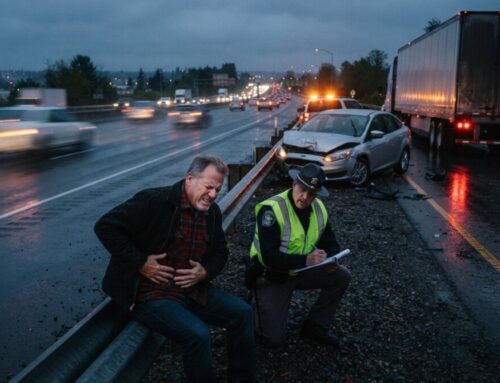
Why Accident Cases Require Lawyers for Fair Compensation

When you are injured in a car crash, the aftermath can feel overwhelming. Between medical bills, insurance calls, and lost wages, many victims wonder if they really need a lawyer. The simple answer is yes: accident cases require lawyers because the legal and insurance systems are designed to protect their own interests, not yours. Without skilled representation, you risk accepting a settlement far below what you need to recover fully. This article explains the critical reasons why accident cases require lawyers and how legal expertise can change the outcome of your claim.
Understanding the Complexity of Accident Claims
Many people assume that after an accident, the at-fault party’s insurance will pay their expenses quickly. In reality, accident claims involve complex rules of negligence, liability, and damages. Insurance adjusters are trained to minimize payouts, often using tactics like questioning the severity of your injuries or blaming you for the crash. A lawyer understands these strategies and can counter them with evidence and legal precedent.
For example, determining fault in a multi-vehicle collision may require analyzing police reports, witness statements, and even accident reconstruction data. Without legal training, a victim may not know how to preserve critical evidence or interpret state laws on comparative negligence. In our guide on Why You Need Legal Help After Accident: Key Reasons, we explain how attorneys handle these complexities to protect your rights.
How Lawyers Maximize Your Settlement
One of the most compelling reasons why accident cases require lawyers is the financial impact. Studies consistently show that represented victims receive significantly higher settlements than those who go it alone. Attorneys know how to calculate the full value of your claim, including future medical costs, lost earning capacity, and pain and suffering. They also negotiate aggressively with insurers who might otherwise offer a lowball figure.
Consider a scenario where you have whiplash after a rear-end collision. The insurance company might offer a quick $5,000 settlement. A lawyer, however, would document ongoing therapy, potential long-term effects, and lost work time. That same claim could be worth $20,000 or more. The fee you pay the attorney is a fraction of the additional money they secure for you.
Calculating Non-Economic Damages
Beyond medical bills and lost wages, accident victims are entitled to non-economic damages like emotional distress, loss of enjoyment of life, and pain. These damages are subjective and hard to quantify. Insurers rarely include them in offers to unrepresented victims. A lawyer uses legal formulas, expert testimony, and case law to demand fair compensation for these invisible losses.
Handling Insurance Company Tactics
Insurance companies are not on your side. They have teams of adjusters and lawyers whose job is to protect the company’s bottom line. Common tactics include asking for a recorded statement, pressuring you to accept a quick settlement, or disputing the medical necessity of your treatment. These moves can destroy your claim if you are unprepared.
A lawyer acts as a shield. They handle all communication with the insurance company, preventing you from accidentally saying something that could be used against you. As we discuss in Why Admitting Fault After an Accident Can Cost You, even a simple apology can be twisted into an admission of liability. Your attorney ensures that your words and actions are protected throughout the process.
Navigating Medical Treatment and Documentation
Another reason why accident cases require lawyers is the need for proper medical documentation. Insurers will scrutinize your medical records looking for gaps in treatment or pre-existing conditions that might reduce your payout. A lawyer helps you understand what kind of care you need and how to document it correctly.
They can also connect you with medical providers who specialize in accident injuries and who understand the legal documentation required. This ensures that every doctor’s visit, test, and therapy session is recorded in a way that supports your claim. Without this guidance, you might miss crucial steps that weaken your case.
The Role of Evidence and Investigation
Strong evidence is the backbone of any accident claim. Lawyers have resources to gather and preserve evidence that an individual might overlook. This includes obtaining traffic camera footage, interviewing witnesses, collecting black box data from vehicles, and hiring accident reconstruction experts. Each piece of evidence strengthens your position when negotiating or going to trial.
For instance, if the other driver claims you ran a red light, a lawyer can subpoena traffic light records or find a surveillance video from a nearby business. This kind of investigation is time-consuming and expensive, but it can be the difference between a denied claim and a full recovery. The cost of these services is typically covered by the attorney upfront and reimbursed from your settlement.
Statutes of Limitations and Legal Deadlines
Every state has a statute of limitations, which is a deadline for filing a lawsuit after an accident. Missing this deadline can permanently bar you from recovering any compensation. These deadlines vary by state and by the type of claim, making them easy to overlook if you are not working with an attorney.
A lawyer tracks all deadlines and ensures that your claim is filed on time. They also handle other procedural requirements, such as notifying government entities if the accident involved a municipal vehicle or road hazard. Failing to file a notice within a short window (sometimes 30 to 90 days) can forfeit your right to sue. This is a critical reason why accident cases require lawyers: they protect you from losing your claim due to a technicality.
Dealing with Multiple Parties and Insurance Policies
Accidents often involve more than one liable party. For example, a pileup on the highway might involve several drivers, a trucking company, and even a parts manufacturer if a defective component caused the crash. Each party has its own insurance policy with separate limits and adjusters. Untangling this web requires legal expertise.
Lawyers identify all potentially liable parties and pursue claims against each one to maximize your recovery. They also understand how to coordinate between different insurance policies, such as your own uninsured motorist coverage and the other driver’s liability policy. Without a lawyer, you might settle with one party too early, releasing others from liability and leaving money on the table.
Subrogation and Liens
If your health insurance or Medicare paid for your medical treatment, they may have a right to be repaid from your settlement. This process, called subrogation, can reduce your net recovery if not handled properly. A lawyer negotiates with these entities to reduce their lien amounts, so more money ends up in your pocket. They also ensure that any liens are satisfied correctly, preventing future collection actions against you.
When to Hire a Lawyer After an Accident
Timing matters. The best time to hire a lawyer is as soon as possible after the accident, ideally before you speak to any insurance adjuster. However, even if weeks or months have passed, a lawyer can still help salvage your case. Here are signs that you should seek legal representation immediately:
- You suffered serious injuries requiring hospitalization or ongoing treatment.
- The insurance company is offering a settlement that seems too low or is denying your claim.
- Liability is disputed, or the other driver claims you were at fault.
- You are unsure about the full extent of your injuries or future medical needs.
- An attorney from the other driver’s insurance company has contacted you for a recorded statement.
Each of these situations carries high risk for an unrepresented victim. A lawyer levels the playing field and gives you the best chance at a fair outcome.
The Cost of Hiring a Lawyer
Many accident victims worry about the cost of hiring an attorney. However, most personal injury lawyers work on a contingency fee basis. This means they only get paid if you win your case, and their fee is a percentage of your settlement or verdict. You pay nothing upfront, and the attorney advances all case expenses.
This fee structure aligns the lawyer’s interests with yours: they are motivated to get the highest possible settlement because their payment depends on it. It also makes legal representation accessible to people who cannot afford hourly rates. In our article on Why Accident Victims Hire Attorneys for Legal Help, we break down how this system works and why it benefits victims.
Frequently Asked Questions
Do I really need a lawyer for a minor accident? Even minor accidents can have hidden injuries like soft tissue damage or herniated discs. Symptoms may not appear for days or weeks. Consulting with a lawyer ensures that you do not settle for less than you need.
How much does a lawyer cost? Most accident lawyers work on contingency, taking 33% to 40% of the settlement. The exact percentage depends on the complexity of the case and whether it goes to trial.
How long does an accident case take? Simple cases may settle in a few months. Complex cases involving serious injuries or disputed liability can take a year or more, especially if a lawsuit is filed.
What if the insurance company offers a settlement before I hire a lawyer? Do not accept it. Insurance companies often make low initial offers hoping you will take the quick payout. A lawyer can evaluate the offer and reject it if it is insufficient.
Can I handle my own claim and hire a lawyer later? Yes, but doing so may complicate things. Once you accept a settlement or sign a release, you cannot later hire a lawyer to seek more money. It is safer to involve a lawyer early.
In summary, the reasons why accident cases require lawyers are clear: they protect your legal rights, maximize your compensation, handle complex procedures, and shield you from insurance company tactics. Attempting to navigate the system alone puts your recovery at risk. If you have been in an accident, contacting an attorney early can make the difference between a frustrating experience and a successful outcome. The peace of mind and financial security that come from having a dedicated legal partner are invaluable when you are trying to rebuild your life after a crash.