What Is Uninsured Motorist Coverage and Why You Need It
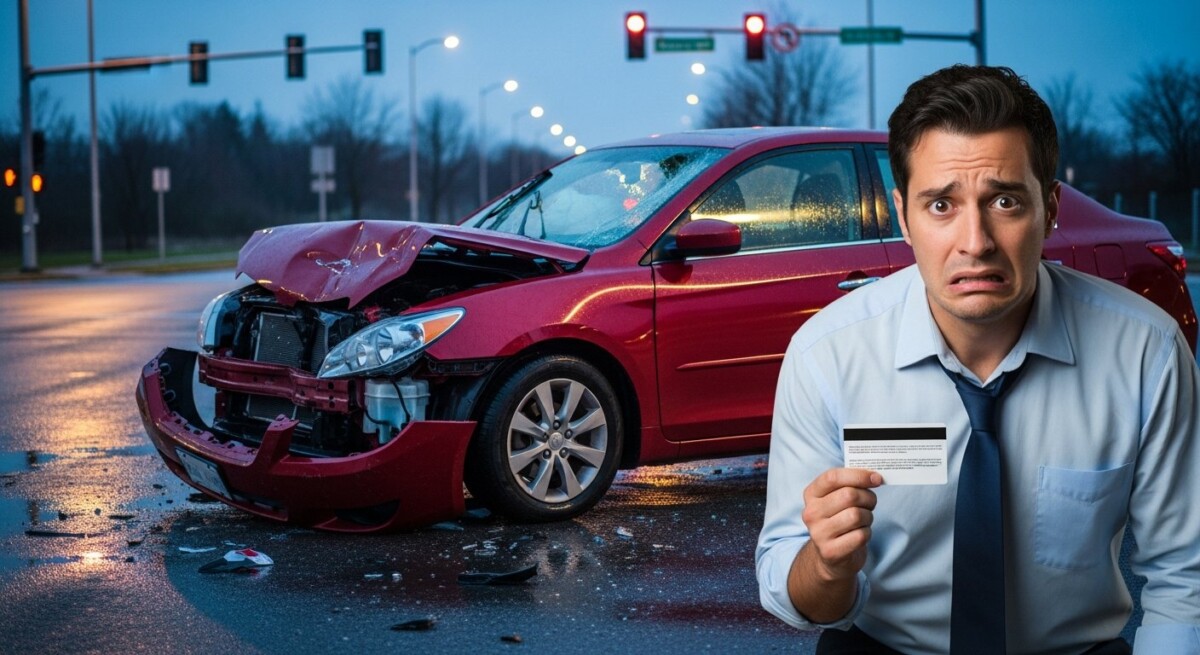
Imagine you are driving home after a long day, and another driver runs a red light and slams into your car. You are injured, your vehicle is damaged, and you expect the other driver’s insurance to cover your losses. But when you exchange information, you learn something shocking: the other driver has no insurance at all. In that moment, your financial recovery depends on a coverage you may or may not have purchased: uninsured motorist coverage. This type of protection is one of the most important yet misunderstood parts of an auto insurance policy. Understanding what uninsured motorist coverage is and how it works can mean the difference between financial stability and devastating out-of-pocket costs after a crash.
At its core, uninsured motorist coverage (often shortened to UM coverage) is a part of your auto insurance policy that steps in when you are hit by a driver who has no liability insurance. It pays for your medical bills, lost wages, and other damages up to your policy limits. Without this coverage, you could be left to pay for serious injuries and vehicle repairs on your own. Many drivers do not realize how common uninsured drivers are on the road, and that makes UM coverage a critical safety net. In this article, we will break down exactly what this coverage includes, how it differs from underinsured motorist coverage, when you need it, and how it can protect you in the event of a hit-and-run or an accident with an uninsured driver.
How Uninsured Motorist Coverage Works
Uninsured motorist coverage is a contractual promise from your insurance company to pay for your covered losses when the at-fault driver has no liability insurance. When you file a claim under UM coverage, your insurer steps into the shoes of the uninsured driver and compensates you for damages that the other driver would have been legally responsible for. This includes medical expenses, rehabilitation costs, lost income, and sometimes pain and suffering. The coverage typically applies to you, your family members living in your household, and any passengers in your vehicle at the time of the accident.
One of the most important aspects of UM coverage is that it is often subject to the same limits you choose for your liability coverage. For example, if you carry $50,000 per person and $100,000 per accident in bodily injury liability, your UM coverage may match those same limits. Some states require insurers to offer UM coverage, and in some states it is mandatory. However, in other states you can reject it in writing. The process of filing a UM claim is similar to a standard liability claim, but your insurance company will investigate the accident and determine liability just as if they were representing the uninsured driver. If the insurer disputes the claim or offers a low settlement, you may need to negotiate or even pursue legal action against your own insurance company.
Uninsured vs. Underinsured Motorist Coverage
Many drivers confuse uninsured motorist coverage with underinsured motorist coverage (UIM). While they are often purchased together as a package, they serve different purposes. Uninsured motorist coverage applies when the at-fault driver has no insurance at all. Underinsured motorist coverage applies when the at-fault driver has insurance, but their policy limits are too low to fully cover your damages. For example, if your medical bills total $100,000 and the other driver only has $25,000 in liability coverage, your UIM coverage would kick in to pay the remaining $75,000 up to your policy limit.
Both UM and UIM are designed to protect you from the financial consequences of someone else’s negligence. However, UIM coverage typically requires that you exhaust the at-fault driver’s liability limits before you can access your own UIM coverage. This means you must first settle with the other driver’s insurance company for their policy limit, and then submit the remaining unpaid balance to your own insurer. UM coverage does not require this step because there is no other insurance to exhaust. Understanding this distinction is crucial when you are purchasing coverage, because you want to ensure you have adequate protection against both scenarios.
What Does Uninsured Motorist Coverage Typically Include?
Uninsured motorist coverage is not a single type of protection; it usually has two main components: bodily injury and property damage. The bodily injury portion covers medical expenses, lost wages, and other injury-related costs for you and your passengers. The property damage portion covers repairs to your vehicle if it is damaged by an uninsured driver. However, not all states require property damage coverage under UM, and some states offer it only as an optional add-on.
Here is a breakdown of the key elements commonly covered by uninsured motorist coverage:
- Medical expenses: Hospital bills, surgery costs, doctor visits, physical therapy, prescription medications, and any other necessary medical treatment resulting from the accident.
- Lost wages: Income you lose because you cannot work while recovering from your injuries. This can include both hourly wages and salaried income.
- Pain and suffering: Compensation for physical pain, emotional distress, and reduced quality of life caused by the accident. This is often a significant part of a UM claim.
- Funeral expenses: If a loved one is killed in an accident caused by an uninsured driver, UM coverage can help cover funeral and burial costs.
- Vehicle repairs: Under the property damage component, the cost to repair or replace your vehicle is covered, often subject to a deductible.
It is important to note that UM coverage generally does not cover damage to personal property inside your vehicle, such as laptops, phones, or other valuables. Those items may be covered under your homeowners or renters insurance policy. Additionally, UM coverage does not cover your own injuries if you were driving a vehicle you do not own, unless the policy specifically extends coverage to non-owned vehicles. Always review your policy declarations page to understand exactly what is included and what is excluded.
When Does Uninsured Motorist Coverage Apply?
Uninsured motorist coverage applies in several common scenarios. The most obvious is when you are hit by a driver who has no insurance. But it also applies in hit-and-run accidents where the at-fault driver flees the scene and cannot be identified. In many states, if you are struck by a hit-and-run driver, your UM coverage will treat the unknown driver as an uninsured motorist, provided you report the accident to the police and your insurer promptly. Some policies require physical contact between your vehicle and the hit-and-run vehicle, but others allow claims based on witness statements or other evidence.
Another situation where UM coverage applies is when you are a pedestrian or cyclist struck by an uninsured motorist. In these cases, your UM coverage can pay for your injuries even though you were not in a vehicle at the time. Some policies also cover you when you are riding as a passenger in someone else’s car and that vehicle is hit by an uninsured driver. In that situation, you may be able to make a claim under both your own UM policy and the driver’s UM policy, depending on state laws and policy language. This stacking of coverage can provide additional compensation if your damages exceed a single policy’s limits.
State Requirements and Optional Coverage
Laws regarding uninsured motorist coverage vary widely from state to state. Some states, such as New York, Illinois, and California, require all drivers to carry UM coverage as part of their auto insurance policy. Other states allow drivers to reject UM coverage in writing, meaning it is optional. A few states do not require UM coverage at all, though insurers must offer it. Because the rules are different everywhere, it is crucial to check your state’s minimum insurance requirements and understand your options.
Even in states where UM coverage is optional, purchasing it is almost always a wise decision. According to the Insurance Research Council, about one in eight drivers in the United States is uninsured. In some states, that number is closer to one in five. The financial risk of being hit by an uninsured driver is significant, especially if you suffer serious injuries. Without UM coverage, your only recourse would be to sue the uninsured driver personally, but most uninsured drivers have few assets to seize. UM coverage provides a reliable source of compensation without relying on the other driver’s ability to pay.
How Much Uninsured Motorist Coverage Should You Buy?
Deciding how much UM coverage to purchase depends on your personal financial situation, your health insurance coverage, and your tolerance for risk. A good rule of thumb is to carry at least as much UM coverage as you have in liability coverage. If you can afford it, consider carrying limits of $100,000 per person and $300,000 per accident for bodily injury, and $50,000 for property damage. This level of coverage will protect you in most serious accident scenarios.
If you have good health insurance, you might be tempted to carry lower UM limits because your health plan will cover your medical bills. However, health insurance does not cover lost wages, pain and suffering, or the cost of hiring an attorney to handle your case. UM coverage fills those gaps. Additionally, if you are seriously injured and your health insurance has subrogation rights, your health insurer may seek repayment from any settlement you receive. In that case, having adequate UM coverage ensures there is enough money to pay both your health insurer and yourself.
For those who are navigating the aftermath of a car accident, it is often helpful to consult with an experienced attorney who can evaluate your case and advise on the best strategy for maximizing your recovery. In our guide on what is bodily injury liability accident coverage, we explain how these protections work together to safeguard your financial future.
Filing a Claim Under Uninsured Motorist Coverage
Filing a UM claim follows a process similar to a standard liability claim, but with an important difference: you are making a claim against your own insurance company. This can create a conflict of interest because your insurer has a financial incentive to minimize the payout. To protect your interests, it is critical to document everything thoroughly. Obtain a police report, gather witness statements, take photographs of the accident scene and your injuries, and keep all medical records and bills. Report the accident to your insurer as soon as possible, and provide a clear statement that the other driver was uninsured.
Your insurance company will assign a claims adjuster to investigate. The adjuster will review the police report, interview witnesses, and evaluate your medical records. They will then make a settlement offer based on their assessment of your damages. If you believe the offer is too low, you have the right to negotiate. This is where having legal representation can make a significant difference. An attorney can handle the negotiations and, if necessary, file a lawsuit against your own insurance company to enforce the policy terms. Many people do not realize that they can sue their own insurer for bad faith if the company unreasonably delays or denies a valid UM claim. Understanding your rights is essential to getting the compensation you deserve.
If you are dealing with a complex claim involving multiple parties or severe injuries, consider reading our article on what is bodily injury liability accident coverage for a deeper understanding of how these policies interact with UM coverage.
Frequently Asked Questions
Is uninsured motorist coverage required in all states?
No, uninsured motorist coverage is not required in all states. Some states mandate it, while others allow drivers to reject it in writing. A few states do not require insurers to offer it at all. Check your state’s insurance laws to determine your obligations.
Does uninsured motorist coverage cover hit-and-run accidents?
Yes, in most states and under most policies, uninsured motorist coverage applies to hit-and-run accidents. You typically must report the accident to the police and your insurer promptly. Some policies require physical contact between your vehicle and the hit-and-run vehicle, but others accept other evidence.
Can I use uninsured motorist coverage if I am a passenger?
Yes, if you are a passenger in a vehicle that is hit by an uninsured driver, you can generally make a claim under your own UM policy or the driver’s UM policy. In some states, you may be able to stack both policies for additional compensation.
Does uninsured motorist coverage cover property damage?
Some policies include a property damage component for uninsured motorist coverage, but not all states require it. If you have this coverage, it pays for repairs to your vehicle after an accident with an uninsured driver, usually subject to a deductible.
For more detailed guidance on how different types of auto insurance coverage work together, including the role of what is bodily injury liability accident coverage, explore our comprehensive resources.
Uninsured motorist coverage is a vital layer of protection that every driver should consider. It ensures that you are not left financially devastated by someone else’s failure to carry insurance. Whether you are purchasing a new policy or reviewing your current coverage, take the time to understand your options and choose limits that match your needs. If you have been in an accident with an uninsured driver, do not hesitate to seek professional legal advice. The right attorney can help you navigate the claims process and secure the compensation you deserve. Your financial security on the road starts with the right coverage, and uninsured motorist coverage is a cornerstone of that protection.