What Is an Accident Demand Letter: Key Steps to File

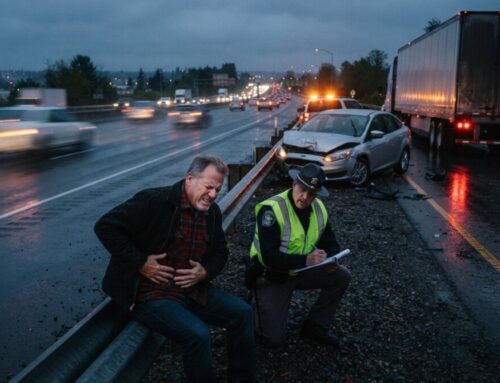
After a car accident, the immediate aftermath can feel overwhelming. You may be dealing with injuries, vehicle repairs, medical bills, and lost wages. One of the most critical documents you will encounter in the claims process is the accident demand letter. Understanding what this letter is and how to craft it effectively can mean the difference between a fair settlement and a prolonged legal battle. This article breaks down the purpose, structure, and strategy behind a demand letter so you can approach your claim with confidence.
What Is an Accident Demand Letter
An accident demand letter is a formal written document sent by an injured party (or their attorney) to the at-fault party’s insurance company. It outlines the facts of the accident, details the injuries and damages suffered, and demands a specific monetary amount to settle the claim without going to court. Think of it as the opening negotiation offer in a settlement dialogue.
The letter serves multiple purposes. It notifies the insurer of your intent to pursue compensation. It provides a clear summary of liability and damages. And it sets the stage for negotiations. A well-drafted demand letter can pressure the insurance adjuster to take your claim seriously and make a reasonable offer. Without it, you may struggle to get the insurer to acknowledge the full extent of your losses.
While you can write a demand letter yourself, hiring an experienced personal injury attorney often yields better results. Attorneys know how to value claims accurately, present evidence persuasively, and counter lowball offers. At CarInjuryAccident, we connect you with seasoned attorneys who specialize in car accident claims and can handle every aspect of your demand letter and settlement negotiations.
Why the Demand Letter Matters in Your Claim
The demand letter is not just a formality. It is the cornerstone of your settlement strategy. Insurance companies receive thousands of claims each year, and adjusters use demand letters to evaluate the strength of your case. A poorly written letter may lead to a low offer or a denial. A compelling letter can accelerate the process and maximize your recovery.
One key reason the demand letter matters is that it forces the insurer to put a dollar figure on your case early in the process. This can help you avoid the stress and expense of litigation. If the insurer rejects the demand or counters with an unreasonable amount, you can then consider filing a lawsuit. But in many cases, a strong demand letter leads to a fair settlement without ever stepping foot in a courtroom.
Another important aspect is that the letter establishes a record. If your case does go to trial, the demand letter can be introduced as evidence of your good-faith efforts to resolve the matter. It shows the court that you attempted to settle before resorting to litigation, which can reflect positively on your credibility.
Key Components of an Effective Accident Demand Letter
To be effective, your demand letter must include several essential elements. Each component serves a specific purpose and should be presented clearly and professionally. Below are the critical sections you should include:
- Case Summary: A brief overview of the accident, including the date, location, and parties involved. State clearly that the other driver was at fault.
- Liability Argument: Explain why the other party is legally responsible. Reference police reports, witness statements, and traffic laws to support your position.
- Injury and Treatment Details: Describe each injury sustained, the medical care received, and the prognosis. Attach medical records and bills as evidence.
- Pain and Suffering: Quantify non-economic damages such as physical pain, emotional distress, and loss of enjoyment of life. This is often calculated using a multiplier method.
- Lost Wages and Other Economic Losses: Document any time missed from work, reduced earning capacity, or out-of-pocket expenses related to the accident.
- Demand Amount: State a specific dollar amount you are requesting to settle the claim. Justify this figure by referencing the total damages.
- Deadline for Response: Give the insurer a reasonable time frame (usually 30 days) to respond before you consider legal action.
Once you have these sections drafted, review the letter carefully for accuracy and tone. The letter should be firm but not aggressive. Avoid emotional language or threats. Stick to the facts and let the evidence speak for itself. If you are unsure how to value your pain and suffering or how to present medical records, consult with an attorney. The team at CarInjuryAccident can match you with a lawyer who will prepare a demand letter tailored to your unique situation.
How to Calculate Your Demand Amount
Calculating the right settlement demand is one of the most challenging parts of the process. You want to ask for enough to cover all your losses, but not so much that the insurer dismisses your letter as unreasonable. Most attorneys use a combination of special damages (economic losses) and general damages (non-economic losses) to arrive at a fair number.
Start by totaling your special damages. This includes medical bills (past and future), lost wages, property damage, and any other out-of-pocket costs. Keep all receipts and records organized. Then, for general damages like pain and suffering, many attorneys apply a multiplier between 1.5 and 5 to the total special damages. The multiplier depends on the severity of your injuries, the duration of recovery, and the impact on your daily life. For example, a minor soft tissue injury might use a 1.5 multiplier, while a permanent disability could justify a 4 or 5 multiplier.
Another method is the per diem approach, where you assign a daily dollar amount for pain and suffering and multiply it by the number of days you experienced the pain. This method can be effective for injuries with a clear recovery timeline. Whichever method you choose, be prepared to justify your calculation in the demand letter. If your demand is too low, you may leave money on the table. If it is too high, you risk losing credibility. An experienced attorney can help you find the sweet spot.
Common Mistakes to Avoid in Your Demand Letter
Even a well-intentioned demand letter can backfire if it contains common errors. Avoiding these pitfalls can save you time and frustration. Here are some mistakes to watch for:
- Admitting Fault: Never apologize or accept blame for the accident. Let the evidence determine liability.
- Exaggerating Injuries: Do not inflate your injuries or claim symptoms you did not experience. Insurers will investigate and may use exaggeration to discredit you.
- Omitting Key Evidence: Failing to include medical records, photos, or witness statements weakens your case. Provide a complete packet.
- Setting an Unrealistic Deadline: A 10-day deadline may seem aggressive but can alienate the adjuster. Thirty days is standard and reasonable.
- Failing to Consult an Attorney: Insurance companies have teams of lawyers and adjusters working against you. Going it alone puts you at a disadvantage.
If you avoid these mistakes, your demand letter will carry more weight. However, the best way to ensure a strong letter is to work with a lawyer who handles personal injury cases daily. At CarInjuryAccident, we can connect you with top-rated attorneys who know exactly how to structure a demand letter that gets results.
What Happens After You Send the Demand Letter
Once the insurance company receives your demand letter, the adjuster will review it and the supporting documents. They may request additional information, such as a signed medical authorization or a recorded statement. Be cautious about providing a recorded statement without your attorney present, as adjusters may use your words against you.
The insurer will then respond with one of three outcomes: acceptance, rejection, or a counteroffer. Acceptance means they agree to pay the full demand amount, which is rare but possible. Rejection usually means the insurer disputes liability or the extent of damages. A counteroffer is the most common response, where the insurer offers a lower amount based on their own valuation. This begins the negotiation phase.
Negotiations can involve multiple rounds of offers and counteroffers. Your attorney will advise you on whether to accept, reject, or propose a new amount. If negotiations stall, you may need to consider mediation or filing a lawsuit. Having a legal partner throughout this process ensures you do not settle for less than you deserve. The attorneys in the CarInjuryAccident network are skilled negotiators who will fight for your best interests.
Frequently Asked Questions
Do I need an attorney to write a demand letter?
No, you can write one yourself. However, an attorney can significantly improve your chances of a fair settlement. They know how to value claims, gather evidence, and negotiate effectively. Many attorneys offer free consultations to review your case.
How long does it take to get a response after sending a demand letter?
Most insurers respond within 30 days. Some may respond sooner if the claim is straightforward. If you do not receive a response within the deadline you set, follow up with a phone call or consider escalating the matter.
What if the insurance company ignores my demand letter?
If the insurer ignores your letter, you may need to file a lawsuit to protect your rights. An attorney can help you decide the best course of action. Ignoring a claim is not typical, but it can happen if the insurer believes the claim is weak.
Can I send a demand letter after I have already started a lawsuit?
Yes, demand letters are often sent before a lawsuit as part of pre-litigation settlement efforts. If you have already filed a lawsuit, your attorney may send a demand letter as part of the discovery or settlement conference process.
Final Thoughts on Your Accident Demand Letter
An accident demand letter is your opportunity to present your case clearly and demand the compensation you deserve. It sets the tone for negotiations and can help you avoid the stress of a trial. By understanding what to include and what to avoid, you can craft a letter that gets the attention of insurance adjusters. If you need expert guidance, the attorneys at CarInjuryAccident are ready to help. Call us at 855-545-2917 to discuss your case and take the first step toward recovery.