How to File a Multi Vehicle Accident Claim
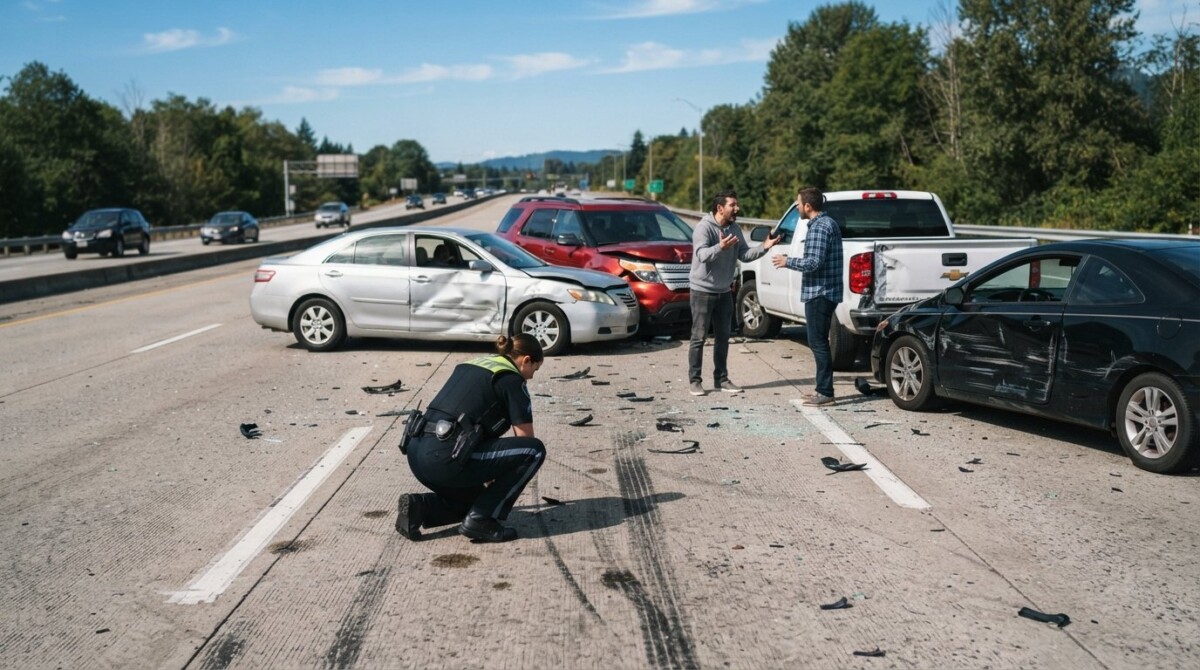
When multiple vehicles collide on a highway or busy intersection, the aftermath can feel overwhelming. You may be dealing with serious injuries, conflicting police reports, and several insurance companies pointing fingers at one another. A multi vehicle accident claim is more complex than a standard two-car crash because liability is rarely clear-cut. Understanding how these claims work, what evidence matters, and when to seek legal help can make the difference between a fair settlement and a financial disaster. This guide walks you through the process step by step, so you know exactly what to expect and how to protect your rights.
Why Multi Vehicle Accidents Are Legally Complex
A chain-reaction collision or a pileup on a freeway involves multiple drivers, each with their own version of events. Insurance adjusters will investigate to determine who caused the initial impact and whether other drivers contributed to the severity of the crash. In many states, liability is assigned on a percentage basis, meaning you could be found partially at fault even if you were not the primary cause. This is called comparative negligence, and it can reduce your compensation if your share of fault exceeds a certain threshold.
Another layer of complexity arises from the number of insurance policies involved. Each driver’s insurer will try to limit its payout by shifting blame to others. Without a clear legal strategy, you might receive settlement offers that are far below the cost of your medical bills, lost wages, and vehicle repairs. That is why a multi vehicle accident claim requires careful documentation and, often, professional negotiation.
If you are unsure who bears legal responsibility, our guide on who is responsible in multi vehicle accident claims can help you understand the rules of fault and how they apply to your situation.
Immediate Steps After a Multi Vehicle Accident
Your actions in the minutes and hours after the crash can significantly affect your claim. First, check for injuries and call 911. Even if you feel fine, adrenaline can mask pain, and a medical evaluation creates a record of your condition. Next, move to a safe location if possible, but do not leave the scene. Exchange information with all involved drivers, including names, phone numbers, insurance details, and license plate numbers.
While waiting for the police, take photos of the entire scene from multiple angles. Capture vehicle positions, skid marks, traffic signals, and any visible injuries. These images serve as unbiased evidence later. Also, talk to witnesses and ask for their contact information. Their statements can corroborate your account of events, which is especially valuable when other drivers dispute the sequence of the collision.
Report the accident to your insurance company as soon as you can, but stick to the facts. Do not speculate about fault or apologize, as insurers may interpret those words as an admission of liability. Keep a journal of your symptoms, medical appointments, and how the injuries affect your daily life. This documentation supports your claim for pain and suffering.
Determining Fault in a Multi Vehicle Pileup
Fault in a multi vehicle accident is not always assigned to the last car that rear-ended another. Investigators look at the entire chain of events. For example, if Driver A slams on brakes unexpectedly, causing Driver B to rear-end Driver C, Driver A may share liability for creating a hazard. Similarly, if Driver D was following too closely and pushed Driver C into the car ahead, Driver D could be primarily responsible for the resulting damage.
Police officers will write a report that includes their opinion on fault, but that report is not final. Insurance companies conduct their own investigations, reviewing traffic camera footage, black box data from vehicles, and witness statements. In some cases, accident reconstruction experts are brought in to simulate the crash and determine speed and impact angles. This level of analysis is common in catastrophic pileups where injuries are severe.
Because liability can be split among multiple parties, your claim may involve several insurance policies. For instance, if you are 20% at fault and two other drivers are 40% each, you can seek compensation from both policies. Understanding how to calculate this split is essential. If you have been injured, a lawyer can help you navigate these percentages and ensure you are not unfairly blamed.
What Damages Can You Recover?
Victims of multi vehicle accidents may be entitled to compensation for both economic and non-economic losses. Economic damages include medical expenses, both current and future, lost income if you cannot work, and the cost of repairing or replacing your vehicle. Non-economic damages cover pain and suffering, emotional distress, loss of enjoyment of life, and, in severe cases, loss of consortium with your spouse.
In most states, you must file a claim within a statute of limitations, typically two to three years from the date of the accident. Missing this deadline can bar you from ever recovering compensation. Additionally, if the accident involves a commercial truck or a rideshare vehicle, different rules and higher policy limits may apply. For instance, an Uber accident claim often requires dealing with the company’s liability coverage, which can be complicated.
To maximize your recovery, you need to prove the full extent of your damages. Keep all receipts, medical bills, and records of missed work. Your attorney may also consult with economists to project future lost earning capacity if your injuries lead to long-term disability.
How Insurance Companies Handle Multi Vehicle Claims
Insurance adjusters are trained to protect their company’s bottom line. They will often contact you soon after the accident to ask for a recorded statement. While it may seem routine, anything you say can be used to minimize your claim. Politely decline to give a statement until you have consulted with an attorney. If the adjuster pressures you, remember that you are not legally obligated to cooperate beyond providing basic information.
In a multi vehicle accident, insurers may also try to force you into arbitration or mediation to resolve the claim quickly. While alternative dispute resolution can sometimes be beneficial, it is not always in your best interest if liability is hotly contested. An experienced lawyer can assess whether a settlement offer is fair or if you should take the case to trial.
Another tactic insurers use is to dispute the severity of your injuries. They may send you to their own medical examiner or argue that your symptoms are pre-existing. To counter this, ensure you have a clear medical opinion from a doctor who documents how the accident worsened your condition. Consistent treatment records are vital.
The Role of an Attorney in a Multi Vehicle Accident Claim
Given the complexity of these cases, hiring an attorney is often the wisest decision you can make. A lawyer who handles personal injury cases will manage all communication with insurers, gather evidence, and negotiate on your behalf. They understand the tactics used by adjusters and can build a strong case for maximum compensation.
Legal representation is especially important if your injuries are severe, if the accident involves multiple vehicles with conflicting stories, or if a government entity owns the road where the crash occurred. In such scenarios, there may be additional notice requirements that must be met within days of the accident. Missing those deadlines can void your claim.
Most personal injury attorneys work on a contingency fee basis, meaning they only get paid if you win. This arrangement allows you to pursue justice without upfront costs. To find a qualified lawyer, you can use a service like CarInjuryAccident, which connects you with top-rated attorneys who specialize in car accidents. Their patented selection process ensures you are matched with a lawyer who has a proven track record in cases like yours.
If the accident involved a hit-and-run driver, your attorney can also guide you through uninsured motorist claims, as explained in our article on hit and run accident claim steps. This scenario adds another layer of complexity, but a skilled lawyer can help you access the coverage you need.
Frequently Asked Questions About Multi Vehicle Accident Claims
How long do I have to file a multi vehicle accident claim?
The statute of limitations varies by state, but it typically ranges from one to six years. For personal injury claims, the most common limit is two years from the date of the accident. It is critical to file your claim within this period, or you may lose your right to compensation. Consult with an attorney immediately to confirm the deadline in your state.
What if I am partially at fault?
Most states use a comparative negligence system, which allows you to recover damages even if you are partially at fault, but your compensation is reduced by your percentage of fault. For example, if you are awarded $100,000 but are found to be 20% at fault, you will receive $80,000. However, if you are more than 50% at fault in some states, you may receive nothing.
Can I claim against multiple insurance policies?
Yes, if multiple drivers are liable, you can file claims against each of their policies. Your attorney will determine the best strategy to maximize recovery, which may involve pursuing the driver with the highest policy limits first. Additionally, if you have underinsured motorist coverage, it can provide funds if the at-fault parties’ limits are insufficient.
What should I do if the insurance company offers a low settlement?
Do not accept the first offer without legal advice. Insurance companies often start with lowball offers, hoping you will settle quickly. An attorney can evaluate the true value of your claim and negotiate for a fair amount. If necessary, they can take the case to court to obtain a better award.
Do I need a lawyer for a minor fender bender?
If there are no injuries and property damage is minimal, you may be able to handle the claim yourself. However, even minor accidents can result in hidden injuries like whiplash, which may not appear for days. If you experience any pain, it is wise to consult with a lawyer who can advise you on the potential value of your claim.
Key Takeaways for Your Claim
To summarize, here are the critical points to remember when pursuing a multi vehicle accident claim:
- Gather comprehensive evidence at the scene, including photos, witness statements, and police reports.
- Seek immediate medical attention and follow all treatment recommendations to document your injuries.
- Do not speak to insurance adjusters without legal counsel.
- Understand that fault can be shared among multiple parties, affecting your final settlement.
- Consult with a personal injury attorney early in the process to protect your rights and meet all deadlines.
These steps are not just procedural; they directly impact the amount of compensation you receive. A well-documented claim with legal backing is far more likely to result in a fair outcome.
Final Thoughts
Dealing with the aftermath of a multi vehicle accident can be stressful, but you do not have to face it alone. The key is to act quickly, gather strong evidence, and seek professional legal guidance. An experienced attorney can handle the complexities of liability, insurance negotiations, and court proceedings, allowing you to focus on your recovery. If you have been involved in a pileup, contact a trusted legal service to discuss your options and get the representation you deserve.