
Highway Accident Claim: How to Maximize Your Settlement
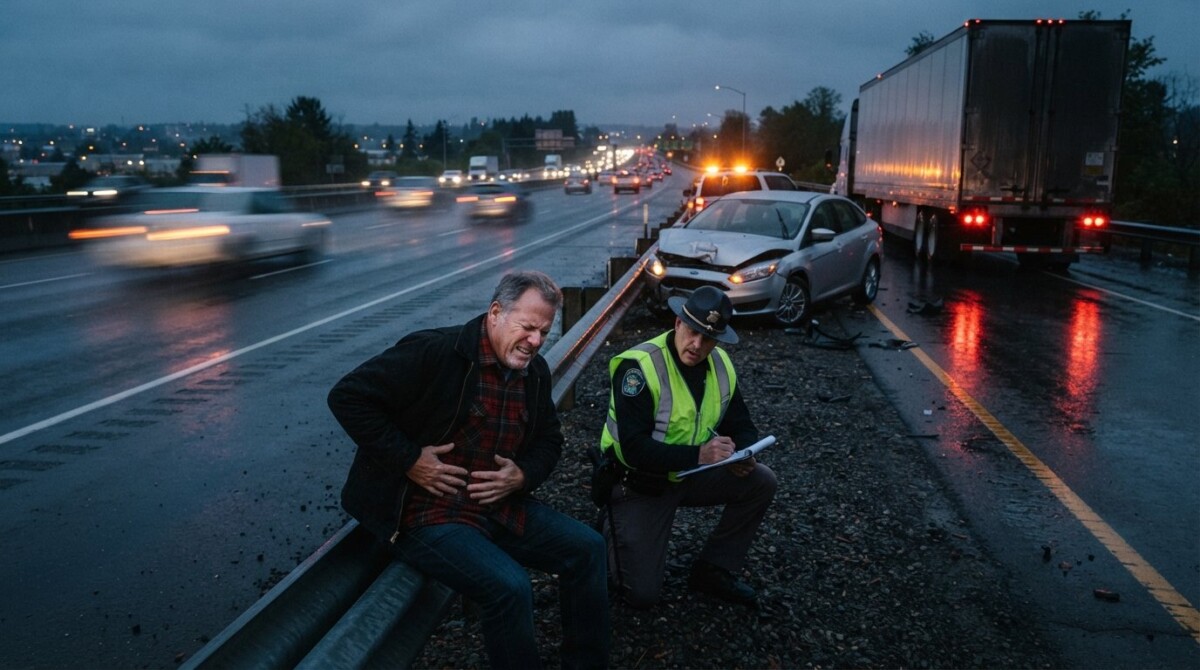
If you have been injured in a highway accident, you already know how overwhelming the aftermath can be. Between medical bills, vehicle repairs, lost wages, and insurance calls, the path to recovery can feel confusing. At the same time, the financial stakes are often high, and the legal process is rarely straightforward. That is why understanding how to build a strong highway accident claim is so important. With the right approach, you can protect your rights, negotiate effectively, and secure the full compensation you deserve.
This guide walks you through the essential steps after a highway crash, explains how fault is determined, and offers practical strategies to maximize your settlement. You will also learn when to involve an attorney and how to avoid common pitfalls that could reduce your payout.
Why Highway Accidents Are Different
Highway collisions differ from typical city street crashes in several ways. Speeds are higher, vehicles are heavier, and the chain of events often involves multiple parties. These factors can lead to more severe injuries, such as traumatic brain injuries, spinal cord damage, and internal bleeding. Consequently, medical expenses and rehabilitation costs tend to be higher, and the insurance claims process becomes more complex.
Another distinguishing feature is the involvement of commercial trucks. On interstates and freeways, large tractor-trailers share the road with passenger cars. When a car collides with a truck, the results are often catastrophic. These cases usually involve federal regulations, multiple insurance policies, and aggressive defense teams. Even in crashes involving only passenger vehicles, the high-speed impact can cause hidden injuries that do not appear until days later. Therefore, your initial response should focus on safety, evidence collection, and thorough medical evaluation.
Immediate Steps After a Highway Crash
Your actions in the first few minutes and hours after a collision can have a lasting impact on your highway accident claim. The following sequence is designed to protect you physically and legally.
- Move to safety and call 911. If your vehicle is drivable, pull onto the shoulder or a nearby exit. Turn on your hazard lights and remain inside your car if traffic is heavy. Call the police and report the crash, even if it seems minor.
- Exchange information. Gather the names, phone numbers, driver’s license numbers, license plate numbers, and insurance details of all drivers involved. Also, note the make and model of each vehicle.
- Document the scene. Use your smartphone to take photos of the damage, the road conditions, traffic signs, skid marks, and the positions of all vehicles. If there are witnesses, ask for their contact information and record their statements if possible.
- Seek medical attention. Even if you feel fine, see a doctor or go to an emergency room. Some injuries, like whiplash or concussions, may not show symptoms immediately. A medical record linking your injuries to the accident is vital for your claim.
- Notify your insurance company. Report the accident to your own insurer as soon as possible, but avoid giving a recorded statement until you have consulted an attorney.
These steps create a foundation for your case. The police report you request later will contain the officer’s observations and any citations issued, which can be useful evidence. Your medical records will establish the extent of your injuries and the costs of treatment.
Determining Fault and Liability
Insurance companies and courts assign fault based on negligence. To recover compensation, you must show that the other driver breached a duty of care and that this breach caused your injuries. On highways, common examples of negligence include speeding, tailgating, distracted driving, driving under the influence, and unsafe lane changes. However, fault is not always clear-cut. Multiple vehicles may be involved, or the actions of several parties may contribute to the crash.
In some states, comparative negligence rules apply. This means that if you are found to be even partially at fault, your settlement may be reduced by your percentage of fault. For example, if you were driving 5 mph over the speed limit and another driver rear-ended you, the insurer might argue that your speed contributed to the accident. To minimize this risk, never admit fault at the scene, and avoid making speculative statements about how the crash occurred. Let the investigation determine the facts.
In our guide on how to file a multi vehicle accident claim, we explain how liability becomes more complex when more than two drivers are involved. That resource can help you understand your legal options if you are in that situation.
Dealing with Insurance Companies
Insurance adjusters are not on your side. Their goal is to minimize the amount the company pays out. They may seem friendly and helpful, but they are trained to ask leading questions and to look for reasons to deny or devalue your claim. For this reason, you should approach every interaction with caution.
Do Not Give a Recorded Statement
After you file a claim, the adjuster will likely ask for a recorded statement. Politely decline and explain that you prefer to provide a written statement after you have consulted with an attorney. If you must speak, stick to the facts: where you were going, what you remember, and how you feel. Do not speculate about your injuries or the cause of the crash.
Understand Your Policy and the Other Party’s Limits
Your own uninsured/underinsured motorist coverage can play a crucial role if the at-fault driver lacks enough insurance. Also, if you have medical payments (MedPay) coverage, it can pay for immediate medical bills regardless of fault. Review your policy carefully and ask your attorney to explain any clauses you do not understand.
When dealing with the other driver’s insurer, be prepared for lowball offers. The first settlement offer is rarely fair. It is often a fraction of what your claim is worth. Therefore, you should not accept any offer without first calculating your full damages and consulting an expert.
Calculating Your Damages
Your compensation should cover both economic and non-economic losses. Economic damages are tangible and verifiable, such as:
- Past and future medical expenses, including surgery, therapy, and medication
- Lost wages and loss of earning capacity if you cannot return to work
- Vehicle repair or replacement costs
- Out-of-pocket expenses like transportation to medical appointments
Non-economic damages are more subjective but equally important. They include pain and suffering, emotional distress, loss of enjoyment of life, and loss of consortium if your injuries affect your relationship with your spouse. Because these damages are not tied to a receipt, they are often disputed by insurers. A skilled attorney can use medical records, expert testimony, and your own written diary to quantify your suffering.
In cases involving gross negligence or intentional misconduct, punitive damages may be available. These are designed to punish the wrongdoer and deter similar behavior. However, they are rarely awarded and are subject to strict legal standards.
When to Hire an Attorney
You might wonder, “Do I really need a lawyer for my highway accident claim?” The answer depends on the severity of your injuries and the complexity of the case. If your medical bills are modest and the accident was a simple rear-end collision, you may manage without one. However, if you have suffered a serious injury, if fault is disputed, or if a commercial truck is involved, you should seek legal representation.
Attorneys bring several advantages to your case. They know how to investigate the accident, preserve evidence, and calculate the true value of your claim. They also have experience negotiating with insurance companies and are not afraid to file a lawsuit if necessary. Most personal injury lawyers work on a contingency fee basis, meaning they only get paid if you win. This arrangement makes legal help accessible even if you cannot afford hourly fees.
If you are unsure whether you have a case, many firms offer free consultations. At CarInjuryAccident, we connect you with seasoned attorneys who specialize in personal injury. Our patented selection process identifies top-rated legal professionals who can guide you through every step of your claim.
Statute of Limitations and Deadlines
Each state has a time limit, called the statute of limitations, within which you must file a lawsuit. This deadline typically ranges from one to six years, depending on the state and the type of claim. If you miss the deadline, you lose your right to seek compensation altogether. Therefore, it is critical to act promptly.
Other deadlines may apply as well. For example, if you are filing a claim against a government entity, such as a state highway department, you may have only a few months to submit a notice of claim. An attorney can ensure that you meet all these deadlines and that your paperwork is completed correctly.
For a detailed breakdown of the timeframes involved, you can refer to our article on car accident claim settlement timeline key phases. This resource explains the various stages of a claim and how long each typically takes.
Negotiating a Fair Settlement
Once you have received medical treatment and your condition has stabilized, your attorney will prepare a settlement demand. This document outlines your injuries, medical expenses, lost wages, and other damages, and it asks the insurance company for a specific amount. The insurer may respond with a counteroffer, and negotiations begin.
A successful negotiation requires patience and strategy. You should never accept the first offer, as it is almost always too low. Your attorney will use evidence and legal precedent to justify your demand and will not hesitate to take the case to trial if the insurer refuses to pay a fair amount. In fact, the mere threat of a lawsuit can motivate the insurer to increase its offer.
If negotiations fail, your case may go to mediation or arbitration, which are alternative dispute resolution methods. If those do not work, you can file a lawsuit and proceed to trial. While trials are less common, they are sometimes necessary to achieve justice.
Hit-and-Run and Uninsured Motorist Scenarios
Being involved in a hit-and-run accident is frightening. The at-fault driver flees the scene, leaving you with injuries and unanswered questions. In such cases, your own insurance policy may cover your losses through uninsured motorist coverage. This coverage also applies when the at-fault driver has no insurance or when their policy limits are insufficient.
To make a successful claim under your own policy, you must report the accident to the police immediately and file a report. You should also notify your insurer within the time frame specified in your policy. In some states, you must have physical contact with the hit-and-run driver to qualify for coverage. An attorney can help you navigate these technical requirements.
For more guidance, our article on hit and run accident claim steps to maximize compensation offers practical advice that complements this discussion.
Common Mistakes That Can Ruin Your Claim
Many claimants inadvertently hurt their cases by making simple errors. Avoid these pitfalls to protect your right to compensation:
- Delaying medical treatment. A gap in treatment can be exploited by insurers to argue that your injuries are not serious or that they were caused by something else.
- Posting on social media. Anything you share online can be used against you. Do not post about your accident, your injuries, or your daily activities while your claim is pending.
- Signing a release too early. An insurance company may ask you to sign a release before you fully understand the extent of your injuries. Once you sign, you cannot seek additional compensation.
- Providing a recorded statement without legal counsel. As noted, this can hurt your case.
- Handling the claim alone. While it is possible, it is risky. An experienced attorney can increase your settlement amount significantly.
Frequently Asked Questions
What is my highway accident claim worth?
The value of your claim depends on the severity of your injuries, the quality of your evidence, the insurance limits, and the degree of fault. There is no fixed formula. An attorney can provide a more accurate estimate after reviewing your case.
Can I claim compensation if I was partially at fault?
Yes, in most states you can still recover damages, but your settlement will be reduced by your percentage of fault. For example, if you were 20% at fault, you would receive only 80% of the total damages. Some states, such as those with pure comparative negligence rules, allow you to recover even if you are 99% at fault. Others, like those with contributory negligence rules, bar recovery if you are even 1% at fault.
How long do I have to file a lawsuit?
The statute of limitations varies by state. For personal injury claims, it is typically two years, but it can be longer in some states and shorter in others. Consult an attorney immediately to ensure you do not miss the deadline.
What should I do if the insurance company offers a quick settlement?
You should be skeptical. If the offer is made before you have reached maximum medical improvement, it is likely too low. Consult with an attorney before accepting any offer.
Take Action to Protect Your Recovery
The aftermath of a highway accident can be a confusing time, but you do not have to navigate it alone. Understanding the legal process and your rights is the first step. By following the guidelines in this article, you can build a strong case and avoid common mistakes. However, for serious injuries or complex claims, the guidance of a qualified attorney is invaluable.
At CarInjuryAccident, we are dedicated to connecting you with experienced personal injury lawyers who can handle every aspect of your highway accident claim. Our team understands the tactics insurers use, and we will work tirelessly to maximize your recovery. If you are ready to take the next step, contact us today for a free consultation. Your financial future may depend on the choices you make now.