Speeding Accident Claim: How to Prove Fault and Get Paid
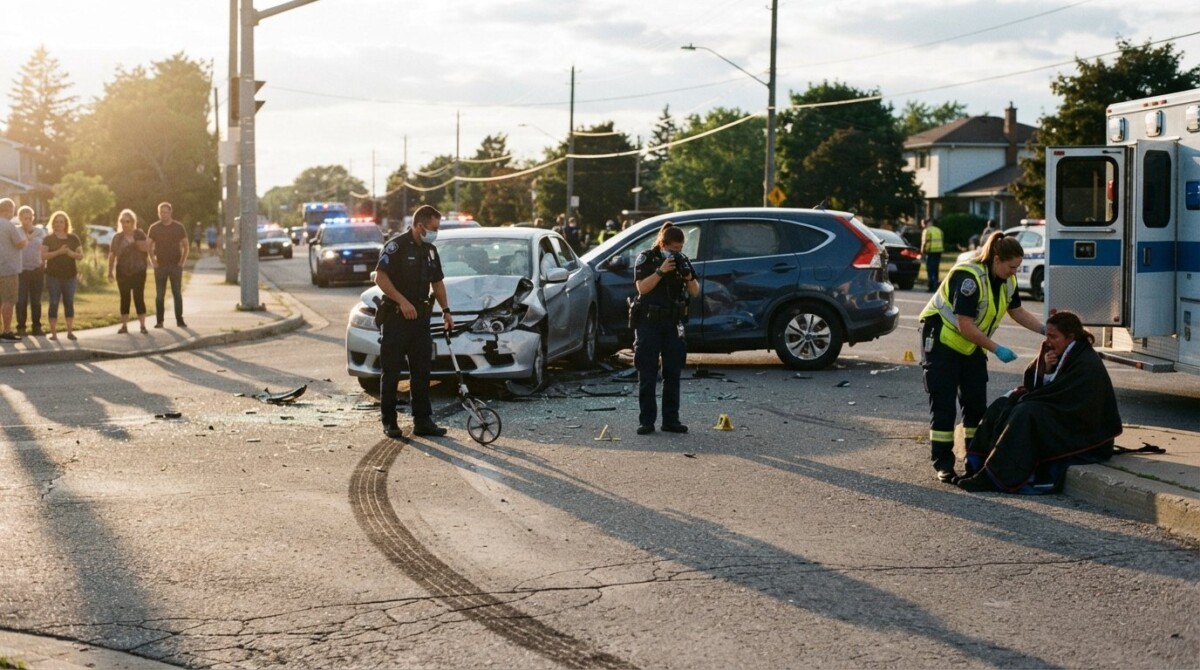
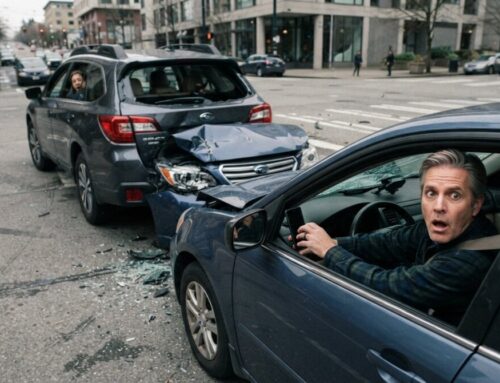
A speeding driver closes the gap in seconds. The impact can fracture bones, damage the spine, and upend your finances in a single moment. If you were hurt by someone driving above the limit, you have the right to pursue a speeding accident claim, but the path to fair compensation is not automatic. Insurers push back, dispute fault, and look for reasons to reduce or deny what you are owed. Understanding how speed becomes provable fault, what damages you can recover, and which mistakes weaken a case can mean the difference between a lowball offer and a settlement that covers your recovery.
Why Speed Matters in a Crash Claim
Speed is not just a detail in the police report. It is often the central fact that determines who pays and how much. When a driver exceeds the posted limit or drives too fast for conditions, that choice becomes evidence of negligence. Courts and insurers treat excessive speed as a form of reckless behavior, which can open the door to higher damages, including in some states punitive awards.
The physics reinforce the legal argument. A vehicle traveling at 60 mph carries roughly four times the kinetic energy of one moving at 30 mph. That energy transfers into the crash, producing more severe injuries, longer hospital stays, and higher medical bills. In a speeding accident claim, this relationship between speed and harm helps establish both liability and the scope of damages. If you want to see how fault is proven in a related context, our guide on proving liability in a drunk driving claim walks through the same evidentiary logic.
Insurance adjusters know this. That is why they often try to shift blame onto the victim, arguing the injured party was also speeding, distracted, or failed to yield. Anticipating those arguments early gives your attorney room to gather the evidence that keeps fault where it belongs: on the driver who chose to speed.
How to Prove a Speeding Driver Caused Your Injuries
Proving speed requires more than saying the other car was going fast. You need a record that a judge, jury, or adjuster will accept. The strongest speeding accident claims combine official data with witness accounts and physical evidence. The more independent sources you have, the harder it becomes for the insurer to deny responsibility.
Key evidence in these cases typically includes:
- Police crash reports noting speed, citations, or a driver’s admission
- Event data recorders (black boxes) that capture pre-crash speed and braking
- Eyewitness statements from passengers, pedestrians, or other motorists
- Surveillance or dashcam footage showing the vehicle’s approach and impact
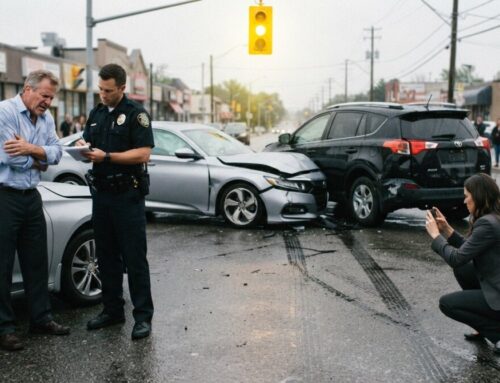
- Accident reconstruction reports using skid marks, damage patterns, and road conditions
Event data recorders are especially valuable because they produce objective numbers. Many modern vehicles store speed, throttle position, and brake pressure in the seconds before a collision. An attorney can send a preservation letter to the at-fault driver’s insurer or vehicle manufacturer to prevent that data from being overwritten. Once preserved, a reconstruction expert can translate the numbers into a clear narrative of excessive speed.
Witness testimony fills the gaps. A bystander who saw the car weaving or heard the engine revving before impact can corroborate the data. Physical evidence, such as the distance the vehicle traveled after the crash or the depth of the crush damage, supports the conclusion that speed was a factor. When these pieces align, the insurer’s options shrink.
Damages You Can Recover in a Speeding Accident Claim
A speeding accident claim can recover both economic and non-economic losses. Economic damages are the tangible costs: emergency care, surgery, rehabilitation, prescriptions, lost wages, and reduced future earning capacity. Non-economic damages cover pain, suffering, emotional distress, and loss of enjoyment of life. In cases involving egregious speeding, some states allow punitive damages designed to punish the driver and deter others.
The severity of a high-speed crash often means injuries are catastrophic rather than minor. Traumatic brain injuries, spinal cord damage, internal bleeding, and multiple fractures require long-term care and can permanently change a person’s ability to work and live independently. Documenting those future needs is essential. A life care planner or medical economist can project costs years into the future so the settlement reflects the true impact.
Insurance companies routinely undervalue these claims by focusing only on immediate medical bills. They may ignore future surgery, therapy, or the emotional toll on family members. An experienced attorney builds a damages model that captures the full picture and uses it as leverage in negotiations. If you are also dealing with a crash at a crossing, our guide on maximizing an intersection accident payout explains how fault and damages interact in complex scenarios.
Steps to Take After a Speeding-Related Crash
What you do in the hours and days after a crash can protect or undermine your claim. The at-fault driver’s insurer will begin building a defense immediately, sometimes before you leave the hospital. Your own actions should focus on preserving evidence and avoiding statements that can be twisted against you.
Follow these steps to strengthen your speeding accident claim:
- Call 911 and request a police report that documents speed and any citations.
- Seek medical attention even if you feel fine, since adrenaline can mask serious injuries.
- Photograph the scene, vehicle damage, skid marks, and road conditions.
- Collect contact information from witnesses and ask what they saw.
- Avoid posting about the crash on social media and do not give recorded statements to insurers.
Each step feeds into the next. A police report that notes speed gives your attorney a foundation. Medical records link the crash to your injuries. Witness contacts allow an investigator to lock in testimony before memories fade. Social media silence prevents the insurer from finding a photo or comment that suggests you are less injured than you claim.
If the crash happened on a highway, the stakes rise because speeds are higher and evidence can be scattered over a long distance. Our guide on maximizing a highway accident settlement covers the unique challenges of those cases, from multiple vehicles to commercial truck involvement.
Dealing With Insurance Companies After a Speeding Crash
Insurers are businesses, not charities. Their goal is to pay as little as possible, and speeding cases threaten their bottom line because fault is often clear and damages are high. Adjusters may call quickly, sound sympathetic, and ask for a recorded statement. That call is a trap. Anything you say can be edited or taken out of context to suggest you were partly responsible or that your injuries are minor.
You are not required to give a recorded statement to the other driver’s insurer. You can politely decline and direct all communication to your attorney. Once representation is in place, the insurer must contact your lawyer instead of you. This removes pressure and prevents accidental admissions.
The first settlement offer is almost never the final one. It is a starting point designed to test whether you understand the value of your claim. An attorney responds with a demand package that includes medical records, bills, lost wage documentation, expert reports, and a detailed analysis of liability. The goal is to make the insurer see the risk of going to trial, where a jury could award far more than the policy limits.
Bad faith is another consideration. If an insurer unreasonably delays, denies, or undervalues a valid speeding accident claim, it may be liable for damages beyond the policy. That threat gives your attorney additional leverage and can push a stubborn adjuster toward a fair resolution.
Common Mistakes That Weaken a Speeding Claim
Even strong cases can be damaged by early missteps. One of the most common is waiting too long to file. Every state has a statute of limitations for personal injury claims, typically two to three years, but some are shorter. Missing the deadline usually means losing the right to recover anything.
Another mistake is accepting a quick settlement before the full extent of injuries is known. A fracture may require surgery months later. A brain injury may reveal cognitive deficits over time. Once you sign a release, you cannot go back for more, even if new problems emerge.
Failing to document lost income is a third pitfall. If you are self-employed or work irregular hours, proving lost wages requires tax returns, invoices, and client records. Gathering those documents early prevents the insurer from disputing your losses. Finally, handling the claim alone against a determined adjuster often results in a payout far below what a lawyer could secure.
How CarInjuryAccident Helps You Pursue a Speeding Accident Claim
CarInjuryAccident is built for people facing serious legal challenges after a crash. The platform connects you with a team of seasoned attorneys who focus on personal injury, including speeding accident claims. Instead of cold-calling random firms, you get a curated match based on your case details, location, and needs.
The patented attorney selection process identifies top-rated legal professionals, so you are not gambling on an unknown lawyer. You can request a quick, customized quote and compare options before committing. The emphasis is on expertise and reliability, because a speeding claim often requires accident reconstruction, medical experts, and aggressive negotiation with insurers.
If you are also dealing with financial hardship or family law matters related to the crash, the platform can guide you toward attorneys in those areas as well. The goal is to make legal help accessible and trustworthy, so you can focus on recovery while a dedicated advocate handles the paperwork, deadlines, and pressure from insurance companies.
Frequently Asked Questions About Speeding Accident Claims
How long do I have to file a speeding accident claim?
The deadline depends on your state’s statute of limitations. Most allow two to three years from the date of the crash, but some are shorter. Claims against government entities may require notice within months. Contact an attorney promptly to avoid missing the window.
What if I was partly at fault for the crash?
Many states follow comparative negligence rules. Your compensation may be reduced by your percentage of fault, but you can still recover if the other driver was mostly responsible. In a few states, any fault on your part bars recovery entirely. A lawyer can explain how your state handles this.
Can I get punitive damages if the driver was speeding?
Punitive damages are available in some states when conduct is especially reckless, such as extreme speeding in a school zone or while intoxicated. Not all speeding rises to that level. Your attorney can assess whether the facts support a punitive claim.
Do I need an accident reconstruction expert?
Not every case requires one, but high-speed crashes often benefit from expert analysis. A reconstruction expert can use black box data, skid marks, and damage patterns to prove speed and impact forces. This evidence is powerful in negotiations and at trial.
How much does it cost to hire a lawyer for a speeding accident claim?
Most personal injury attorneys work on contingency, meaning you pay nothing upfront and the fee comes out of the settlement or award. If there is no recovery, you typically owe no attorney fee. This makes legal representation accessible even when money is tight.
A speeding accident claim is about more than assigning blame. It is about securing the resources you need to heal, replace lost income, and move forward after someone else’s reckless choice. The evidence is often on your side, but only if it is gathered, preserved, and presented effectively. Whether you are negotiating with a stubborn insurer or preparing for trial, having a skilled attorney in your corner changes the outcome. Take the first step by documenting everything, avoiding early settlement offers, and connecting with a legal professional who understands how speed translates into liability and damages.