Intersection Accident Claim: Key Steps to Maximize Payout
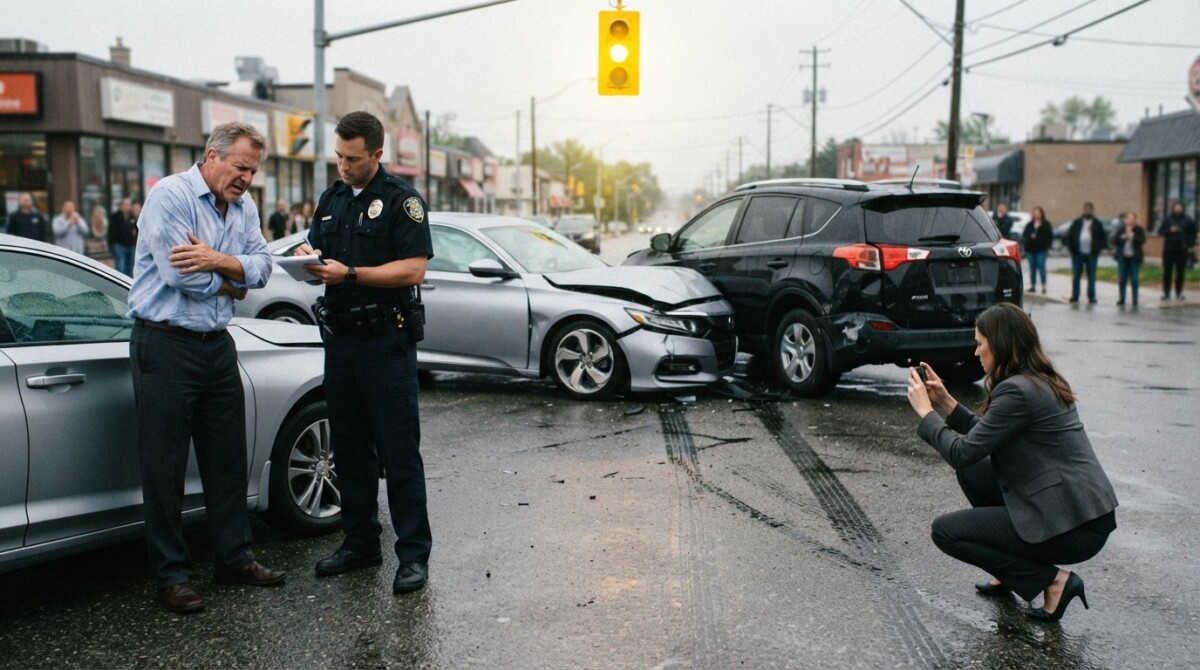
Intersections are among the most dangerous points on any road. The National Highway Traffic Safety Administration estimates that nearly 40% of all car accidents occur at intersections, and many of these crashes involve complex questions of fault. If you have been injured in a collision at a stop sign, traffic light, or uncontrolled crossing, you are likely facing medical bills, vehicle repairs, and lost wages. The path to fair compensation can feel overwhelming, but understanding how an intersection accident claim works is the first step toward protecting your rights and securing the settlement you deserve.
This guide walks you through the critical steps after an intersection crash, from documenting evidence to negotiating with insurers. You will learn how fault is determined, what damages you can recover, and why having experienced legal representation can significantly impact the outcome of your case. If you need personalized advice, the team at CarInjuryAccident can connect you with attorneys who handle intersection collision cases daily.
Why Intersection Accidents Are Unique in Personal Injury Law
Intersection crashes present special challenges that set them apart from other types of car accidents. Multiple vehicles are often involved, each with a different version of events. Witnesses may be scarce, and traffic signals may not have captured the moment of impact. These factors make it difficult to establish liability without a thorough investigation.
Another layer of complexity comes from the rules of the road. Right-of-way laws, turning regulations, and traffic light violations are all governed by state statutes. A minor detail, such as whether a driver had a green arrow or was making an illegal U-turn, can completely change the outcome of an intersection accident claim. This is why preserving evidence and seeking legal counsel early is so important.
Insurance companies know these complexities and often use them to shift blame onto you. They might argue that you were speeding, that you failed to yield, or that the other driver’s actions were unpredictable. Without strong evidence and a clear legal strategy, you could end up with a reduced settlement or even a denied claim. Understanding the nuances of intersection accident law helps you level the playing field.
Determining Fault in an Intersection Collision
Fault is the cornerstone of any intersection accident claim. In most states, the at-fault driver’s insurance pays for your damages, so establishing liability is essential. Several factors are used to determine who caused the crash, and each one requires careful analysis.
Traffic Light and Sign Violations
Running a red light or ignoring a stop sign is the most common cause of intersection accidents. If you have clear evidence that the other driver violated a traffic signal, their liability is usually straightforward. However, disputes can arise over yellow light timing, malfunctioning signals, or whether the light had just turned red. In such cases, an accident reconstruction expert may be needed to prove fault.
Right-of-Way Rules and Turning Accidents
Left-hand turns are particularly risky. The turning driver must yield to oncoming traffic, and if they misjudge the gap, a T-bone collision is likely. Similarly, failing to yield when entering a roundabout or making an illegal right-on-red can establish negligence. The specific facts of your case will dictate how these rules apply.
Comparative Negligence and Shared Fault
Many states use comparative negligence rules, which allow you to recover damages even if you are partially at fault. However, your settlement is reduced by your percentage of fault. For example, if you were found 20% responsible for the crash, your compensation would be cut by that amount. Some states have a 50% or 51% bar, meaning you cannot recover at all if you are mostly at fault. A skilled attorney can help minimize your assigned fault percentage through evidence and negotiation.
Proving fault in an intersection accident often requires a combination of police reports, traffic camera footage, witness statements, and vehicle damage analysis. The sooner you gather this evidence, the stronger your claim will be.
Step-by-Step Guide to Filing an Intersection Accident Claim
Taking the right steps immediately after an intersection crash can make the difference between a quick settlement and a lengthy legal battle. Follow this proven process to protect your claim.
- Call the police and seek medical attention. Even if you feel fine, some injuries, such as whiplash or internal bleeding, may not surface for days. A police report provides an official record of the accident, and prompt medical care documents the link between the crash and your injuries.
- Gather evidence at the scene. Take photos of all vehicles, the intersection, traffic signals, skid marks, and your visible injuries. Exchange contact and insurance information with the other driver, and ask witnesses for their contact details.
- Notify your insurance company. Report the accident promptly, but stick to the facts. Avoid admitting fault or speculating about what happened. Your words can be used against you later.
- Consult with an attorney before speaking to the other insurer. The other driver’s insurance company may contact you quickly, often with a settlement offer. Do not accept it without legal advice. An attorney can negotiate on your behalf and ensure you receive fair compensation.
- Document your damages. Keep all medical bills, receipts for out-of-pocket expenses, proof of lost wages, and records of any other losses related to the accident. This documentation is critical for calculating your claim’s value.
Following these steps not only strengthens your case but also protects you from common pitfalls that can devalue your claim. For a more detailed breakdown of the timeline and phases of a car accident claim, see our guide on car accident claim settlement timeline.
What Damages Can You Recover in an Intersection Accident Claim?
If you have been injured in an intersection collision, you may be entitled to compensation for both economic and non-economic damages. Understanding the full scope of what you can claim helps you avoid settling for less than you deserve.
- Medical expenses: This includes emergency room visits, surgery, hospital stays, physical therapy, prescription medications, and future medical care related to your injuries.
- Lost wages and loss of earning capacity: If your injuries prevent you from working, you can recover compensation for the income you have lost, as well as for reduced earning potential if your injuries cause long-term disability.
- Pain and suffering: This covers the physical pain, emotional distress, and loss of enjoyment of life caused by the accident. These damages can be substantial, especially in intersection crashes that result in chronic pain or post-traumatic stress.
- Property damage: The cost to repair or replace your vehicle, as well as any other personal property damaged in the crash.
In some cases, punitive damages may also be awarded if the other driver’s actions were particularly reckless, such as in a drunk driving accident. However, these are rare and require clear proof of intentional misconduct.
Calculating a fair settlement amount is not always straightforward. Insurance companies often use complex algorithms to value claims, and they may try to downplay the severity of your injuries. An experienced attorney can help you estimate the true worth of your claim, factoring in both current and future losses.
How Insurance Companies Handle Intersection Accident Claims
Dealing with insurance adjusters can be one of the most frustrating parts of the claims process. Adjusters are trained to protect their company’s bottom line, not your interests. They may use various tactics to minimize your payout, such as disputing liability, questioning medical treatment, or pressuring you to settle quickly.
One common tactic is to offer a lowball settlement early in the process, hoping you will accept it out of desperation. If you have unpaid medical bills and no income, you might feel tempted to take whatever is offered. However, this initial offer is almost always less than what your claim is worth. Once you accept a settlement, you cannot go back and ask for more, even if your injuries worsen or you discover additional damages.
Another issue is the insurance company’s interpretation of the evidence. They might argue that you were partially at fault, even if you clearly had the right of way. This is why having a legal advocate is so important. A lawyer can counter these arguments with evidence, negotiate from a position of strength, and if necessary, take your case to trial.
Why You Need an Attorney for Your Intersection Accident Claim
Navigating an intersection accident claim on your own is risky, especially when serious injuries are involved. The legal system is complex, and insurance companies have teams of lawyers on their side. You need someone who understands the nuances of personal injury law and can fight for your rights.
An attorney can conduct a thorough investigation, gather crucial evidence, and consult with accident reconstruction experts. They can also handle all communication with insurance companies, protecting you from making statements that could harm your case. Perhaps most importantly, they can negotiate for a settlement that truly reflects the impact the accident has had on your life.
If your case goes to court, having a skilled trial lawyer is indispensable. They can present your case to a jury in a compelling way, maximizing your chances of a favorable verdict. In our experience, intersection accident claims handled by attorneys result in significantly higher settlements than those handled by individuals alone.
Frequently Asked Questions About Intersection Accident Claims
How long do I have to file an intersection accident claim?
Every state has a statute of limitations for personal injury claims, which typically ranges from one to three years from the date of the accident. In some states, the deadline may be shorter if the claim is against a government entity. It is crucial to consult with an attorney as soon as possible to ensure you do not miss the filing deadline.
What if the other driver is uninsured?
If the at-fault driver has no insurance, you may still be able to recover through your own uninsured motorist coverage. This coverage is not required in every state, but if you have it, it can provide compensation for your injuries. An attorney can help you explore all available options.
Can I still claim if I was partially at fault?
Yes, in most states you can still recover damages if you are partially at fault, though your settlement will be reduced by your percentage of fault. A lawyer can help minimize your share of the blame by presenting evidence that shifts responsibility to the other driver.
Take Action to Protect Your Rights
Being involved in an intersection accident can turn your life upside down. Between medical appointments, vehicle repairs, and dealing with insurance companies, you have enough on your plate. The legal team at CarInjuryAccident is here to help. We connect you with experienced attorneys who specialize in intersection accident claims and who will fight to maximize your compensation. Do not wait until it is too late. Contact us today for a free case evaluation, and take the first step toward recovering the damages you are entitled to.