Texting While Driving Accident Claim: How to Prove Fault and Win
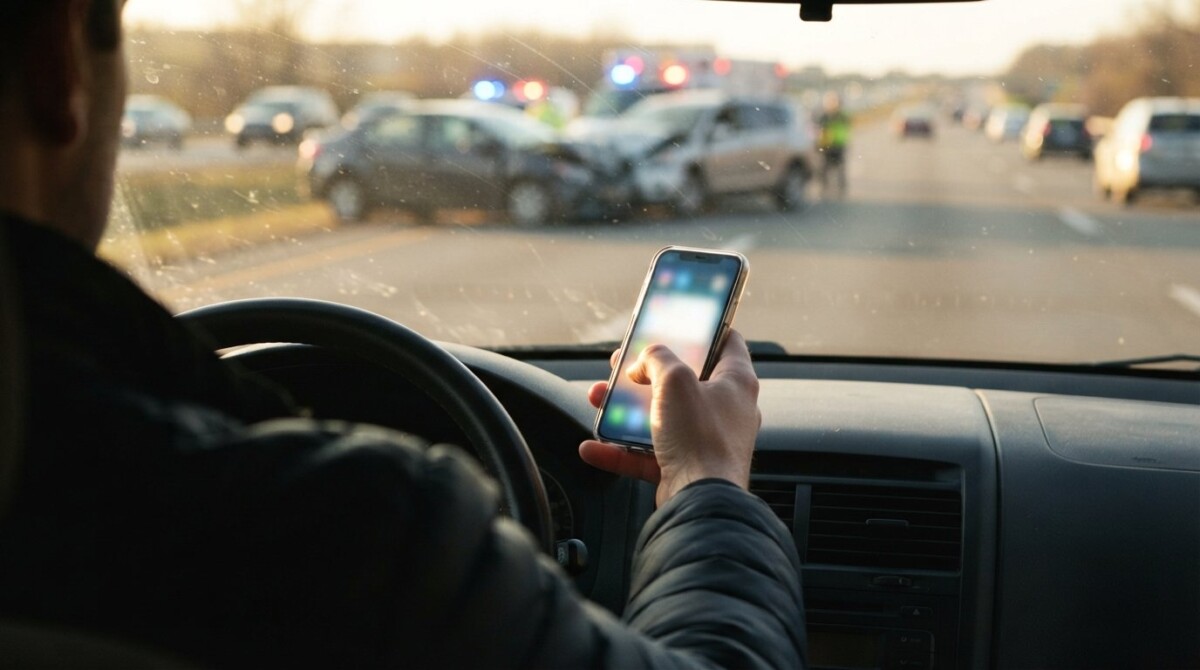
When a distracted driver slams into your car, the path to fair compensation can feel impossibly steep. You are hurt, your vehicle is wrecked, and the other driver may deny everything. Yet the law is on your side if you can prove that the other motorist was texting behind the wheel. A texting while driving accident claim hinges on evidence that places a phone in the driver’s hand at the exact moment of impact. That evidence exists more often than people realize, and with the right legal team, it can transform a denied claim into a full recovery. This article explains how to build a persuasive case, what evidence matters most, and how an experienced attorney can pressure insurers into paying what you deserve.
Why Texting While Driving Is a Form of Negligence
Every state except Montana has some form of ban on texting while driving. In most jurisdictions, the behavior is considered a primary offense, meaning an officer can pull a driver over solely for texting. That legal landscape matters for your claim because it establishes a clear standard of care. When a driver chooses to text, they breach the duty to operate their vehicle safely. That breach is negligence, and negligence is the foundation of a personal injury claim.
Texting is not a minor distraction. The National Highway Traffic Safety Administration estimates that sending or reading a text takes a driver’s eyes off the road for about five seconds. At 55 mph, that is enough time to travel the length of a football field blind. Courts and juries understand this danger, which is why texting while driving cases often carry a punitive element. In some states, you may even pursue additional damages if the at-fault driver’s conduct was particularly reckless.
Proving negligence in a texting case requires four elements: duty, breach, causation, and damages. Duty is easy: all drivers owe others a duty to drive reasonably. Breach is where the texting evidence comes in. Causation connects the distraction to the crash. Damages cover your injuries, lost wages, and pain and suffering. A skilled attorney will gather evidence for each element and present it in a way that leaves no room for doubt.
Evidence That Proves the Other Driver Was Texting
Direct proof of texting is rare. Most drivers will not admit they were on their phone. However, a trail of digital and circumstantial evidence usually exists. Phone records can show whether a text was sent or received at the time of the collision. Surveillance footage from nearby businesses, traffic cameras, or even dashcams can capture the driver’s hand position or the glow of a screen. Witness statements often mention seeing the driver looking down.
Your attorney can also use accident reconstruction to show that the other driver never braked or reacted, which is consistent with distraction. In some cases, the driver’s own social media posts or messaging apps reveal activity right before the crash. An experienced lawyer knows how to obtain these records through subpoenas and preservation letters. If you try to handle this alone, you may miss critical deadlines, and the evidence could be deleted.
If you were injured in a crash involving a suspected distracted driver, you should treat your case like any other serious negligence claim, but with a sharper focus on digital evidence. The steps you take in the first few days can make or break your ability to recover. One of the first things you should do is contact a law firm that handles these cases regularly. CarInjuryAccident connects you with attorneys who know how to secure phone records and work with experts to prove distraction.
- Phone records: Subpoenaed from the wireless carrier to show text timestamps.
- Dashcam or surveillance video: Captures visual evidence of the driver looking down.
- Witness testimony: Statements from other drivers or pedestrians.
- Accident reconstruction: Shows lack of evasive action or delayed braking.
- Social media activity: Posts or messages sent near the time of the crash.
Each piece of evidence strengthens the others. For example, a phone record showing a text sent at 2:15 p.m. combined with a witness who saw the driver looking down at 2:15 p.m. creates a powerful narrative. Your attorney will weave these facts into a compelling demand package that insurers cannot easily dismiss. The goal is to make the insurance adjuster understand that a jury would likely find the other driver responsible, which increases the settlement value.
Steps to Take Immediately After a Texting While Driving Accident
What you do at the scene and in the days that follow can significantly affect your claim. The moments after a crash are chaotic, but a few deliberate actions can protect your rights. First, call 911 and request police and medical assistance. Even if you feel fine, some injuries like whiplash or concussions appear later. A police report will document the other driver’s statements and any citations issued.
Second, if you can safely do so, take photos of the vehicles, the road conditions, and any visible injuries. Look for skid marks or lack thereof, which can indicate the driver did not brake. Third, exchange information with the other driver, but do not discuss fault. Anything you say can be used against you later. Fourth, collect contact information from witnesses. Their memories fade quickly, so a quick note or text to them can help your attorney follow up.
Finally, do not speak to the other driver’s insurance company without legal representation. Adjusters are trained to get you to say something that minimizes your claim. They may ask for a recorded statement or offer a quick settlement that is far less than your case is worth. Instead, hire an attorney who can handle all communications. If you are unsure where to start, a service like CarInjuryAccident can match you with a qualified lawyer in your area. For crashes involving impaired drivers, the principles are similar to those in a drunk driving accident claim, where proving liability often requires a careful review of police reports and toxicology results.
Document everything: keep a folder with medical bills, repair estimates, and a pain journal. These records help your attorney calculate the full value of your claim, including future medical needs and lost earning capacity. Without this documentation, you may leave money on the table.
How to Prove Causation in a Texting Case
Causation is often the most contested element in a texting while driving accident claim. The defense will argue that the driver was distracted for other reasons, or that the crash was unavoidable. To counter this, your attorney must present a clear timeline that links the texting to the collision. Phone records alone may not be enough because they show when a text was sent, not whether the driver was reading it. However, when combined with other evidence, they become powerful.
An accident reconstruction expert can analyze the physics of the crash to show that the other driver had ample time to react but did not. If the driver never applied the brakes, that supports distraction. If the driver drifted into your lane, that also suggests inattention. In some cases, the driver may have been using a navigation app or social media, which also qualifies as distraction. Your attorney can subpoena data from the phone itself if the driver consents or if a warrant is obtained.
Even if the other driver denies texting, the totality of the circumstances can convince a jury. For example, if the driver was seen holding a phone, if the phone records show activity, and if the crash occurred in clear weather with no other explanation, the inference is strong. Juries are increasingly educated about the dangers of distracted driving, and they tend to punish drivers who text. That is why many texting cases settle before trial for higher amounts.
If your case involves a crash at an intersection, the evidence may overlap with other negligence theories. For instance, a driver who runs a red light while texting may be liable for both distracted driving and traffic violations. In such scenarios, your attorney might also explore how an intersection accident claim can be strengthened by cell phone records and witness accounts. The key is to build multiple layers of proof so that even if one piece of evidence is challenged, others remain.
Dealing with Insurance Companies and Lowball Offers
Insurance companies are businesses. Their goal is to pay as little as possible. When a claim involves texting while driving, they know that a jury could award significant damages, so they may initially offer a settlement that seems reasonable but is actually far below what you need. They may also delay processing, hoping you will accept less out of financial desperation.
An experienced attorney will not let that happen. Your lawyer will send a demand letter that outlines the evidence, your injuries, and the legal basis for liability. The demand letter puts the insurer on notice that you are represented and that you are prepared to go to trial. This often leads to a more serious settlement offer. If the insurer still refuses to pay fairly, your attorney can file a lawsuit and use the discovery process to obtain more evidence.
In some cases, the other driver may have limited insurance coverage. If so, your own uninsured or underinsured motorist coverage may apply. Your attorney can help you navigate that process, which is often complex. They can also investigate whether the at-fault driver was acting within the scope of their employment, which could open up additional insurance policies. For example, if the driver was a delivery worker texting on the job, the employer may be liable.
If you were injured on a highway by a distracted driver, the stakes are even higher due to the speeds involved. A highway accident claim often involves severe injuries and substantial damages. Your attorney will need to prove that the other driver’s texting caused a catastrophic collision. The same evidence used in a texting case applies, but the damages may include long-term care and lost quality of life.
Compensation You Can Recover in a Texting While Driving Accident Claim
Your settlement or verdict should cover all the ways the crash has affected your life. Economic damages include medical bills, future medical care, lost wages, and reduced earning capacity. Non-economic damages include pain and suffering, emotional distress, and loss of enjoyment of life. In cases involving extreme recklessness, you may also recover punitive damages, which are designed to punish the wrongdoer and deter others.
To maximize your recovery, you need to document everything. Keep all receipts, medical records, and a diary of your symptoms. Tell your doctor about all your complaints, even if they seem minor. Your attorney will work with medical experts to project future costs. They may also hire an economist to calculate lost earning potential.
Many people underestimate the value of their claim because they do not know what damages are available. An attorney can evaluate your case and give you a realistic estimate. They can also negotiate with lienholders, such as health insurance companies or hospitals, to reduce what you owe from your settlement. This can put more money in your pocket.
Frequently Asked Questions About Texting While Driving Accident Claims
Can I sue if the other driver was texting but there is no proof?
You can still file a claim based on circumstantial evidence. Your attorney can subpoena phone records and use expert testimony to show that the driver was distracted. Even without direct proof, the pattern of the crash may be enough to convince a jury.
What if the other driver denies texting?
Denials are common. Your attorney will gather other evidence, such as witness statements, dashcam footage, and accident reconstruction. If the case goes to trial, the burden is on you to prove negligence by a preponderance of the evidence, which is more likely than not.
How long do I have to file a claim?
The statute of limitations varies by state, typically from one to three years from the date of the accident. However, evidence can disappear quickly, so it is best to contact an attorney immediately.
Do I need a lawyer for a texting while driving accident claim?
While you can handle a claim yourself, insurance companies often take unrepresented claimants less seriously. An attorney can level the playing field, gather evidence, and negotiate a higher settlement. Most personal injury lawyers work on a contingency fee, meaning you pay nothing unless they win.
What if the texting driver was uninsured?
Your own uninsured motorist coverage may cover your damages. Your attorney can also investigate whether the driver has other assets or if a third party is liable.
Building a successful texting while driving accident claim takes determination and the right resources. The evidence is often there, but it requires a skilled legal hand to uncover and present it. If you or a loved one has been hurt by a distracted driver, do not wait. Contact an experienced attorney today to protect your rights and pursue the compensation you need to move forward.