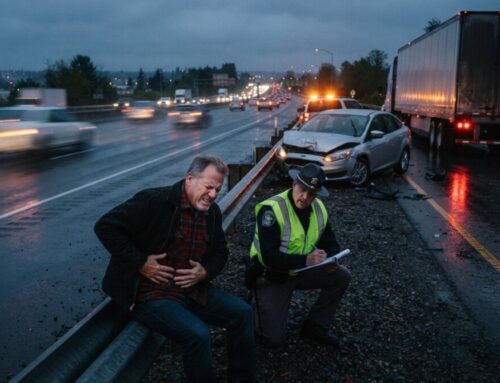
Can You Sue for Car Accident Injuries? Key Facts

After a car accident, many people wonder whether they can sue for their injuries. The short answer is yes, but the process involves several legal steps and strict deadlines. Understanding your rights and the factors that determine a successful lawsuit can help you make informed decisions. This article explains when you can sue, what damages you can recover, and how to protect your claim.
When Can You Sue for Car Accident Injuries?
You can sue for car accident injuries when another party’s negligence caused the crash. Negligence means the other driver failed to act with reasonable care, leading to your harm. Common examples include distracted driving, speeding, running red lights, or driving under the influence. However, you must prove four elements to win your case: duty of care, breach of duty, causation, and damages.
Duty of care is the legal obligation every driver has to operate their vehicle safely. A breach occurs when a driver violates traffic laws or acts recklessly. Causation links the breach directly to your injuries. Finally, damages refer to the losses you suffered, such as medical bills, lost wages, and pain and suffering. Without all four elements, your lawsuit may fail.
It is important to note that even if the other driver was clearly at fault, you still need evidence. Police reports, witness statements, photos of the scene, and medical records all strengthen your case. In our detailed guide on claiming injury after a car accident, we explain how to gather this evidence effectively.
What Damages Can You Recover?
If you win your lawsuit, you can recover both economic and non-economic damages. Economic damages are tangible financial losses, such as:
- Medical expenses (current and future)
- Lost wages and reduced earning capacity
- Property damage to your vehicle
- Rehabilitation and therapy costs
Non-economic damages cover intangible losses, including pain and suffering, emotional distress, loss of enjoyment of life, and loss of consortium. These damages are harder to calculate but can significantly increase your compensation. In some cases, if the defendant acted with gross negligence or intentional harm, punitive damages may also be awarded to punish the wrongdoer.
Each state has different rules on damage caps, especially for non-economic damages. For example, some states limit pain and suffering awards in car accident cases. Consulting with a local attorney is essential to understand what applies to your situation.
Statute of Limitations: The Deadline to Sue
Every state sets a statute of limitations for filing a personal injury lawsuit after a car accident. This deadline typically ranges from one to six years, but most states allow two to three years. If you miss this deadline, you lose your right to sue forever. The clock usually starts on the date of the accident, though some exceptions exist for minors or cases involving government vehicles.
Filing early is crucial because evidence can disappear, witnesses may forget details, and insurance companies may become less cooperative over time. Waiting too long also risks running out of time if you need to amend your complaint or negotiate a settlement. To avoid missing your deadline, contact a lawyer as soon as possible after the crash.
Do You Need a Lawyer to Sue?
While it is possible to sue without a lawyer, it is rarely advisable. Car accident lawsuits involve complex rules of evidence, procedural deadlines, and negotiation with insurance companies. An experienced attorney can evaluate your case, calculate the full value of your damages, and handle all legal filings. They also have resources to investigate the accident, consult with medical experts, and counter insurance tactics designed to minimize your payout.
Most personal injury lawyers work on a contingency fee basis, meaning you pay nothing upfront. They only get paid if you win a settlement or verdict. This arrangement makes legal representation accessible even if you are facing financial hardship after the accident. For a closer look at fee structures, read our article on car accident lawyer percentage fees to understand what you will pay.
What If You Were Partially at Fault?
Many accidents involve shared fault. For example, you may have been speeding when another driver ran a stop sign. In such cases, state laws determine whether you can still sue. There are two main rules: comparative negligence and contributory negligence.
Under comparative negligence, your compensation is reduced by your percentage of fault. If you are 20 percent at fault and your damages total $100,000, you can recover $80,000. Most states follow this rule. A few states use a modified version that bars recovery if you are 50 or 51 percent at fault. Only a handful of states still follow contributory negligence, which prevents you from recovering anything if you are even 1 percent at fault.
Even if you think you were partly to blame, do not assume you cannot sue. An attorney can analyze the facts and argue that the other driver bore the greater responsibility. Never admit fault at the scene or to an insurance adjuster without legal advice.
How Insurance Affects Your Right to Sue
Insurance plays a major role in car accident claims. Most states require drivers to carry liability insurance, which pays for damages they cause. Before filing a lawsuit, you typically must file a claim with the at-fault driver’s insurance company. If they offer a fair settlement, you may not need to go to court.
However, insurance companies often try to pay as little as possible. They may dispute liability, downplay your injuries, or pressure you to accept a quick lowball offer. If negotiations fail, suing the at-fault driver directly may be your only option to recover full compensation. Keep in mind that if the at-fault driver has insufficient insurance coverage or no assets, collecting a judgment can be difficult. In those situations, your own uninsured/underinsured motorist coverage may provide relief.
Steps to Take Before Filing a Lawsuit
If you decide to sue, follow these steps to strengthen your case:
- Seek medical attention immediately, even if you feel fine. Some injuries appear days later.
- Document the accident scene with photos, videos, and witness contact information.
- Report the accident to the police and obtain a copy of the official report.
- Notify your insurance company, but do not give a recorded statement without a lawyer.
- Keep all records of expenses, lost work time, and communication with insurers.
Each step builds a foundation for your claim. Medical records prove the severity of your injuries. Photos and witness statements establish fault. The police report provides an objective account. And tracking expenses ensures you do not overlook any damages. Once you have gathered this evidence, consult with a lawyer to evaluate your options.
Frequently Asked Questions
Can I sue for minor injuries after a car accident?
Yes, you can sue for minor injuries, but the cost of litigation may outweigh the potential recovery. Minor injuries like bruises or whiplash that heal quickly often result in small settlements. Many lawyers recommend settling with the insurance company rather than filing a lawsuit for minor claims.
What if the at-fault driver has no insurance?
If the driver lacks insurance, you may still sue them personally. However, collecting payment may be challenging if they have no assets. Your own uninsured motorist coverage can compensate you for medical bills and lost wages, but it does not cover pain and suffering in some states.
How long does a car accident lawsuit take?
Most car accident lawsuits take several months to a few years to resolve. Simple cases with clear fault may settle within six months. Complex cases involving severe injuries or disputed liability can take two years or longer to go to trial.
Can I sue after accepting an insurance settlement?
Generally, once you accept a settlement and sign a release, you cannot sue the at-fault driver. The settlement agreement waives your right to pursue further legal action. That is why you should never accept an offer without consulting an attorney first.
Why Choose a Lawyer for Your Car Accident Lawsuit?
Navigating a car accident lawsuit alone is risky. Insurance companies have teams of adjusters and lawyers working to minimize payouts. A skilled attorney levels the playing field. They understand the tactics insurers use and can counter them effectively. Moreover, lawyers have access to accident reconstruction experts, medical professionals, and economic analysts who can strengthen your claim.
At CarInjuryAccident, we connect you with seasoned attorneys who specialize in personal injury law. Our patented attorney selection process identifies top-rated legal professionals in your area. Whether you are dealing with mounting medical bills, lost income, or emotional trauma, having the right legal partner can make a significant difference in your recovery. For more information on your legal options, visit our comprehensive resource on suing after a car accident.
In summary, the answer to “can you sue for car accident injuries” is yes, provided you act within the statute of limitations and can prove negligence. The process requires careful evidence collection, understanding of state laws, and often professional legal guidance. By taking the right steps and seeking experienced representation, you can pursue the compensation you deserve to cover medical expenses, lost wages, and pain and suffering. Do not delay, as every day counts when building a strong case.