Hit and Run Consequences: What Happens if Driver Flees Accident

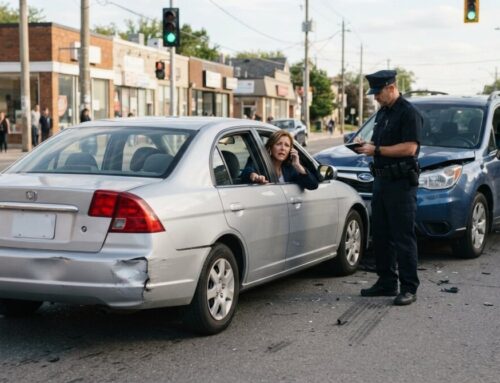
Imagine sitting at a red light when suddenly your car lurches forward from the impact of another vehicle. Before you can even register what happened, you see the other driver speed away without stopping. This scenario leaves many victims feeling confused, angry, and uncertain about their legal rights. Understanding what happens if a driver flees an accident is critical for protecting yourself, your vehicle, and your financial well-being. The legal and insurance consequences are severe for the fleeing driver, but victims also face unique challenges that require immediate action.
The Immediate Legal Consequences for the Fleeing Driver
When a driver leaves the scene of an accident, they commit a hit-and-run offense. This is not a minor traffic violation. In most states, hit-and-run is a criminal offense that carries serious penalties. The severity depends on whether the accident involved injury, death, or only property damage. For a property damage only hit-and-run, the driver may face misdemeanor charges, fines, and possible jail time. However, if someone was injured or killed, the charges escalate to a felony, with penalties including substantial prison sentences, heavy fines, and a permanent criminal record.
Law enforcement agencies take hit-and-run cases seriously. They will investigate by reviewing traffic cameras, speaking with witnesses, and collecting physical evidence from the scene. If the fleeing driver is caught, they may also face civil liability for damages. This means the victim can sue the driver for medical bills, lost wages, property damage, and pain and suffering. The fleeing driver’s insurance company may also deny coverage for the incident, leaving them personally responsible for all costs.
In our guide on how a car accident lawyer contingency fee works for you, we explain how legal representation can help victims recover compensation even when the at-fault driver flees. An attorney can navigate the complex legal process and identify all available sources of recovery.
What Victims Should Do Immediately After a Hit-and-Run
Your actions in the first few minutes after a driver flees the scene can significantly impact your ability to recover damages. Panic is natural, but staying calm and following a clear plan will protect your case. Here are the critical steps to take:
- Check for injuries and call 911: Your health comes first. Even if you feel fine, some injuries like whiplash or internal bleeding may not be immediately apparent. Request an ambulance if needed.
- Move to a safe location: If possible, pull your vehicle to the side of the road or a nearby parking lot. Turn on your hazard lights to alert other drivers.
- Gather information about the fleeing driver: Write down the license plate number if you saw it. Note the make, model, color, and any distinguishing features of the vehicle. Describe the driver’s appearance if you got a look at them.
- Look for witnesses: Ask anyone who saw the accident if they would be willing to provide a statement. Get their names and contact information.
- Preserve evidence: Take photos of the damage to your vehicle, the surrounding area, skid marks, and any debris from the other car. These details can help law enforcement identify the fleeing driver.
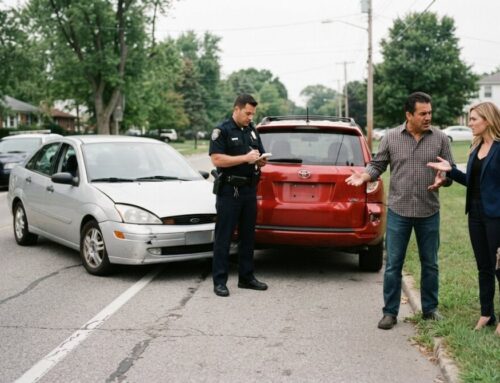
Once the police arrive, provide them with all the information you have gathered. File a formal police report and request a copy for your insurance claim. Do not attempt to chase the fleeing driver yourself. Pursuing another vehicle is dangerous and could lead to additional accidents or legal trouble for you.
Insurance Coverage Options for Hit-and-Run Victims
One of the most common questions victims ask is whether their own insurance will cover damages when the at-fault driver cannot be identified. The answer depends on the type of coverage you have. Uninsured motorist (UM) coverage is the primary protection for hit-and-run victims. This type of coverage is designed to pay for medical expenses, lost wages, and other damages when the at-fault driver has no insurance or cannot be identified. However, not all states require UM coverage, and some policies have specific requirements for hit-and-run claims.
Many insurance policies require that the hit-and-run accident be reported to law enforcement within a certain timeframe, often 24 to 72 hours. Failure to do so can result in a denied claim. Additionally, some policies require physical contact between the vehicles. If the fleeing driver swerved and caused you to crash without actually hitting your car, your UM coverage may not apply. Collision coverage can help pay for vehicle repairs regardless of fault, but you will typically have to pay your deductible first.
If the fleeing driver is later identified, your insurance company may attempt to recover the money they paid out through a process called subrogation. This can result in you receiving a refund of your deductible. To fully understand your policy and ensure you are taking the right steps, it is wise to consult with an attorney who specializes in accident cases. They can help you navigate the claims process and maximize your recovery.
Legal Options for Pursuing Compensation
Even if the fleeing driver is never found, you may still have legal options. In some cases, other parties may share liability for the accident. For example, if the accident was caused by a hazardous road condition, a pothole, or a malfunctioning traffic light, the government entity responsible for maintaining the road could be held partially liable. Similarly, if the fleeing driver was operating a commercial vehicle for work, the employer may be vicariously liable for the driver’s actions.
If the fleeing driver is identified, you can pursue a personal injury lawsuit against them. This lawsuit can seek compensation for medical bills, property damage, lost income, pain and suffering, and punitive damages in egregious cases. Punitive damages are intended to punish the driver for particularly reckless behavior, such as fleeing the scene while intoxicated. However, collecting a judgment against an uninsured or underinsured driver can be difficult. The driver may have few assets or may file for bankruptcy to avoid paying.
An experienced attorney can evaluate your case and identify all potential sources of compensation. In our article on how an accident lawyer contingency basis works for you, we discuss how legal representation is accessible without upfront costs. This allows victims to pursue justice regardless of their financial situation.
Criminal Penalties for Fleeing the Scene
Understanding the criminal consequences for a driver who flees an accident is important for victims who want to see justice served. The penalties vary by state, but they generally follow a pattern. For a hit-and-run involving only property damage, the driver may face a misdemeanor charge punishable by up to one year in jail, fines ranging from $500 to $5,000, and a suspended driver’s license. The driver may also be required to pay restitution to the victim for the cost of repairs.
When the accident results in injury or death, the penalties become much more severe. Felony hit-and-run charges can carry prison sentences of two to fifteen years or more, depending on the circumstances and the state. Fines can reach $20,000 or higher. The driver’s license may be revoked permanently, and they may be required to install an ignition interlock device if alcohol was involved. Additionally, a felony conviction can impact the driver’s ability to find employment, secure housing, or obtain professional licenses.
Prosecutors often pursue hit-and-run cases aggressively because the act of fleeing demonstrates a disregard for the safety and well-being of others. If the fleeing driver is caught, the victim can cooperate with the prosecution by providing evidence and testimony. This can help ensure that the driver faces the full consequences of their actions.
How an Attorney Can Help After a Hit-and-Run
Navigating the aftermath of a hit-and-run accident is complex. Victims must deal with insurance companies, law enforcement, and possibly the court system. An attorney who handles car accident cases can provide invaluable assistance. They can investigate the accident to identify the fleeing driver, gather evidence, and work with accident reconstruction experts if needed. They can also handle all communication with the insurance company, which can be particularly helpful when the insurer tries to minimize your claim or deny coverage.
An attorney can also help you understand the statute of limitations for your case. This is the deadline by which you must file a lawsuit. The time limit varies by state and depends on whether the case involves personal injury or property damage. Missing this deadline can permanently bar you from recovering compensation. Additionally, an attorney can evaluate whether you have a claim against other parties, such as the manufacturer of a defective vehicle part that contributed to the accident.
If you are struggling to find legal representation, you can read our guide on how to find an accident lawyer consultation near me. This resource can help you connect with a qualified attorney who will fight for your rights.
Frequently Asked Questions
Can I still get compensation if the driver who hit me fled and was never caught?
Yes, if you have uninsured motorist coverage on your own policy. This coverage is specifically designed for hit-and-run accidents. You should file a claim with your insurance company as soon as possible and provide them with the police report and any evidence you collected.
How long do I have to report a hit-and-run to my insurance company?
Most insurance policies require you to report the accident within 24 to 72 hours. Check your policy documents for the specific timeframe. Delaying the report could result in a denied claim.
What if the fleeing driver was driving a stolen car?
If the driver was operating a stolen vehicle, the vehicle owner’s insurance may not cover the accident. You would need to rely on your own uninsured motorist coverage. In some cases, you may also be able to pursue a claim against the person who stole the car if they are identified and have assets.
Do I need a lawyer for a hit-and-run accident?
While you are not legally required to hire a lawyer, having legal representation can significantly improve your chances of recovering full compensation. An attorney can handle the complex insurance claims process, negotiate with the insurance company, and take legal action if necessary.
Can I get my deductible back if the fleeing driver is caught?
Yes, if your insurance company pays for your damages through collision coverage and then successfully recovers the money from the at-fault driver through subrogation, you may receive a refund of your deductible.
Being the victim of a hit-and-run is a stressful experience, but you do not have to face it alone. Taking immediate action, preserving evidence, and seeking professional legal guidance can make the difference between a frustrating ordeal and a successful recovery. Remember that the law is on your side, and there are resources available to help you rebuild and move forward.