Pedestrian Accident Guide: What Happens Next
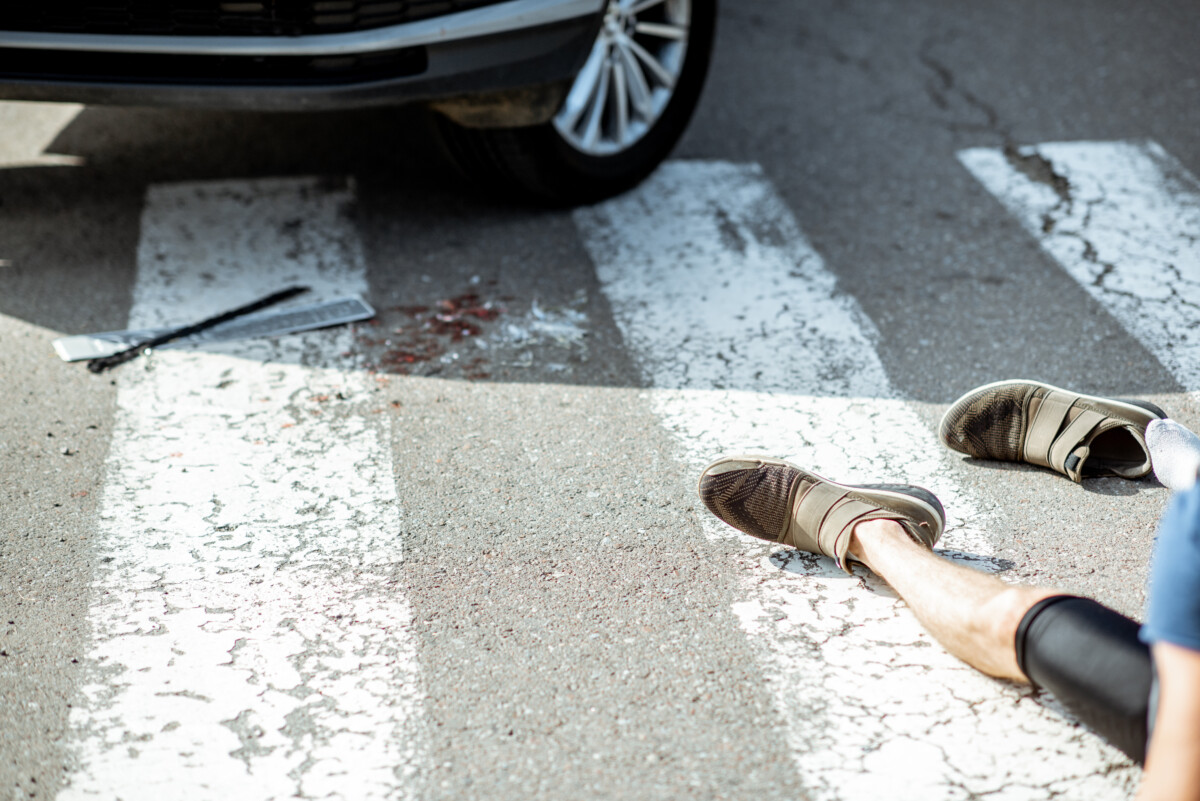
Being struck by a vehicle as a pedestrian is a terrifying and often life-altering event. In the seconds after impact, confusion and pain take over, but the moments that follow are critical for your health, your legal rights, and your financial future. Understanding what happens if an accident involves a pedestrian can help you take the right steps immediately, avoid common mistakes, and build a strong case for compensation. This guide walks you through the immediate aftermath, the legal process, insurance dynamics, and how to protect yourself at every stage.
Immediate Steps at the Scene
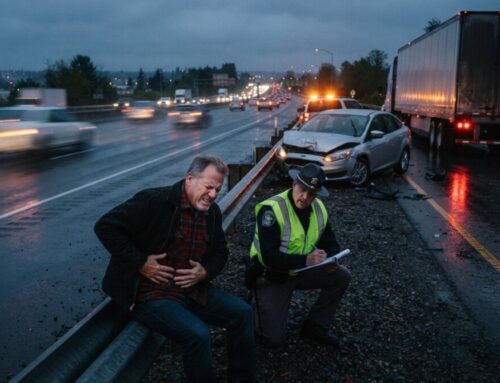
The first priority after a pedestrian accident is safety and medical care. If you are able to move, try to get to a safe location away from traffic, but do not stand up or walk if you feel any pain, dizziness, or numbness. Your body may be in shock, and adrenaline can mask serious injuries like internal bleeding, fractures, or head trauma. Call 911 or ask a bystander to call for emergency services and police.
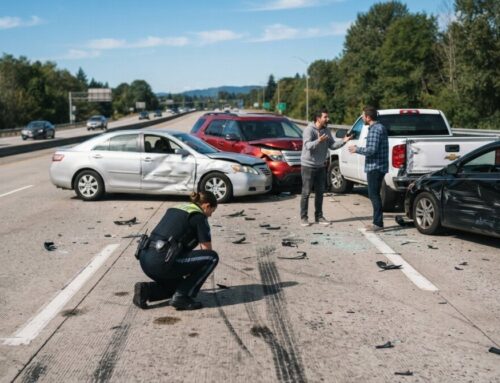
While waiting for help, do not discuss fault or apologize. Even a simple statement like “I didn’t see the car” can be used against you later by insurance adjusters or defense attorneys. Instead, focus on exchanging basic information with the driver: their name, phone number, insurance company, policy number, and license plate. Also collect contact details from any witnesses who saw the accident. If possible, take photos of the scene, your injuries, the vehicle, and the surrounding environment (including traffic signals, crosswalks, and lighting conditions).
It is also important to refuse any on-the-spot settlement offers from the driver. Drivers may offer cash to “make this go away,” but accepting it could waive your right to seek fair compensation for medical bills that surface days or weeks later. The full extent of pedestrian injuries often takes time to appear.
Medical Evaluation and Documentation
Even if you feel fine, go to an emergency room or urgent care center immediately. Some serious injuries, such as traumatic brain injuries, spinal cord damage, or internal organ injuries, may not show symptoms for hours or even days. A thorough medical evaluation creates an official record linking your injuries to the accident, which is essential for any insurance claim or lawsuit.
Follow all treatment recommendations from your doctors, including follow-up appointments, physical therapy, and diagnostic imaging. Keep a detailed journal of your symptoms, pain levels, emotional struggles, and how the injuries affect your daily life. This documentation helps quantify non-economic damages like pain and suffering. Do not skip or delay medical care, as insurance companies often argue that gaps in treatment mean your injuries are not serious.
Fault and Liability in Pedestrian Accidents
Determining who is legally at fault is a central question in what happens if an accident involves a pedestrian. Liability typically falls on the driver, because drivers have a legal duty to exercise reasonable care and yield to pedestrians in crosswalks, at intersections, and in parking lots. However, pedestrians can also be found partially at fault if they jaywalk, cross against a signal, dart into traffic, or walk in dark clothing at night without reflective gear.
Most states follow a rule called comparative negligence. Under this rule, your compensation is reduced by your percentage of fault. For example, if a jury finds you 20% at fault for crossing outside a crosswalk and your total damages are $100,000, you would receive $80,000. A few states follow contributory negligence, where any fault at all (even 1%) bars you from recovering any money. Understanding your state’s law is crucial, so consult with a local attorney early in the process.
In our guide on what happens if an accident involves injury, we explain how fault is assessed in injury cases and how attorneys build evidence to prove liability.
Insurance Claims and Coverage Options
Pedestrian accident claims typically involve the driver’s auto insurance policy. The driver’s bodily injury liability coverage pays for your medical expenses, lost wages, and pain and suffering, up to the policy limits. If the driver is uninsured or underinsured, you may need to rely on your own auto insurance policy if you have uninsured motorist coverage (UM/UIM). Surprisingly, this coverage often applies even if you were not in a car at the time of the accident.
If you do not own a car, you may still be covered under a family member’s policy if you live with them. Some states also require auto insurers to offer pedestrian coverage as a separate add-on. Additionally, your health insurance may cover some medical costs, but it is important to coordinate with a personal injury attorney before making any statements to your health insurer, as they may try to assert a subrogation lien against your settlement.
Types of Compensation Available
Pedestrians who are hit by a vehicle can pursue several categories of damages. These include:
- Medical expenses: All past and future costs for hospital stays, surgeries, medications, rehabilitation, and assistive devices.
- Lost income: Wages lost during recovery, as well as diminished earning capacity if the injury prevents you from returning to your previous job.
- Pain and suffering: Compensation for physical pain, emotional distress, anxiety, depression, and loss of enjoyment of life.
- Property damage: Replacement of damaged personal items such as clothing, electronics, or a bicycle.
- Punitive damages: In cases of extreme driver negligence (e.g., drunk driving, texting), the court may award additional damages to punish the driver.
Each case is unique, and the total value depends on the severity of injuries, the clarity of liability, and the insurance policy limits available. An experienced attorney can help calculate a fair settlement range and negotiate aggressively on your behalf.
Legal Process and Deadlines
After stabilizing your health, the next step is often sending a demand letter to the at-fault driver’s insurance company. This letter outlines your injuries, medical bills, lost wages, and a requested settlement amount. Insurance adjusters may respond with a lowball offer, hoping you will accept quickly due to financial pressure. Do not accept any offer without first consulting a lawyer.
If a fair settlement cannot be reached, your attorney may file a lawsuit. The lawsuit initiates a discovery phase where both sides exchange evidence, take depositions, and possibly hire expert witnesses. Most pedestrian accident cases settle before trial, but if a trial becomes necessary, a jury will determine fault and damages. The entire process from accident to resolution can take anywhere from a few months to two years, depending on the complexity of the case and court schedules.
Every state imposes a statute of limitations on personal injury claims. This is a strict deadline (usually 1 to 3 years from the accident date) within which you must file a lawsuit. Missing this deadline means you lose your right to sue forever. If the driver was a commercial vehicle operator, such as a truck driver, the rules can be even more complex. For a deeper look at that scenario, see our article on what happens if an accident involves a truck.
How an Attorney Can Help
Navigating a pedestrian accident claim while recovering from serious injuries is overwhelming. Insurance companies have teams of adjusters and lawyers working to minimize payouts. A personal injury attorney levels the playing field by handling all communication, gathering evidence, calculating full damages, and negotiating for maximum compensation. Most personal injury lawyers work on a contingency fee basis, meaning they only get paid if you win your case. This arrangement makes legal representation accessible even if you have no money upfront.
Attorneys also know how to deal with common insurance tactics, such as asking you to sign a medical release for all records (which may reveal pre-existing conditions that insurers use to reduce your claim) or pressuring you to give a recorded statement. Your lawyer can advise you on when and how to respond. If the accident involves a motorcycle instead of a car, the dynamics of fault and injury patterns differ significantly. You can learn more in our guide on what happens if an accident involves a motorcycle.
Frequently Asked Questions
What should I do if the driver flees the scene?
If you are the victim of a hit-and-run, try to remember as many details about the vehicle as possible (make, model, color, license plate, direction of travel). Report the accident to the police immediately. If you have uninsured motorist coverage or hit-and-run coverage on your own auto policy, it may cover your injuries. A lawyer can help you identify all possible sources of compensation.
Can I sue the driver even if I was jaywalking?
Yes, in most states. Jaywalking does not automatically bar you from recovering damages. Under comparative negligence, your recovery is reduced by your percentage of fault. However, if you were grossly negligent (e.g., running across a highway at night), your fault percentage may be high, and recovery may be limited or zero in contributory negligence states.
How long do I have to file a claim?
The statute of limitations varies by state, typically between one and three years for personal injury. For claims against a government entity (e.g., if a city bus hit you), the deadline is often much shorter, sometimes as little as 30 to 90 days. Check with an attorney immediately to avoid missing any deadlines.
Will my case go to trial?
Most pedestrian accident cases settle out of court, but some do go to trial if the insurance company refuses to offer a fair settlement. Your attorney will prepare your case as if it is going to trial, which often pressures insurers to negotiate in good faith. If a trial is necessary, your lawyer will represent you before a judge and jury.
How much is my pedestrian accident claim worth?
There is no fixed formula, but common factors include the severity of your injuries, the clarity of liability, the insurance policy limits, and whether you have any pre-existing conditions. Soft tissue injuries might settle for thousands of dollars, while catastrophic injuries like traumatic brain injury or spinal cord damage can result in settlements or verdicts worth millions. An attorney can give you a realistic estimate after reviewing your medical records and the accident details.
Protecting Your Rights After a Pedestrian Accident
The chaos of being hit by a vehicle can leave you feeling powerless, but you have rights that are designed to protect you. The most important thing you can do is take care of your health first, then seek legal advice before speaking to any insurance company. Do not sign any documents, accept any checks, or give recorded statements without a lawyer present. Remember that insurance adjusters are not on your side; their goal is to protect their company’s bottom line.
Pedestrian accidents often result in severe, life-changing injuries because the human body has no protection against a multi-ton vehicle. But with the right medical care, strong documentation, and skilled legal representation, you can recover the compensation needed to pay for treatment, replace lost income, and rebuild your life. If you have been hit, act quickly, stay informed, and do not hesitate to call a qualified personal injury attorney who can guide you through every step of the process.