What Happens If an Accident Involves a Motorcycle
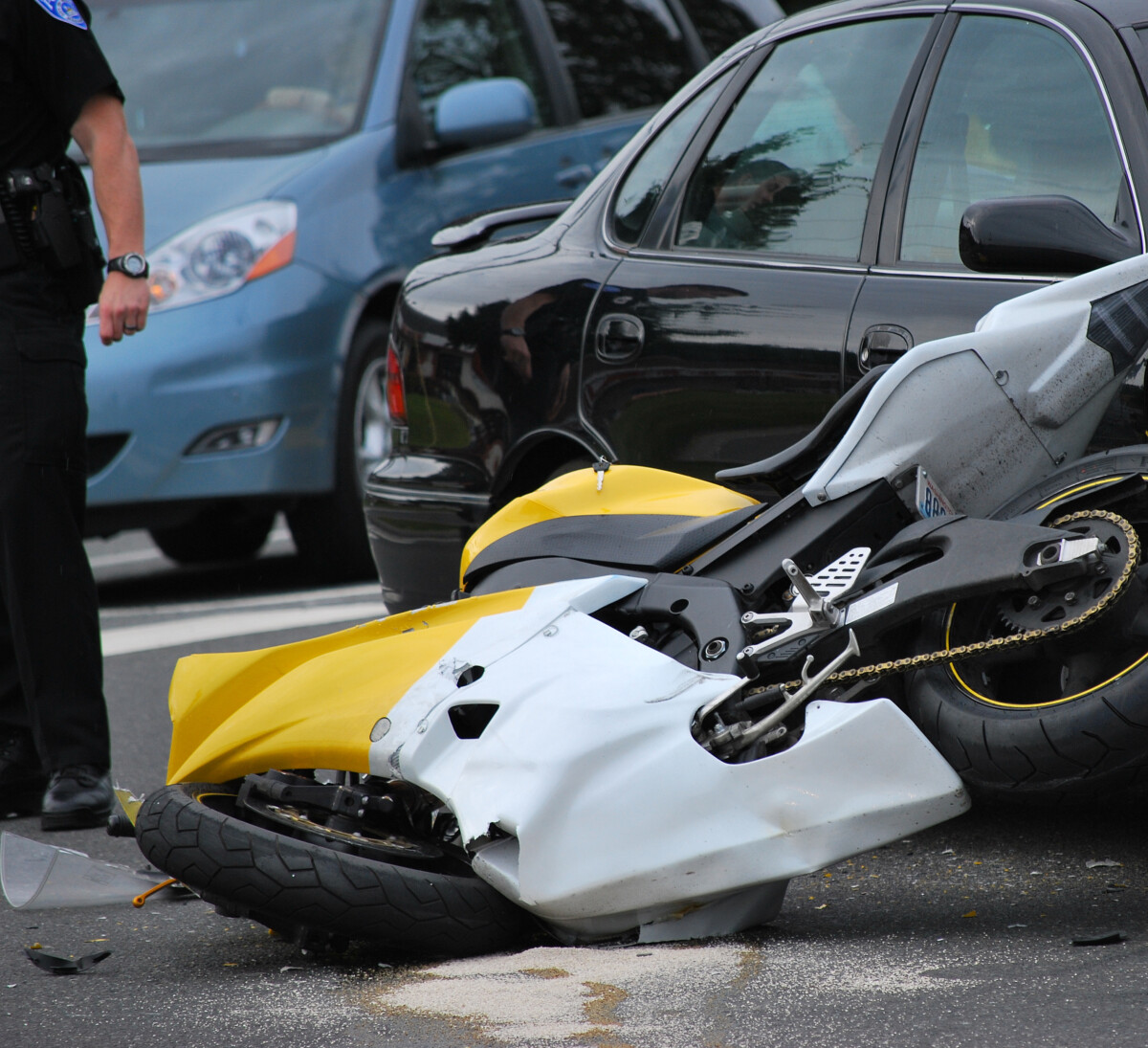
When a crash involves a motorcycle, the consequences are often far more severe than a typical car collision. Riders lack the protective shell of a vehicle, making them vulnerable to catastrophic injuries, lengthy hospital stays, and complex insurance disputes. If you or a loved one has been in such an incident, understanding the immediate aftermath, legal obligations, and long-term recovery process is critical. This article walks through exactly what happens if an accident involves a motorcycle, from the scene to settlement negotiations, so you can protect your rights and pursue fair compensation.
Immediate Steps at the Scene
The moments right after a motorcycle crash are chaotic and painful. Your first priority must be safety and medical attention. If you are able, move to a safe location away from traffic, but do not leave the scene entirely. Call 911 immediately, even if you think your injuries are minor. Adrenaline can mask serious trauma, and a police report creates an official record that is vital for insurance claims and potential lawsuits.
While waiting for emergency responders, do not discuss fault or apologize. Anything you say can be used against you later by insurance adjusters. Instead, gather information: the other driver’s name, contact details, insurance policy number, license plate, and vehicle description. If there are witnesses, ask for their contact information as well. Take photos of the scene, your motorcycle, the other vehicle, road conditions, and your visible injuries. These documents become essential evidence when determining what happens if an accident involves a motorcycle and who bears legal responsibility.
Once medical help arrives, accept evaluation and transport to a hospital even if you feel you can walk away. Some injuries, such as internal bleeding or traumatic brain injury, do not show symptoms immediately. A thorough medical examination creates a baseline record that connects your injuries directly to the crash, which strengthens your claim later.
Common Injuries in Motorcycle Accidents
Motorcycle crashes frequently result in injuries that are more severe than those in passenger vehicle accidents. Because the rider is exposed, the body absorbs the full force of impact. Common injuries include road rash, which is a painful abrasion that can lead to infection or permanent scarring. Fractures are also frequent, especially to the legs, arms, and collarbone. Head injuries range from concussions to traumatic brain injuries, which can cause lifelong cognitive impairment if the rider was not wearing a helmet.
Spinal cord injuries are another devastating possibility. Damage to the vertebrae or spinal nerves can lead to partial or complete paralysis. Internal organ damage, such as a ruptured spleen or punctured lung, may require emergency surgery and extended hospitalization. These injuries often result in high medical bills, lost wages, and reduced quality of life. Understanding the full scope of potential harm helps illustrate why legal representation is so important. In our guide on what happens if an accident involves injury, we explain how documenting these conditions is key to recovering damages.
Determining Fault and Legal Liability
Assigning fault in a motorcycle accident is not always straightforward. Many drivers claim they did not see the motorcyclist, or they argue that the rider was speeding or weaving through traffic. Police officers, insurance adjusters, and attorneys examine several factors to determine liability: traffic laws, witness statements, skid marks, vehicle damage patterns, and any available dashcam or surveillance footage.
In some states, comparative negligence rules apply. This means that if you are found partially at fault, your compensation is reduced by your percentage of fault. For example, if you are deemed 20 percent responsible for the crash, your total damages are reduced by 20 percent. In states with pure comparative negligence, you can still recover even if you are 99 percent at fault, but the amount is greatly reduced. In contributory negligence states, any fault at all can bar recovery entirely. Knowing your state’s laws is essential when evaluating what happens if an accident involves a motorcycle and your role in the incident.
Commercial vehicles, government vehicles, or rideshare drivers add another layer of complexity. If the other driver was working at the time of the crash, their employer or the rideshare company may share liability. These cases often involve higher insurance limits but also more aggressive defense teams. For a deeper look at similar scenarios, see our article on what happens if an accident involves a truck, where multiple parties are often involved.
Insurance Claims and Coverage Challenges
Filing an insurance claim after a motorcycle accident presents unique hurdles. Insurance companies often view motorcyclists as high-risk and may look for reasons to deny or minimize claims. The at-fault driver’s liability insurance should cover your medical expenses, lost wages, and property damage, but adjusters frequently dispute the severity of injuries or argue that pre-existing conditions are to blame.
To navigate these challenges, you should:
- Report the accident to your own insurance company promptly, but do not give a recorded statement without legal advice.
- Keep copies of all medical records, bills, and repair estimates.
- Document every conversation with insurance adjusters, including dates, names, and summaries of what was discussed.
- Do not accept a first settlement offer, as it is often far lower than what your claim is worth.
- Consult a personal injury attorney before signing any release or waiver.
Your own insurance policy may include uninsured or underinsured motorist coverage, which is critical if the at-fault driver has no insurance or insufficient limits. Medical payments coverage can also pay for immediate treatment regardless of fault. Reviewing your policy with an attorney ensures you understand all available benefits. The process of what happens if an accident involves a motorcycle often hinges on the fine print of insurance contracts, which is why professional guidance is recommended.
Calculating Damages and Compensation
Damages in a motorcycle accident case fall into two main categories: economic and non-economic. Economic damages include medical expenses, future medical care, lost income, reduced earning capacity, and property damage. Non-economic damages cover pain and suffering, emotional distress, loss of enjoyment of life, and loss of consortium for spouses. In cases involving egregious negligence, punitive damages may also be awarded to punish the wrongdoer and deter similar conduct.
Calculating a fair settlement requires a thorough assessment of both current and future losses. For example, a rider who suffers a spinal cord injury may need ongoing physical therapy, home modifications, and lifelong care. An experienced attorney works with medical experts, economists, and life-care planners to project these costs accurately. Without this detailed analysis, you risk accepting a settlement that leaves you under-compensated for the long term.
Statutes of limitations also affect your ability to recover. Most states allow two to four years from the date of the accident to file a lawsuit. Missing this deadline can permanently bar you from seeking compensation. Therefore, acting quickly after a crash is not just about healing, it is about preserving your legal rights.
Frequently Asked Questions
Do I need a lawyer after a motorcycle accident?
While not legally required, having a lawyer significantly improves your chances of a fair outcome. Attorneys understand insurance tactics, know how to value claims, and can negotiate aggressively on your behalf. They also handle paperwork and deadlines, reducing stress during your recovery.
What if I was not wearing a helmet?
Helmet laws vary by state. In states where helmets are required, riding without one can reduce your compensation if your injuries involve head trauma. In states without mandatory helmet laws, it may still be used against you to argue comparative negligence. An attorney can advise on how this affects your case.
How long does a motorcycle accident claim take?
The timeline depends on the complexity of the case, the severity of injuries, and whether a lawsuit is filed. Simple claims with clear liability and minor injuries may settle in a few months. Cases involving serious injury or disputed fault can take a year or more, especially if they go to trial.
Can I still recover if the other driver fled the scene?
Yes, but it is more difficult. If you have uninsured motorist coverage, your own policy may cover your damages. Reporting the hit-and-run to police immediately and gathering any available evidence, such as witness accounts or surveillance video, is essential. An attorney can help you pursue all available options.
Steps to Take After the Accident
Recovering from a motorcycle accident involves more than just physical healing. You need to protect your legal and financial future. Start by seeking immediate medical care and following all treatment recommendations. Keep a journal documenting your pain levels, limitations, and emotional struggles, as this supports non-economic damage claims. Notify your insurance company but avoid detailed statements until you have legal counsel.
Next, preserve all evidence. Do not repair your motorcycle or dispose of damaged gear until your attorney has inspected them. Save receipts for all out-of-pocket expenses related to the accident, including medications, transportation to appointments, and medical devices. Finally, consult with a personal injury attorney who specializes in motorcycle accidents. They can evaluate your case, explain your options, and handle negotiations so you can focus on recovery.
Understanding what happens if an accident involves a motorcycle empowers you to make informed decisions. The road to recovery is challenging, but with the right medical care, legal support, and persistence, you can secure the compensation you need to move forward. Contact our team at 855-545-2917 for a free consultation and case evaluation.