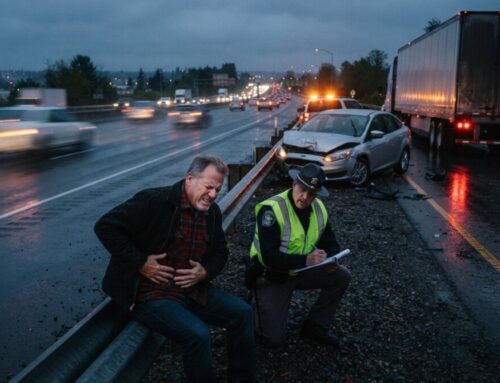
What Is Personal Injury Protection in an Accident

After a car accident, the first question many victims ask is how their medical bills will be paid. You might assume the at-fault driver’s insurance covers everything, but that is not always the case. This is where personal injury protection, often called PIP, comes into play. Understanding what is personal injury protection accident coverage and how it works can mean the difference between financial stability and overwhelming debt after a crash.
Personal injury protection is a type of no-fault auto insurance that pays for medical expenses, lost wages, and other accident-related costs regardless of who caused the crash. Unlike traditional liability insurance, which only pays out when you are found at fault, PIP kicks in immediately after an accident. This coverage is designed to provide swift financial relief so you can focus on recovery rather than fighting over fault.
In this article, we will break down exactly what personal injury protection covers, how it differs from other insurance types, and why it matters for accident victims. We will also explain how to file a claim and what to do if your benefits are denied. If you have been injured in a crash, knowing these details is essential for protecting your rights and your wallet.
How Personal Injury Protection Works After a Crash
Personal injury protection is a form of no-fault insurance. That means your own insurance company pays for your covered losses up to your policy limit, no matter who caused the accident. This system exists in many states to reduce litigation and speed up compensation for accident victims. Instead of waiting months for a fault determination, you can submit medical bills and lost wage claims directly to your insurer.
For example, imagine you are rear-ended at a stoplight. Even if the other driver is clearly at fault, their insurance may take weeks to investigate and accept liability. Meanwhile, your medical bills are piling up. With PIP, you can submit those bills to your own carrier and receive payment quickly. This is especially helpful if the at-fault driver has minimal coverage or no insurance at all.
PIP coverage typically applies to the policyholder, their family members living in the same household, and passengers in the insured vehicle. Some policies also cover pedestrians struck by the insured vehicle. The exact scope of coverage depends on your state’s laws and the terms of your policy. In our guide on finding the right personal injury lawyer after a car accident, we explain how an attorney can help you navigate these coverage nuances.
What Does PIP Actually Cover?
Personal injury protection is broader than standard medical payments coverage. While MedPay only pays for medical bills, PIP extends to several categories of loss. Common PIP benefits include:
- Medical expenses: hospital visits, surgery, diagnostic tests, prescription drugs, and rehabilitation therapy.
- Lost income: a percentage of your wages if you cannot work due to accident injuries, typically 60 to 80 percent of your average weekly earnings.
- Replacement services: costs for hiring someone to perform household tasks you cannot do, such as lawn care, house cleaning, or childcare.
- Funeral expenses: in the tragic event of a fatal accident, PIP may cover funeral and burial costs up to the policy limit.
- Survivor’s loss: some policies provide benefits to dependents if the policyholder dies in an accident.
Not all policies include every category. Some states mandate minimum PIP limits, while others allow you to purchase higher limits or add optional coverages like extra lost wage protection. It is critical to read your policy declarations page to understand exactly what your plan covers.
PIP vs. Liability Insurance: Key Differences
Many drivers confuse personal injury protection with liability insurance, but they serve opposite purposes. Liability insurance covers injuries and damages you cause to other people. If you run a red light and hit another car, your liability coverage pays for the other driver’s medical bills and vehicle repairs. It does not pay for your own injuries.
PIP, on the other hand, covers you and your passengers regardless of fault. This distinction is crucial. In a multi-vehicle accident where fault is disputed, PIP ensures you receive prompt payment for your own medical expenses while the liability claim is being sorted out. Without PIP, you might have to rely on your health insurance or pay out of pocket until the at-fault party’s insurer accepts responsibility.
Another difference is that liability insurance typically has higher limits because it must cover potentially catastrophic injuries to others. PIP limits are often lower, ranging from $2,500 to $25,000 depending on the state and policy. However, even a modest PIP limit can prevent financial disaster by covering emergency room visits and initial treatment. As explained in our article on why hire a personal injury lawyer after a car accident, an attorney can help you maximize both PIP and liability claims to ensure full compensation.
States That Require Personal Injury Protection
PIP is not mandatory in every state. It is required in no-fault insurance states, where drivers must carry PIP as a condition of registration. The following states currently have mandatory PIP laws:
- Florida
- Michigan
- New York
- New Jersey
- Pennsylvania
- Hawaii
- Kentucky
- Massachusetts
- Minnesota
- North Dakota
- Oregon
- Texas (optional but commonly purchased)
- Utah
In these states, PIP is the primary source of compensation for accident injuries, and you generally cannot sue the at-fault driver unless your injuries meet a certain threshold of severity. In other states, PIP is optional or not available. If you live in a state where PIP is not required, consider purchasing it anyway. The additional premium is often minimal compared to the financial protection it provides.
How to File a Personal Injury Protection Claim
Filing a PIP claim is typically simpler than filing a liability claim. The process usually involves these steps:
- Report the accident to your insurance company as soon as possible. Most insurers have a deadline for reporting, often 30 days.
- Provide a copy of the police report, if one was filed. This helps establish that the accident occurred.
- Submit medical bills and documentation from your healthcare provider. This includes itemized bills, treatment plans, and physician notes.
- If you are claiming lost wages, provide pay stubs or a letter from your employer verifying your income and time missed.
- Keep copies of everything you submit. Maintain a file with dates, names of insurance representatives, and claim numbers.
Once your claim is submitted, the insurer must approve or deny it within a specific timeframe, which varies by state. If approved, you will receive payment directly or the insurer will pay your medical providers. If denied, you have the right to appeal. Many denials stem from missing paperwork or disputes over whether the treatment was accident-related. A personal injury attorney can help you gather the necessary evidence and challenge a wrongful denial.
Common Mistakes That Jeopardize PIP Benefits
Even with good coverage, accident victims sometimes lose their PIP benefits due to simple errors. Here are the most common pitfalls:
Delaying medical treatment. If you wait days or weeks after an accident to see a doctor, the insurer may argue that your injuries were not caused by the crash. Always seek medical attention immediately, even if you feel fine. Some injuries, like whiplash or internal bleeding, do not show symptoms right away.
Failing to follow the PIP application process. Each insurer has specific forms and deadlines. Missing a deadline by even one day can result in a denial. Read your policy carefully and comply with all requirements.
Not keeping records. Without detailed records of your medical visits, prescriptions, and missed work, it is difficult to prove your losses. Keep a journal documenting your pain levels, limitations, and recovery progress.
Giving a recorded statement without legal advice. Insurance adjusters may ask for a recorded statement about the accident. While this may seem routine, your words can be used to minimize your claim. Consult an attorney before agreeing to a recorded interview.
Accepting a quick settlement. Insurers sometimes offer a lump sum to close your PIP claim early. This may not account for future medical costs or ongoing lost wages. Never sign a release without understanding the long-term implications.
What Happens When PIP Benefits Run Out?
PIP limits are finite. Once you exhaust your policy limit, you are responsible for any remaining medical bills and lost income. At that point, you may need to turn to other sources:
- Health insurance: your health plan may cover accident-related treatment, though deductibles and copays apply.
- MedPay: if you purchased medical payments coverage as an add-on, it can pay for additional medical expenses.
- Liability claim: if another driver was at fault, you can file a claim against their insurance for damages beyond your PIP limit.
- Underinsured motorist coverage: if the at-fault driver has insufficient insurance, your UIM policy can help fill the gap.
Navigating multiple insurance claims can be confusing, especially while recovering from injuries. An experienced attorney can coordinate these claims to ensure you receive maximum compensation. For those in Florida or nearby areas, our resource on how to find a trusted personal injury attorney Orlando provides guidance on securing legal help.
Frequently Asked Questions
Is personal injury protection the same as medical payments coverage?
No. Medical payments coverage (MedPay) only pays for medical bills. PIP is broader and can cover lost wages, replacement services, and funeral expenses. However, in some states, PIP and MedPay are used interchangeably, so check your policy for specifics.
Does PIP cover passengers in my car?
Yes, in most cases. PIP typically covers the policyholder, family members living in the household, and passengers in the insured vehicle at the time of the accident. Passengers may also have their own PIP coverage through their own policy, which may be primary depending on state law.
Can I sue the at-fault driver if I have PIP?
It depends on your state’s laws. In no-fault states, you generally cannot sue for minor injuries. You must meet a serious injury threshold, such as permanent impairment, significant disfigurement, or death. In tort states where PIP is optional, you retain the right to sue regardless.
How long do I have to file a PIP claim?
Deadlines vary by state and insurer. Some require claim submission within 14 days of treatment. Others allow up to 30 days after the accident. Check your policy or state insurance department for exact timelines. Missing the deadline can forfeit your benefits.
Will my PIP premium increase if I file a claim?
Not always. Some states prohibit insurers from raising rates solely because of a PIP claim, especially if you were not at fault. However, in other states, any claim can lead to a premium increase. Ask your insurer about their specific policy on rate adjustments.
Take Control of Your Accident Recovery
Understanding what is personal injury protection accident coverage is the first step toward financial security after a crash. PIP provides a safety net that pays for medical care, lost income, and essential services while you heal. Yet many accident victims leave money on the table because they do not know their policy details or how to file correctly. Do not let that happen to you. Review your auto insurance policy today, confirm your PIP limits, and know the filing deadlines in your state.
If you have already been in an accident and are struggling with medical bills or a denied claim, you do not have to face the insurance system alone. A qualified personal injury attorney can protect your rights, negotiate with insurers, and pursue every dollar you are owed. Contact a legal professional near you to discuss your case and explore your options for full recovery.