Distracted Driving Accident Claim: How to Win Fair Compensation
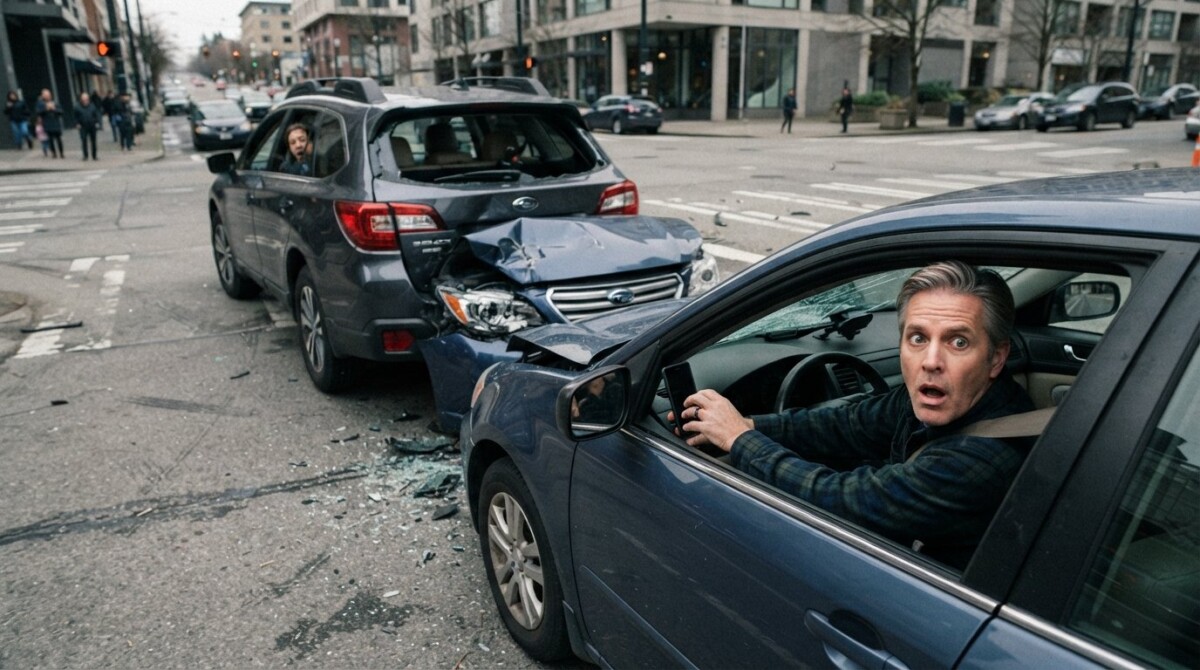
You glance down to check a text for just two seconds. When you look up, the car ahead has stopped, and you slam into its rear bumper. This scenario plays out thousands of times daily across America, and it often leaves victims wondering how to prove fault and recover damages. If you were hit by a driver who was texting, scrolling, or otherwise distracted, your path to compensation requires a specific legal strategy that differs from a typical car accident case.
A distracted driving accident claim hinges on proving that the other driver violated a duty of care by engaging in a distracting activity. Unlike a simple rear-end collision, these cases often involve phone records, cell tower data, and eyewitness testimony about the driver’s behavior. The stakes are high because distracted driving accidents tend to cause severe injuries, including spinal damage, traumatic brain injuries, and fractures, simply because the at-fault driver does not brake or swerve in time.
Understanding how to build a strong claim, what evidence matters most, and how to negotiate with insurance companies can mean the difference between a modest settlement and a payout that truly covers your medical bills, lost wages, and pain and suffering. This guide walks you through the entire process, from the moment of the crash to the final resolution, so you can approach your case with confidence.
Why Distracted Driving Claims Are Unique
Distracted driving is not just about texting. The National Highway Traffic Safety Administration defines three main types of distraction: manual (taking your hands off the wheel), visual (taking your eyes off the road), and cognitive (taking your mind off driving). Eating, adjusting the radio, using a navigation app, talking to passengers, or even reaching for an object in the back seat can all constitute distraction. Your distracted driving accident claim must identify the specific behavior that caused the crash and connect it directly to the collision.
What makes these cases legally challenging is that the at-fault driver rarely admits to being distracted. They may say they were looking at the road or that the sun blinded them. Therefore, your attorney must gather independent proof. This often includes requesting the driver’s phone records through subpoena, examining the exact time of the crash, and checking for any text messages, social media posts, or app usage that occurred at that moment. In some states, an officer can cite the driver for distracted driving, which creates a presumption of negligence that strengthens your claim.
Another unique aspect is the emotional and financial toll on victims. Because distracted driving accidents often occur at full speed with no evasive action, injuries tend to be more catastrophic. This means your claim may need to account for long-term rehabilitation, permanent disability, and diminished earning capacity. A skilled attorney will work with medical experts and vocational specialists to quantify these future losses, ensuring your settlement reflects the true impact on your life.
Steps to Take After a Distracted Driving Accident
Your actions immediately following the crash can make or break your case. If you are physically able, follow these steps to protect your rights and build a solid foundation for your distracted driving accident claim.
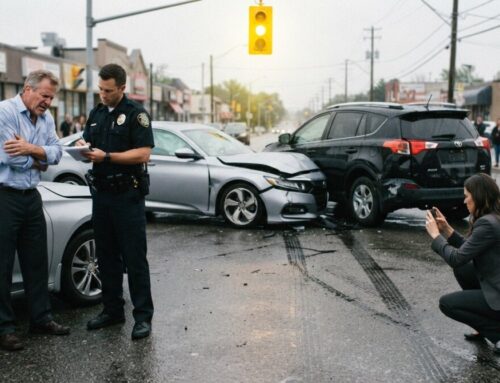
- Call 911 and request police and medical assistance. The police report will document the officer’s observations, including any signs of distraction you mention.
- Do not discuss fault with the other driver. Simply exchange contact and insurance information, and politely decline to comment on what happened.
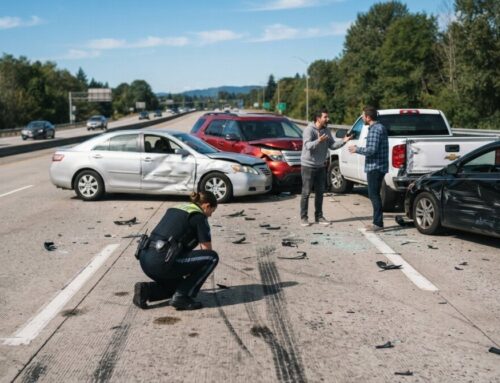
- Take photos of the scene, including vehicle damage, skid marks, traffic signals, and the other driver’s phone if it is visible in their hand or lap.
- Ask witnesses for their contact information and ask whether they saw the other driver using a phone or appearing distracted before the crash.
- Seek medical attention even if you feel fine. Some injuries, like whiplash or concussions, may not show symptoms for hours or days.
After you receive medical care, contact a personal injury attorney who handles distracted driving cases. Time is critical because evidence like phone records can be deleted, and witnesses may become harder to locate. An attorney can issue a spoliation letter to the other driver’s cell phone carrier, preserving important data before it is overwritten. Also, be mindful of your state’s statute of limitations, which typically ranges from one to three years. Missing this deadline can bar your claim entirely, so do not delay.
Proving Negligence in a Distracted Driving Case
To win your distracted driving accident claim, you must prove four legal elements: duty, breach, causation, and damages. The duty part is easy: every driver owes a duty to operate their vehicle with reasonable care. Breach occurs when the driver engages in a distracting activity that violates traffic laws, such as texting while driving. Causation means you must show that the distraction directly caused the crash, not just that the driver was distracted at some point during the trip. Finally, damages refer to your actual losses, including medical expenses, lost income, and pain and suffering.
Evidence is the backbone of proving breach and causation. Phone records are the gold standard because they show exactly when a text was sent or received. However, obtaining them requires legal process. Your attorney can subpoena the at-fault driver’s phone provider, but this often takes weeks. In the meantime, your lawyer may use other evidence, such as the driver’s social media posts, dashcam footage from your vehicle, or traffic camera videos. If the driver was eating or applying makeup, witnesses or photos may capture that behavior.
Expert testimony can also be persuasive. Accident reconstruction specialists can analyze the crash dynamics to determine if the driver applied brakes at all, which is common when distracted. A human factors expert can testify about how long it takes a driver to react to a sudden stop when looking at a phone. These experts add credibility to your claim and help juries understand why the driver’s actions were negligent. In our guide on accident claim documents, we explain how to organize this evidence effectively for your attorney and insurer.
Dealing with Insurance Companies
Insurance adjusters are trained to minimize payouts. They may offer a quick settlement that seems generous but barely covers your initial medical bills. Resist the urge to accept any offer before consulting an attorney. Once you sign a release, you cannot reopen your distracted driving accident claim for more money, even if your injuries worsen. This is why reopening an accident claim after settlement is nearly impossible, so you must ensure the first settlement is fair.
The insurance company will likely request a recorded statement or access to your medical records. Politely decline to provide a recorded statement without your lawyer present. Anything you say can be twisted to suggest you were partially at fault. Instead, let your attorney handle all communication. They will present a demand package that includes medical bills, wage loss documentation, and a narrative of how the crash has affected your daily life.
Negotiation is an art. Your attorney will start with a demand that is higher than the expected settlement, leaving room for compromise. The adjuster may counter with a low figure, citing comparative negligence or pre-existing conditions. Your lawyer will rebut with evidence that the other driver was 100 percent at fault and that your injuries are directly linked to the crash. If negotiations stall, your case may proceed to mediation or a lawsuit. Most claims settle before trial, but having a litigation-ready case often pressures insurers to make a better offer.
Calculating Damages in a Distracted Driving Claim
The value of your distracted driving accident claim depends on the severity of your injuries and the impact on your quality of life. Economic damages are straightforward: medical bills, future medical care, lost wages, and reduced earning capacity. Non-economic damages, such as pain and suffering, emotional distress, and loss of enjoyment of life, are more subjective but equally important. In cases involving egregious distraction, such as watching a video while driving, punitive damages may be available to punish the driver and deter similar conduct.
To calculate a fair range, attorneys often use a multiplier method, multiplying your economic damages by a number between 1.5 and 5, depending on the severity of injuries. For example, a minor soft tissue injury might warrant a 1.5 multiplier, while a traumatic brain injury could justify a 5 multiplier. Another approach is the per diem method, which assigns a daily amount for pain and suffering and multiplies it by the expected duration of recovery. Your lawyer will choose the method that best supports your case.
Do not forget about long-term consequences. If your injury requires multiple surgeries, years of physical therapy, or permanent accommodation at home, these costs must be included. An experienced attorney will consult with life care planners and economists to project future expenses. This is particularly important in distracted driving cases where injuries are often severe. If the at-fault driver works for a company or was using a company vehicle, you may also have a claim against their employer under vicarious liability, which increases the available insurance coverage.
The Role of a Specialized Attorney
Distracted driving cases are complex and require a lawyer who understands the nuances of electronic evidence and state-specific laws. A general practitioner may miss critical deadlines or fail to subpoena phone records in time. That is why choosing a specialized attorney, like those connected through CarInjuryAccident, is essential. These attorneys have a track record of handling distracted driving cases and know how to counter insurance tactics.
Your initial consultation is typically free, and most personal injury lawyers work on a contingency fee basis. This means you pay nothing upfront, and the lawyer only gets paid if you win. This arrangement aligns your attorney’s interests with yours: they are motivated to secure the maximum compensation for your distracted driving accident claim. Moreover, having legal representation increases your chances of a favorable outcome, as studies show that represented claimants receive higher settlements than those who go it alone.
When you meet with an attorney, bring all your evidence, including the police report, medical records, and photos. Be honest about your injuries and any pre-existing conditions. The attorney will evaluate the strength of your case and advise you on the best course of action. If you decide to proceed, they will handle the legal process from start to finish, allowing you to focus on recovery. In cases involving rideshare vehicles, such as Uber or Lyft, you need a lawyer who understands the unique insurance layers, as explained in our article on navigating an Uber accident claim.
Frequently Asked Questions
How long do I have to file a distracted driving claim?
The statute of limitations varies by state, typically ranging from one to three years from the date of the accident. In some states, the deadline may be shorter if the defendant is a government entity. Consult an attorney immediately to ensure you do not miss the filing deadline.
Can I still win if the other driver denies being distracted?
Yes. Your attorney can subpoena phone records, review traffic camera footage, and interview witnesses to prove distraction. Even without an admission, circumstantial evidence can establish that the driver was not paying attention at the time of the crash.
What if I was partially at fault for the accident?
Many states use comparative negligence, which means your compensation is reduced by your percentage of fault. If you were 20 percent at fault, you would receive 80 percent of your damages. However, if your fault exceeds a certain threshold (usually 50 percent), you may recover nothing in some states.
How much is my distracted driving claim worth?
There is no fixed value. It depends on your medical expenses, lost income, pain and suffering, and the severity of your injuries. An experienced attorney can estimate a range based on similar cases in your jurisdiction. However, be wary of online calculators, as they often oversimplify complex factors.
Final Thoughts on Pursuing Your Claim
A distracted driving accident changes your life in an instant, but you do not have to face the legal aftermath alone. Your focus should be on healing, while a skilled attorney fights for the compensation you deserve. Remember that insurance companies have powerful legal teams; you need an equally strong advocate on your side. By following the steps outlined here and seeking professional guidance, you can maximize your recovery and hold the negligent driver accountable.
If you or a loved one has been injured in a distracted driving accident, do not wait. Contact CarInjuryAccident today to connect with a reputable attorney who will evaluate your case for free and explain your options. With the right legal partner, you can secure the financial support needed for your recovery and move forward with confidence.