
Car Accident Claim When the Other Driver Is Uninsured and Flees
Hit by an uninsured driver who fled? Learn how to pursue a car accident claim when the other driver is uninsured and flees. Call (855)-545-2917 for help.

By Arden Flux
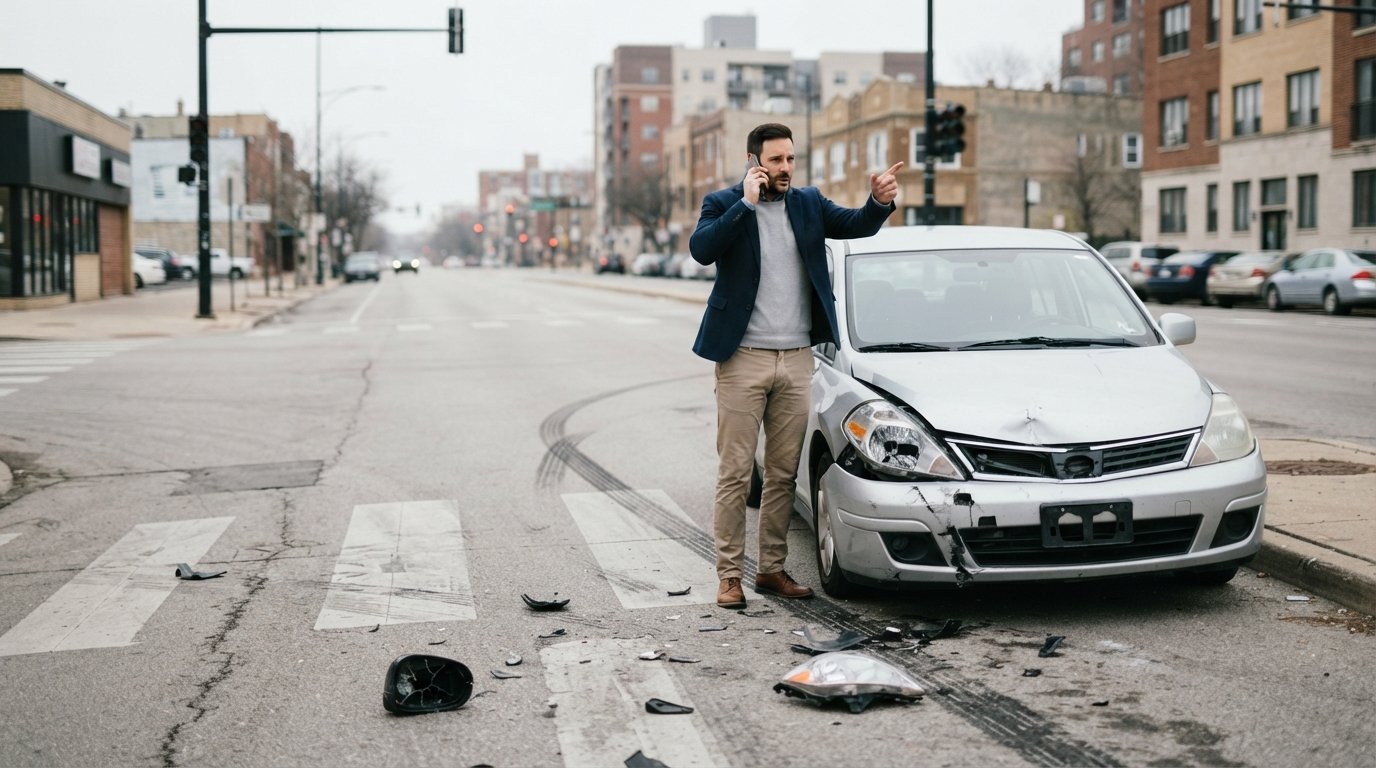
The screech of tires, the crunch of metal, and then the hollow silence of an empty street. When a driver causes a crash and speeds away, the shock is often compounded by a sickening realization: there may be no one to hold accountable. If you later learn that the fleeing driver was also uninsured, the path to recovery can feel impossible. However, the law provides specific mechanisms to protect you in exactly this scenario. Understanding how to pursue a car accident claim when the other driver is uninsured and flees is critical to avoiding a financial catastrophe. This guide walks you through the coverage options, evidentiary steps, and legal nuances that can mean the difference between a paid claim and a pile of medical bills.
Uninsured Motorist Coverage and Hit-and-Run Provisions
The cornerstone of your financial recovery after a hit-and-run by an uninsured driver is your own uninsured motorist (UM) coverage. Many states require insurers to offer UM coverage, and some mandate underinsured motorist (UIM) coverage as well. UM coverage is designed to step into the shoes of the at-fault driver when they have no insurance or cannot be identified. When the driver flees, the claim typically falls under the UM portion of your policy, often specifically labeled as uninsured motorist bodily injury (UMBI) and uninsured motorist property damage (UMPD).
However, not all UM policies are created equal. Some policies include hit-and-run provisions that explicitly cover accidents where the at-fault driver cannot be identified. Others may require proof of physical contact between your vehicle and the fleeing vehicle. This physical contact requirement can be a significant hurdle if the other driver sideswiped you and fled without leaving a mark, or if you swerved to avoid them and hit a guardrail. In such cases, you may need to rely on witness statements, surveillance footage, or circumstantial evidence to prove that the phantom vehicle caused the crash.
If you have UM coverage, you can file a claim directly with your own insurer. The insurer will investigate the accident as if the uninsured driver were a third party. This means they may dispute liability, challenge the extent of your injuries, or argue that the accident was your fault. Having an attorney who understands the nuances of UM claims can help you navigate these disputes and maximize your recovery. For a broader overview of the claims process, see our guide on car accident legal claim steps to protect your rights.
Reporting Requirements to Police and Insurer Within Deadlines
Time is of the essence in any car accident claim, but it is especially critical when the other driver flees. Most states require you to report a hit-and-run accident to the police immediately or within a short window, such as 24 to 72 hours. Failing to do so can jeopardize your ability to recover from your UM coverage, as insurers may argue that the delay prevented them from investigating the hit-and-run driver. Even if the police cannot locate the fleeing driver, having an official police report is powerful evidence that the accident occurred and that you were not at fault.
In addition to reporting to the police, you must notify your own insurance company promptly. Most policies require "prompt" notice, and delays can give the insurer grounds to deny coverage. When you call your insurer, be clear that you are filing a claim under your uninsured motorist coverage due to a hit-and-run. Provide as much detail as possible about the fleeing vehicle (make, model, color, license plate partial) and the direction of travel. Keep a record of the claim number and the name of the adjuster.
Be aware that some states have specific deadlines for hit-and-run claims. For example, you may need to file a formal statement with the state motor vehicle department within a certain number of days. An attorney can help you track these deadlines and ensure that all notices are timely filed. Missing a deadline can be fatal to your claim, so it is always better to err on the side of over-reporting.
Evidence from the Scene, Traffic Cameras, and Body Shop Records
When the other driver flees, you become the primary investigator of your own case. The evidence you gather in the immediate aftermath can make or break your claim. Start by documenting the scene thoroughly: take photos of your vehicle damage, the road conditions, any skid marks, and the surrounding area. If there are witnesses, get their names and contact information. Witness testimony is often crucial in hit-and-run cases because it can corroborate your version of events and provide details about the fleeing vehicle.
Traffic cameras are another valuable source of evidence. Many intersections and highways have surveillance cameras operated by the city or state. Private businesses may also have cameras that captured the accident. You or your attorney can send preservation letters to these entities to prevent them from deleting footage. Time is critical here, as many systems overwrite footage after a few days or weeks. Body shop records can also serve as evidence. If you took your car for repairs, the mechanic's assessment of the damage can support your claim that the accident occurred as you described.
In some cases, event data recorders (EDRs) in your vehicle can provide information about speed, braking, and impact. Modern cars often have these "black boxes," and the data can be downloaded by an expert. If the fleeing driver's vehicle is later found, its EDR could also be relevant. An attorney can help you obtain and preserve this electronic evidence.
Why Some UM Policies Require Proof of Physical Contact
The physical contact requirement in UM policies is a common source of frustration for hit-and-run victims. Insurers argue that without physical contact, there is a risk of fraudulent claims. However, many states have recognized the unfairness of this rule and have either invalidated it or created exceptions. For example, some states allow recovery if the hit-and-run driver's conduct forced you to swerve and crash, even without direct contact. Others require corroborating evidence, such as an independent witness, to support your claim.
If your policy includes a physical contact requirement and there was no contact, you may need to challenge the insurer's denial. This is where legal representation becomes invaluable. An attorney can argue that the policy provision is ambiguous or violates state law, or that circumstantial evidence proves the fleeing driver caused the accident. In some cases, you may be able to recover under your collision coverage or medical payments coverage, even if UM coverage is denied.
It is also important to review your policy language carefully. Some policies define "uninsured motor vehicle" to include hit-and-run vehicles, regardless of physical contact. Others may have separate hit-and-run coverage. Understanding the exact terms of your policy is the first step in determining your rights.
Potential Claims Against a Business or Employer That Owns the Vehicle
Even if the driver flees, you may still have a claim against a business or employer if the vehicle involved in the hit-and-run was owned by a company. For example, if the fleeing vehicle had a commercial logo or appeared to be a delivery truck, you may be able to identify the owner through surveillance footage or witness accounts. Under the legal doctrine of respondeat superior, an employer can be held liable for the negligent acts of an employee if the employee was acting within the scope of their employment at the time of the accident.
To pursue this type of claim, you will need to identify the vehicle and its owner. This may require subpoenaing records from the state motor vehicle department, reviewing surveillance footage from nearby businesses, or hiring an investigator. If the vehicle was a rental car, the rental company may have records of who was driving. If it was a company car, the employer may have insurance that covers the accident. These claims can be complex, but they often provide a deeper pocket than a personal auto policy.
An experienced attorney can help you investigate these possibilities and determine whether a business or employer can be held liable. This is especially important in hit-and-run cases where the driver's own insurance is nonexistent or insufficient.
Practical Steps for Building Your Claim
If you find yourself the victim of a hit-and-run by an uninsured driver, a systematic approach can help you protect your rights. Here are the key steps to follow:
- Call the police immediately. Report the accident and provide as much detail as you can about the fleeing vehicle. Obtain a copy of the police report.
- Document the scene. Take photos of your car, the road, and any injuries. Collect contact information from witnesses.
- Notify your insurer. File a claim under your uninsured motorist coverage. Be honest and thorough.
- Seek medical attention. Even if you feel fine, some injuries take time to manifest. A medical record links your injuries to the accident.
- Consult an attorney. A lawyer can help you navigate the complexities of UM claims, gather evidence, and negotiate with insurers.
Following these steps increases your chances of a successful recovery. It also demonstrates to the insurer that you took the accident seriously and acted responsibly.
How an Attorney Can Help
Dealing with a hit-and-run and an uninsured driver can be overwhelming. An attorney can level the playing field by handling communications with insurers, investigating the accident, and advocating for your rights. Attorneys who specialize in car accident claims understand the tactics insurers use to minimize payouts and can counter them effectively. They can also help you identify all potential sources of recovery, including UM coverage, collision coverage, and claims against third parties.
If you are unsure where to start, consider using a legal referral platform like LawyerOffer to connect with qualified attorneys in your area. Such platforms can provide educational resources and help you find legal representation that fits your needs. For residents of the United States, LawyerOffer offers a network of legal professionals who can assist with personal injury and insurance claims. CarInjuryAccident.com also provides a patented attorney selection process that identifies top-rated legal professionals, along with tools for quick and customized quotes. Requesting a free case evaluation is a no-obligation way to understand your options.
Common Pitfalls to Avoid
Even well-intentioned accident victims can make mistakes that harm their claims. One common pitfall is giving a recorded statement to the insurer without legal advice. Insurers may use your words against you later. Another is delaying medical treatment, which can allow the insurer to argue that your injuries were not caused by the accident. Failing to report the accident to the police or your insurer within the required deadlines can also be fatal to your claim.
Additionally, be wary of accepting a quick settlement offer before you fully understand the extent of your injuries. Once you sign a release, you cannot go back for more money, even if your injuries turn out to be worse than initially thought. An attorney can help you evaluate whether a settlement offer is fair and whether you should wait for a full medical prognosis.
Understanding Policy Limits and Underinsured Motorist Coverage
If the fleeing driver is eventually identified but has insufficient insurance, your underinsured motorist (UIM) coverage may apply. UIM coverage kicks in when the at-fault driver's liability limits are lower than your damages. In hit-and-run cases, the driver is often uninsured entirely, so UM coverage is the primary source. However, if the driver is identified and has some insurance, UIM can supplement your recovery.
It is important to know your policy limits. UM and UIM coverage limits are typically stated on your declarations page. If your damages exceed the at-fault driver's policy limits and your UIM limits, you may have to bear some of the loss yourself. Reviewing your policy with an attorney can help you understand your exposure and plan accordingly.
Statutes of Limitations for Hit-and-Run Claims
Every state has a statute of limitations that sets a deadline for filing a lawsuit. For personal injury claims, this deadline is typically two to three years from the date of the accident, but it can be shorter for claims against government entities. If you miss the deadline, you lose your right to sue. Even if you are negotiating with an insurer, it is important to keep the statute of limitations in mind. An attorney can ensure that your lawsuit is filed on time if negotiations fail.
In hit-and-run cases, the statute of limitations may be tolled (paused) while the driver remains unidentified. However, this is not a reason to delay. The sooner you act, the better your chances of preserving evidence and building a strong case.
Final Thoughts on Protecting Your Rights
A car accident claim when the other driver is uninsured and flees is one of the most challenging scenarios in personal injury law. It requires a thorough understanding of your insurance policy, prompt reporting, and aggressive investigation. By taking the right steps and seeking legal guidance, you can pursue the compensation you deserve for your medical bills, lost wages, and pain and suffering. Do not let a hit-and-run driver's actions leave you financially devastated. Act quickly, document everything, and consult with a qualified attorney to explore all avenues of recovery.