
DUI Charge Dropped: Faulty Breathalyzer Calibration
A DUI charge dropped because of faulty breathalyzer calibration is possible with the right defense. Call (855)-545-2917 for a free case review.

By Theron Skye
You are pulled over, asked to blow into a breathalyzer, and the result shows a blood alcohol concentration above the legal limit. The officer hands you a citation, and your mind races with questions. But what if that breath test result was wrong because the machine itself was not properly calibrated? A DUI charge dropped because of faulty breathalyzer calibration is not a fantasy; it is a real legal outcome that happens when defense attorneys uncover maintenance failures, operator errors, or device malfunctions. Understanding how breath testing works, how it can fail, and how to challenge it is essential for anyone facing a DUI charge.
How Breathalyzer Calibration and Maintenance Work
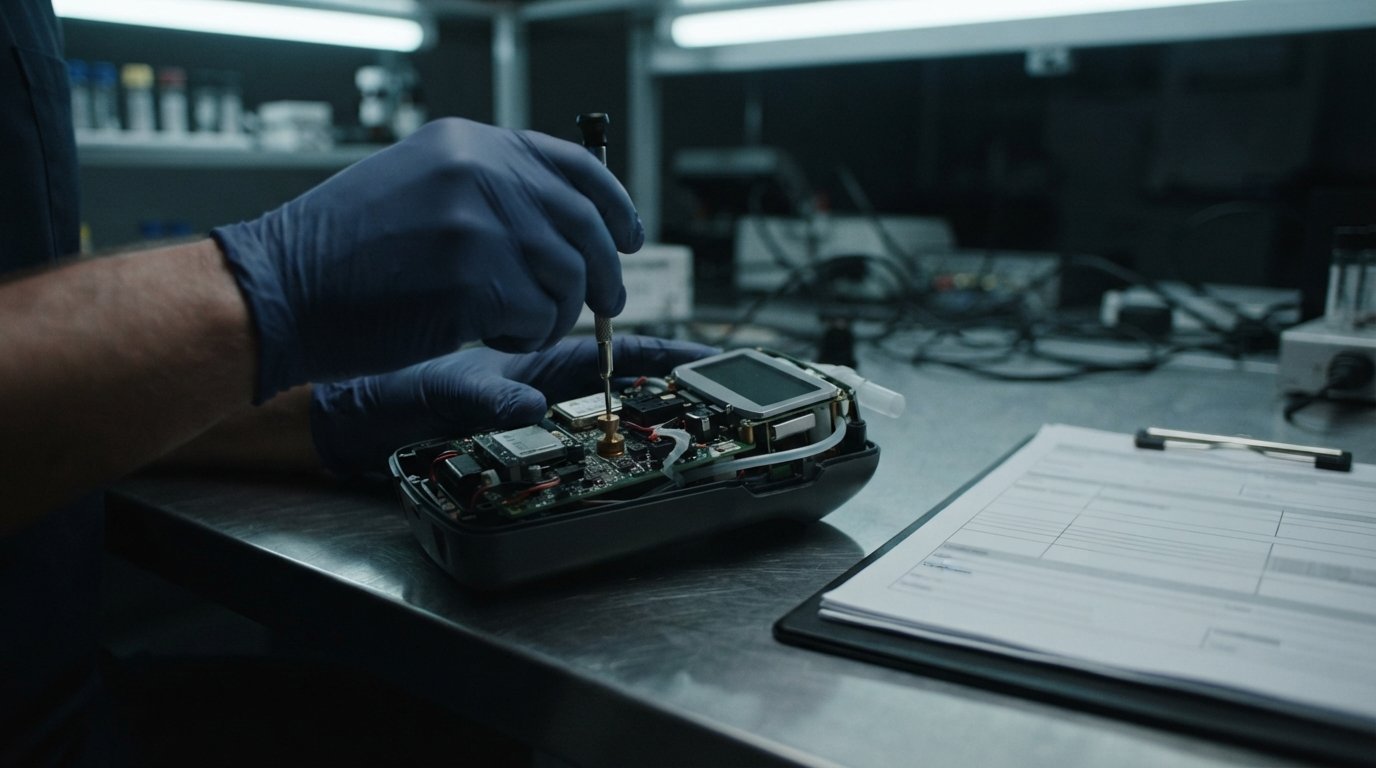
Breath testing devices, whether older fuel-cell models or newer infrared devices, must be calibrated and maintained according to strict manufacturer and state guidelines. Calibration ensures the device accurately converts the amount of alcohol in your breath sample into an estimated blood alcohol concentration (BAC). Without regular calibration, the machine can drift and produce inflated readings, leading to a false DUI charge. Maintenance involves more than calibration: it includes checking sensors, replacing components, and verifying that the device is free from environmental interference.
Every calibration and maintenance event should be documented. These records typically include the date, time, technician name, test results before and after adjustment, and any repairs. In many jurisdictions, law enforcement agencies are required to keep these logs for a certain period and make them available to defendants through the discovery process. If the logs are missing, incomplete, or show that calibration was overdue, that is a red flag that can support a motion to suppress the breath test result or even dismiss the charge.
Operator certification is another critical piece. The officer administering the test must be trained and certified on that specific device. Certification records should also be subject to discovery. If the operator was not properly certified or the certification had lapsed, the test result may be challenged. Together, calibration logs and operator records form the foundation of any breath test challenge.
Discovery Requests: Uncovering Maintenance and Certification Records
Discovery is the formal process by which your attorney obtains evidence from the prosecution. In a DUI case, discovery should include requests for the breath machine's maintenance logs, calibration records, operator certification, and the device's software version and error logs. Many states have specific rules requiring the prosecution to disclose this information, but it often takes a proactive and detailed request to get it.
Your attorney may also request the machine's source code or internal diagnostic data, although this is more common in cases involving newer devices with complex software. If the prosecution refuses to provide these records, your attorney can file a motion to compel. Failure to preserve or produce critical records can lead to sanctions, including exclusion of the breath test result. In some cases, the entire DUI charge may be dropped because the prosecution cannot prove the reliability of the test without the maintenance records.
It is important to act quickly. Many agencies have retention policies that allow them to destroy maintenance logs after a certain period, such as one or two years. Your attorney should send a preservation letter to the agency as soon as possible to prevent destruction of evidence. For a deeper look at what happens to your arrest record after a dismissal, see our guide on DUI charges dismissed and your arrest record.
Common Sources of Breathalyzer Error
Breathalyzer results can be wrong for many reasons. Some are due to machine malfunction, while others stem from environmental or physiological factors. Understanding these error sources helps you and your attorney build a strong defense. Here are some of the most common:
- Mouth alcohol: Residual alcohol in the mouth from recent drinking, mouthwash, or even certain foods can contaminate the breath sample and produce a falsely high reading. The machine cannot distinguish between alcohol in the breath from the lungs and alcohol in the mouth.
- Radio interference: Older breathalyzer models, especially those using fuel-cell technology, can be affected by radio frequency interference from police radios, cell phones, or nearby towers. This interference can cause erratic readings or device malfunction.
- Calibration drift: Even with regular calibration, a machine can drift over time. If the device is not calibrated frequently enough or if the calibration itself was performed incorrectly, the readings can be systematically high.
- Operator error: Improper administration of the test, such as not observing the required deprivation period (typically 15 to 20 minutes) before the test, can lead to inaccurate results. The officer must ensure the subject does not belch, vomit, or consume anything during that period.
- Software bugs: Newer breathalyzers rely on software to calculate BAC. Bugs or outdated software can cause incorrect results. Discovery of software version and error logs can reveal such issues.
Each of these error sources can be explored through cross-examination of the arresting officer and the breath test operator, as well as through expert testimony. A skilled DUI defense attorney will know which issues are most likely to resonate with the judge or jury in your jurisdiction.
Challenging the Breath Result in a Refusal Case
If you refused to take a breath test, you may face a separate charge for refusal, often resulting in an automatic license suspension. However, if you did submit to a breath test and the result is challenged due to faulty calibration, the prosecution may still try to use the refusal against you in some way. The interplay between a challenged breath result and a refusal case can be complex.
In many states, if the breath test result is suppressed because of calibration issues, the prosecution cannot use it as evidence of intoxication. However, they may still argue that your refusal to take a different test (such as a blood test) shows consciousness of guilt. Your attorney can counter this by arguing that the refusal was based on a reasonable belief that the breath machine was unreliable, especially if there is a documented history of calibration problems with that device.
It is also important to note that refusing a breath test does not automatically prevent the prosecution from obtaining a blood test through a warrant. If the breath result is challenged, the prosecution may seek a blood draw to bolster their case. This leads to the next consideration: the tradeoffs of blood testing versus breath testing.
Blood Test vs. Breath Test: Tradeoffs and Considerations
When a breath test result is called into question, the prosecution may request a blood test instead. Blood tests are generally considered more accurate because they directly measure the alcohol concentration in the blood, rather than estimating it from breath. However, blood tests are not infallible. They require proper collection, storage, and analysis by a certified laboratory. Issues such as improper venipuncture, sample contamination, or lab errors can also lead to challenges.
From the defense perspective, a blood test may be preferable in some cases because it provides a more precise measurement and a sample that can be retested by an independent lab. However, a blood test also eliminates some of the common breath test defenses, such as mouth alcohol or radio interference. The decision to request a blood test or to challenge a breath test should be made in consultation with your attorney, weighing the specific facts of your case.
If you are facing a DUI charge and the breath test result is suspect, it is crucial to have an experienced attorney review the evidence. A charge dropped because of faulty breathalyzer calibration can be achieved when the defense effectively challenges the reliability of the test. For those seeking legal representation, connecting with a qualified DUI attorney is the first step. Platforms like GoFreeLegal can help you find and compare attorneys in your area at no cost, making it easier to get the legal help you need.
Steps to Take If You Suspect a Faulty Breathalyzer
If you believe your DUI charge is based on a faulty breathalyzer, you should take immediate steps to protect your rights. The following numbered list outlines a practical approach:
- Consult an attorney immediately: Time is of the essence. An attorney can advise you on how to proceed and begin the discovery process.
- Request preservation of evidence: Your attorney should send a letter to the arresting agency and the prosecution demanding that all breath machine maintenance logs, calibration records, and operator certification be preserved.
- Obtain your own copy of the records: Through discovery, your attorney can obtain the records and have them reviewed by an expert.
- Challenge the calibration and maintenance history: If the records show that calibration was overdue or improperly performed, your attorney can file a motion to suppress the breath test result.
- Consider expert testimony: An expert witness can explain how calibration errors or other issues could have affected your specific test result.
Following these steps can significantly increase your chances of having the charge reduced or dismissed. Remember that every case is unique, and the outcome depends on the specific facts and the laws in your state.
The Role of Legal Representation in Breathalyzer Challenges
Successfully challenging a breathalyzer result requires a deep understanding of the science, the law, and the local procedures. A skilled DUI defense attorney will know how to request the right records, interpret them, and present a compelling argument to the court. They can also negotiate with the prosecution, sometimes leading to a plea bargain that reduces the charge or minimizes penalties.
If you are unsure where to start, consider reaching out to a legal resource that can connect you with experienced DUI attorneys. CarInjuryAccident.com offers a free, no-obligation case evaluation and can introduce you to participating attorneys in your area. Their patented attorney selection process helps identify top-rated legal professionals who can assess your case and advise you on the best course of action.
In conclusion, a DUI charge dropped because of faulty breathalyzer calibration is a real possibility when the defense thoroughly investigates the machine's maintenance history and challenges its reliability. By understanding how breath testing works, what can go wrong, and how to obtain the necessary records, you can build a strong defense. If you are facing a DUI charge, do not delay: seek legal guidance today to protect your rights and your future.